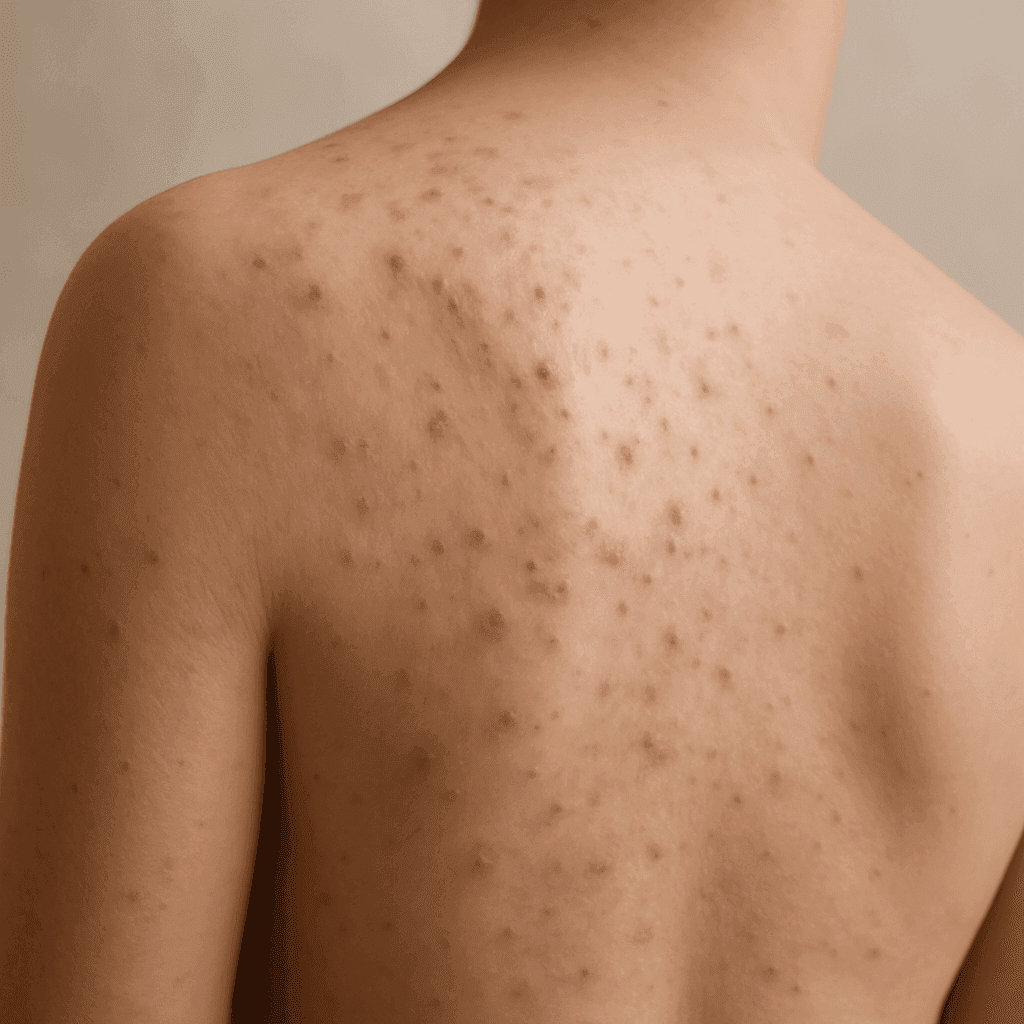
How Stress Affects Skin Health and Ways to Reduce It
Explore stress's impact on skin health and reduction techniques.
Introduction
Stress is an inevitable part of life, influencing not only our mental and emotional well-being but also our physical health. Among the various ways stress can manifest physically, its impact on skin health is significant. Understanding the connection between stress and skin can help in managing both effectively. This article explores how stress affects skin health and offers practical ways to reduce its impact.
How Stress Affects Skin Health
When the body experiences stress, it triggers a series of physiological responses. One of the primary hormones released during stress is cortisol, which can have several effects on skin health. Elevated cortisol levels can lead to increased oil production, potentially causing acne and other conditions.
The Role of Cortisol
Cortisol impacts the skin by disrupting its barrier function, leading to dryness and reduced hydration. This disruption makes the skin more susceptible to irritants and pollutants, exacerbating existing conditions and creating new ones.
Skin Barrier Function
A healthy skin barrier is essential for maintaining moisture and protecting against external damage. Stress can weaken this barrier, leading to increased dryness and sensitivity. It's crucial to support the skin with proper hydration and care, especially during stressful periods.
Common Stress-Induced Skin Conditions
Stress can exacerbate various skin conditions, making them more challenging to manage.
Acne and Stress: A Vicious Cycle
Stress can trigger or worsen acne by increasing oil production and inflammation. This creates a cycle where stress leads to breakouts, which in turn can cause more stress.
Eczema and Its Link to Stress
Eczema, or atopic dermatitis, is often linked to stress. Flare-ups can occur when stress weakens the skin's barrier function, leading to increased itchiness and irritation.
Psoriasis Flare-Ups Due to Stress
Psoriasis is another condition that can be significantly affected by stress. Stress can trigger flare-ups, leading to more frequent and severe symptoms.
Stress and Rosacea Symptoms
Rosacea sufferers may find that stress exacerbates redness and irritation. Managing stress is an important part of controlling rosacea symptoms.
The Science Behind Stress and Skin Aging
Stress not only affects skin conditions but also accelerates the aging process.
Accelerated Aging Process
Chronic stress can lead to premature aging by increasing the rate at which cells break down. This can result in more pronounced wrinkles and loss of skin elasticity.
Oxidative Stress and Skin Aging
Oxidative stress, a byproduct of chronic stress, damages skin cells and accelerates aging. Antioxidants in skincare and diet can help combat these effects.
Long-Term Effects on Skin Elasticity
Prolonged stress can lead to a loss of collagen, which is vital for maintaining skin's firmness and elasticity. This makes stress management essential for maintaining youthful skin.
Effective Stress Management Techniques for Better Skin
Managing stress is crucial for both overall health and skin wellness.
Balanced Lifestyle Importance
A balanced lifestyle that includes regular exercise, adequate sleep, and a healthy diet can significantly reduce stress levels and improve skin health.
Mindfulness and Meditation
Practicing mindfulness and meditation can lower stress hormones and improve skin conditions. These practices help in calming the mind and reducing physiological stress responses.
Exercise Benefits
Regular physical activity helps reduce stress by releasing endorphins, which improve mood and reduce cortisol levels.
Nutrition's Role
A diet rich in fruits, vegetables, and lean proteins can support skin health. Foods high in antioxidants help combat oxidative stress and its effects on the skin.
Practical Tips for Reducing Stress and Improving Skin Health
Implementing daily stress-reducing practices can have a positive impact on skin health.
Establishing a Skincare Routine
A consistent skincare routine can help soothe stressed skin. Products containing calming ingredients like chamomile and aloe vera can reduce irritation.
Relaxation Techniques
Practices such as yoga and deep breathing exercises can help manage stress and improve skin by promoting relaxation and reducing cortisol levels.
Sleep Hygiene
Adequate sleep is vital for stress management and skin health. Establishing a regular sleep schedule and creating a restful environment can improve sleep quality.
Creating a Stress-Free Environment
Minimizing stressors in your environment, such as excessive noise and clutter, can help reduce stress levels. Personalizing your space with calming scents and visuals can also promote relaxation.
Conclusion
The connection between stress and skin health is undeniable. By understanding how stress affects the skin and implementing stress-reducing practices, you can enhance your skin's health and overall well-being. Taking proactive steps to manage stress can lead to healthier, more resilient skin over time. Remember, while these strategies can help, consulting with a dermatologist is essential for personalized advice and treatment.
FAQ
How quickly can stress affect my skin?
Stress can impact skin health within days, causing breakouts and irritation.
Can stress cause permanent skin damage?
While stress can exacerbate conditions, early intervention can prevent long-term damage.
What are the best skincare products for stress-related skin issues?
Look for products with calming ingredients like chamomile, aloe vera, and niacinamide.
Is it possible to reverse skin damage caused by stress?
While some effects may be reversible, ongoing stress management is crucial for improvement.
Are there specific foods that help reduce stress for better skin health?
Foods rich in antioxidants, such as berries and nuts, can help reduce stress-related skin damage.
How does sleep affect stress levels and skin health?
Adequate sleep reduces stress and allows the skin to repair and rejuvenate.