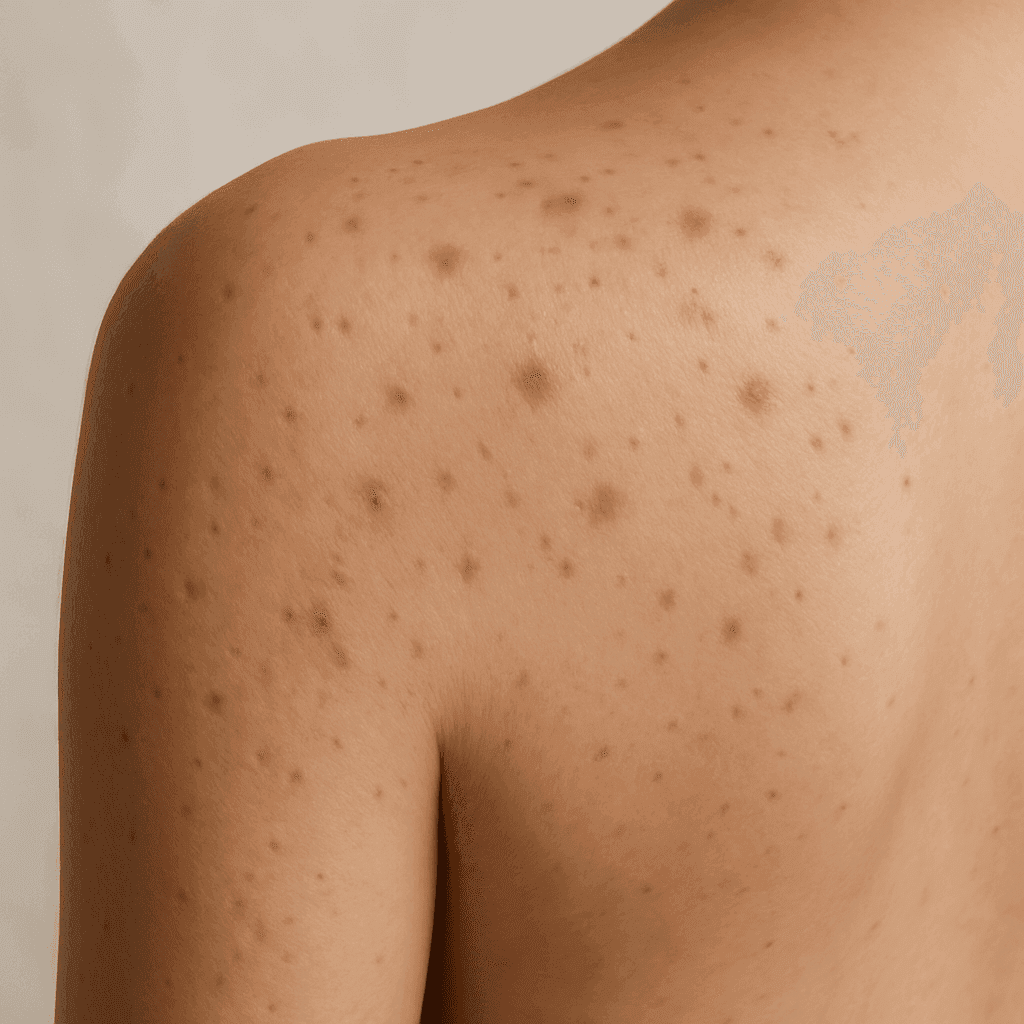
How to Prevent Post-Acne Hyperpigmentation
Effective methods to prevent acne-related dark spots.
Introduction
Post-acne hyperpigmentation is a common skin concern that occurs when acne lesions heal and leave behind dark spots or patches on the skin. This condition, known as post-inflammatory hyperpigmentation (PIH), can be distressing and affect one's self-esteem. Addressing hyperpigmentation early can prevent it from becoming a long-term issue and help maintain a clearer complexion.
Understanding Post-Acne Hyperpigmentation
Post-acne hyperpigmentation is caused by an overproduction of melanin, the pigment responsible for skin color, during the healing process of acne. This can result in dark spots that may persist for weeks or even months, depending on the severity of the acne and the individual's skin type. Factors contributing to hyperpigmentation include inflammation, sun exposure, and improper handling of acne lesions, such as picking or squeezing pimples.
Prevention Strategies
Preventing post-acne hyperpigmentation starts with early intervention and a consistent skincare routine. Cleansing and Moisturizing: Use a gentle cleanser to remove dirt and excess oil, followed by a non-comedogenic moisturizer to keep the skin hydrated without clogging pores. Exfoliation: Regular exfoliation can help remove dead skin cells and promote cell turnover, reducing the appearance of dark spots.
Sun Protection
Sun exposure can worsen hyperpigmentation, making sun protection a crucial part of prevention. Choose a broad-spectrum sunscreen with an SPF of at least 30, suitable for acne-prone skin, and apply it daily, even on cloudy days. Reapply every two hours when outdoors to ensure continuous protection.
Treatments for Post-Acne Hyperpigmentation
There are various treatment options available for addressing post-acne hyperpigmentation. Topical Treatments: Over-the-counter products containing ingredients like hydroquinone, kojic acid, or azelaic acid can lighten dark spots. Prescription treatments, such as retinoids, may also be recommended by a dermatologist for more severe cases.
Professional Treatments
Professional treatments can offer more intensive solutions. Chemical Peels: These involve applying a chemical solution to remove the top layer of skin, promoting new skin growth. Laser Therapy: This targets melanin in the skin, breaking down dark spots. Microneedling: This procedure stimulates collagen production and can improve skin texture and tone.
Natural Remedies and Home Care
For those seeking alternative options, several natural remedies can help manage hyperpigmentation. Ingredients like aloe vera, turmeric, and green tea have anti-inflammatory properties that may aid in reducing dark spots. Additionally, maintaining a balanced diet rich in antioxidants and staying hydrated can support skin health and improve its appearance.
The Role of Hydration and Nutrition
Adequate hydration helps maintain skin elasticity and can assist in the natural healing process. Consuming foods high in vitamins C and E, such as citrus fruits and nuts, can support skin repair and protect against further damage.
Choosing the Right Products
When selecting skincare products to combat hyperpigmentation, look for key ingredients like Vitamin C, which brightens the skin and reduces dark spots, Retinoids, which promote cell turnover, and Niacinamide, which can improve skin texture and tone. Avoid products with harsh chemicals or fragrances that may irritate the skin and worsen hyperpigmentation.
Dermatologist's Advice
If hyperpigmentation persists despite home treatments, it may be beneficial to consult a dermatologist. A professional can provide a customized treatment plan based on individual skin needs and may suggest advanced therapies for optimal results. When to Consult: Seek advice if dark spots are not improving or if you experience any adverse reactions to treatments.
FAQs
What is the best way to prevent post-acne hyperpigmentation?
Using sun protection, avoiding picking at acne, and maintaining a consistent skincare routine are key.
Can diet affect acne-related hyperpigmentation?
Yes, a balanced diet high in antioxidants can support skin health and reduce inflammation.
How long does it take for post-acne hyperpigmentation to fade?
It varies, but with proper care, improvement can often be seen in a few months.
Are there any side effects of using chemical peels for hyperpigmentation?
Chemical peels can cause temporary redness and sensitivity; it's important to follow post-treatment care instructions.
Can sunscreen really prevent hyperpigmentation?
Absolutely, sunscreen protects against UV rays that can worsen dark spots and hinder healing.
Is it possible to completely get rid of post-acne hyperpigmentation?
While it may not disappear completely, significant improvement can be achieved with appropriate treatments.