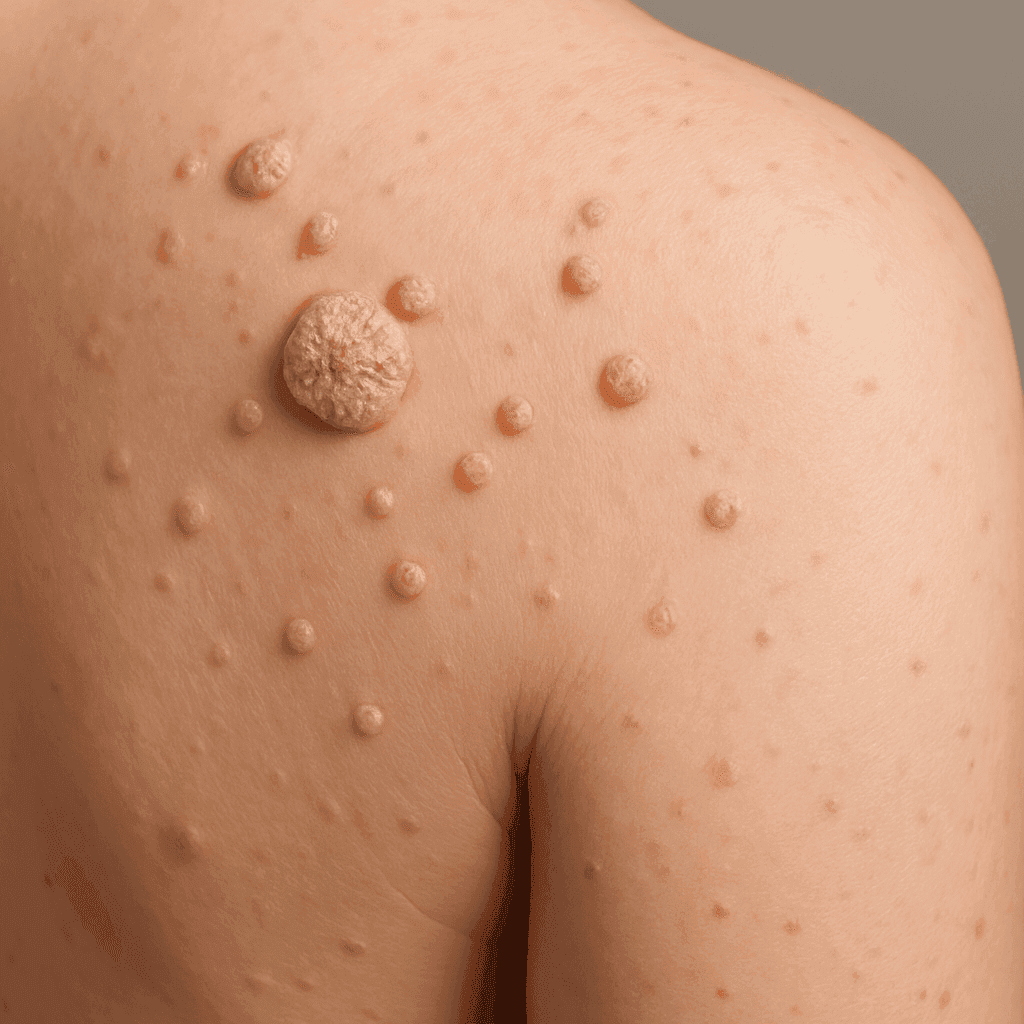
HPV on the Skin: Types of Warts and Treatment Methods
Overview of HPV skin warts and treatments.
Introduction
Human Papillomavirus (HPV) is a pervasive virus that affects the skin, resulting in various types of warts. These growths can appear anywhere on the body and vary in appearance depending on the specific HPV strains involved. Understanding the types of warts and treatment options is crucial for managing these skin manifestations effectively.
Knowing the nature of HPV and the skin changes it causes can help individuals seek appropriate treatments and take preventative measures. This article explores the different types of warts caused by HPV, as well as the various treatment methods available to address them.
What is HPV?
Human Papillomavirus (HPV) is a group of viruses that infect the skin and mucous membranes. Over 100 different types of HPV exist, with some types leading to the formation of warts on the skin. These warts are benign growths that can cause discomfort or cosmetic concerns, depending on their location and size.
HPV is commonly spread through direct skin-to-skin contact, making it a widespread issue. The virus can remain dormant in the skin, leading to the appearance of warts weeks or months after exposure. It is important to note that while some HPV types are associated with more serious conditions, such as cervical cancer, skin warts are typically benign and non-cancerous.
Types of Warts Caused by HPV
Common Warts
Common warts are rough, raised bumps that typically appear on the hands and fingers. They are usually painless but can become bothersome if they occur in sensitive areas or if they are frequently irritated. These warts are caused by specific strains of HPV that thrive in warm, moist environments.
Plantar Warts
Plantar warts develop on the soles of the feet and can cause significant discomfort due to their location. Unlike other warts, plantar warts grow inward and may develop a callus over the top, making treatment challenging. Walking or standing can exacerbate the pain associated with these warts.
Flat Warts
Flat warts are small, smooth growths that are often found on the face, neck, or legs. They tend to grow in clusters and are less raised than other wart types, which can make them less noticeable but equally concerning.
Genital Warts
Genital warts are a sexually transmitted form of HPV wart that affects the genital and anal areas. These warts vary in size and appearance and can be flat or raised. Due to their location and potential implications, medical intervention is crucial for managing genital warts.
Treatment Methods for HPV Warts
Over-the-Counter Treatments
Over-the-counter treatments for warts include products containing salicylic acid, which helps to peel away the layers of a wart. Wart removal patches are another option, offering a convenient method to apply medication directly to the wart.
Medical Treatments
For more persistent warts, medical treatments may be necessary. Cryotherapy involves freezing the wart with liquid nitrogen, leading to the wart falling off after a few treatments. Electrosurgery uses electric current to burn off warts, while laser treatment targets the wart tissue with focused light.
Home Remedies and Natural Treatments
Some individuals explore home remedies like apple cider vinegar and tea tree oil to treat warts, though their effectiveness varies. These methods are generally safe but should be used with caution to avoid skin irritation.
Preventative Measures and Vaccination
Preventing HPV warts involves maintaining good hygiene, using protective footwear in communal showers, and avoiding skin-to-skin contact with infected individuals. HPV vaccination is highly effective in preventing certain types of HPV, including those associated with genital warts.
When to See a Dermatologist
While many warts can be managed with over-the-counter treatments or home remedies, there are times when consulting a dermatologist is essential. Signs that require professional evaluation include warts that change in appearance, do not respond to treatment, or cause significant pain.
During a dermatological consultation, a specialist will assess the wart and may perform a biopsy if there is any concern about the nature of the growth. They will discuss the most appropriate treatment options, considering the wart's location, size, and patient preference.
FAQ
-
What are the most effective treatments for HPV warts?
- Treatments like cryotherapy, salicylic acid, and laser therapy are effective for many individuals. Consultation with a dermatologist can help tailor the best approach.
-
Can HPV warts go away on their own?
- While some warts may resolve without treatment, this can take months or even years. Treatment often speeds up this process.
-
Is it possible to prevent the spread of HPV warts?
- Yes, by avoiding direct contact with warts, maintaining good hygiene, and considering vaccination.
-
How can I tell if a wart is caused by HPV?
- A dermatologist can provide a definitive diagnosis. Common warts, plantar warts, and genital warts are typically caused by HPV.
-
Are there any risks associated with wart removal treatments?
- Some treatments, like cryotherapy and electrosurgery, may cause discomfort or scarring. Discuss risks with a healthcare provider.
-
How does the HPV vaccine help in preventing warts?
- The vaccine targets specific HPV strains responsible for certain types of warts and cancers, significantly reducing the risk of these conditions.