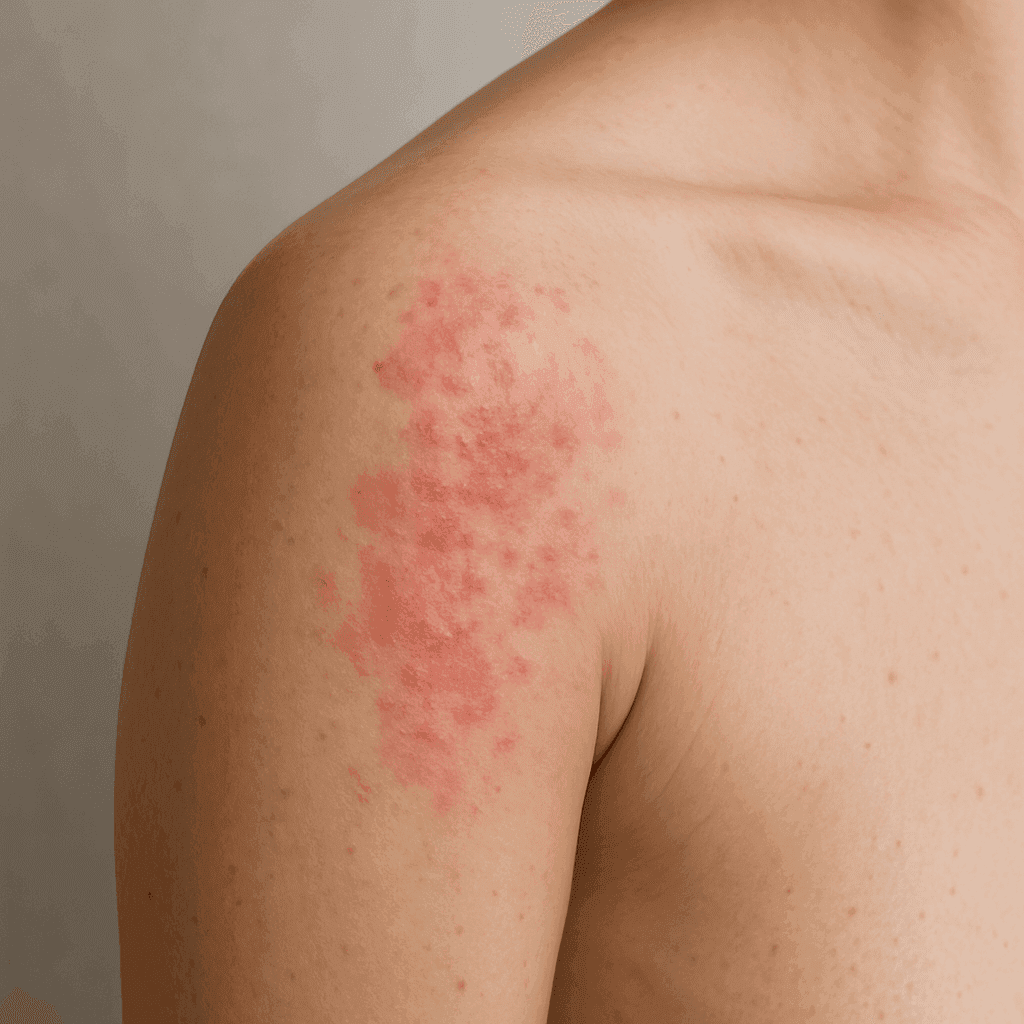
How to Identify Contact Allergies to Cosmetics
Identify cosmetic allergies safely.
Introduction
Understanding how to identify contact allergies to cosmetics is essential for maintaining healthy skin and avoiding adverse reactions. Allergies to cosmetics can cause discomfort and affect the quality of life if not managed properly. Early identification and management of these allergies are crucial in preventing long-term skin issues.
Contact allergies occur when the skin reacts to substances in products like makeup, lotions, or perfumes. These reactions can manifest as rashes, itching, or other skin irritations. Identifying the allergens and understanding the symptoms can help in effectively managing these allergies.
What Are Contact Allergies?
Contact allergies are immune responses triggered when the skin comes into contact with certain substances. The body recognizes these substances as threats, leading to an allergic reaction. This can occur with both natural and synthetic ingredients found in cosmetics.
How Allergies Develop
Allergies develop over time and can affect anyone. Repeated exposure to an allergen can increase sensitivity, leading to more severe reactions. This process is known as sensitization, where the immune system becomes more reactive to a particular substance.
Common Allergens in Cosmetics
Cosmetic products contain a variety of ingredients that can potentially trigger allergic reactions. Knowing these common allergens can help you avoid products that may cause irritation.
Fragrances
Many cosmetics use fragrances to enhance their appeal. However, these are often the culprits in allergic reactions. Fragrance-free products are generally safer options for those with sensitive skin.
Preservatives
Preservatives are used to extend the shelf life of products, but they can cause allergies. Ingredients like parabens and formaldehyde-releasing agents are common allergens.
Dyes and Colorants
Artificial dyes and colorants can also cause allergic reactions. Opting for products with natural colorants may reduce the risk of allergies.
Natural Ingredients
Even natural ingredients like essential oils or plant extracts can trigger allergies in some individuals. Always test new products on a small skin area first.
Symptoms of Cosmetic Allergies
The symptoms of cosmetic allergies can vary, but recognizing them early can prevent more severe reactions. They can be immediate or delayed, depending on the individual and the allergen.
Immediate vs. Delayed Reactions
Immediate reactions occur within minutes to hours after contact, while delayed reactions might appear days later. Immediate symptoms include itching, redness, and swelling. Delayed reactions might involve dry, scaly skin or persistent itching.
Common Symptoms to Watch For
Typical symptoms of cosmetic allergies include:
- Redness and swelling
- Itching and burning sensations
- Dry, flaky skin
- Blisters or hives
Diagnosing Cosmetic Allergies
If you suspect a cosmetic allergy, consulting a dermatologist is a critical step. They can help determine the cause of the reaction and suggest appropriate treatments.
Visiting a Dermatologist
A dermatologist can perform tests to identify specific allergens. These tests often include a thorough examination of your skin and a review of your medical history.
Patch Testing Explained
Patch testing is a common method used to diagnose contact allergies. Small amounts of potential allergens are applied to the skin under patches. The skin is then observed for any reactions over several days, helping to pinpoint the exact allergen.
Treatment and Management
Managing cosmetic allergies involves a combination of over-the-counter solutions, prescription treatments, and home remedies. Choosing the right approach depends on the severity of the symptoms and individual preferences.
Over-the-Counter Solutions
Antihistamines and topical corticosteroids are available without a prescription and can help reduce swelling, itching, and redness associated with allergic reactions.
Prescription Treatments
In more severe cases, a dermatologist may prescribe stronger corticosteroids or other medications to manage the symptoms effectively.
Home Remedies and Natural Solutions
Some individuals find relief using natural remedies such as aloe vera or oatmeal baths. These can soothe irritated skin and reduce inflammation. However, it's important to test any new remedy on a small skin area to ensure it doesn't exacerbate the reaction.
Preventing Allergic Reactions
Taking proactive steps can significantly reduce the risk of allergic reactions. Understanding cosmetic labels and choosing the right products are essential strategies.
Reading Cosmetic Labels
Always read ingredient lists carefully. Look for known allergens and avoid products that contain them. Understanding common names and synonyms for allergens can also be helpful.
Choosing Hypoallergenic Products
Hypoallergenic products are formulated to minimize the risk of allergies. While not completely allergen-free, they are less likely to cause reactions.
Conducting Patch Tests at Home
Before using a new product, apply a small amount on your wrist or behind your ear. Wait 24–48 hours to see if any reaction develops before using it more extensively.
Long-term Management and Lifestyle Adjustments
Managing cosmetic allergies over the long term involves identifying triggers and making lifestyle adjustments to prevent flare-ups.
Identifying and Avoiding Triggers
Keep a diary of products used and any reactions that occur. This can help identify patterns and specific triggers, enabling you to avoid them in the future.
Building an Allergy-Friendly Skincare Routine
Develop a skincare routine that includes gentle, non-irritating products. Use moisturizers regularly to maintain skin hydration and barrier function.
Safe Skincare Alternatives for Allergy-Prone Skin
Consider products specifically designed for sensitive skin. Dermatologist-recommended brands are often a good choice, as they are formulated with fewer irritants.
FAQ: Common Concerns About Cosmetic Allergies
How can I tell if I'm allergic to a cosmetic product?
Look for symptoms like itching, redness, or swelling after using a product. Patch testing can confirm if a product is the cause.
What should I do if I have an allergic reaction to makeup?
Stop using the product immediately and wash the affected area with mild soap and water. Consult a dermatologist if symptoms persist.
Are natural cosmetics less likely to cause allergies?
Not necessarily. Natural ingredients can also be allergens. Always patch test new products.
Can cosmetic allergies develop over time?
Yes, sensitization can occur, leading to allergies developing even after years of use.
How do I find out if a product is hypoallergenic?
Look for labels indicating hypoallergenic formulations and check for absence of common allergens.
Is it possible to outgrow cosmetic allergies?
While some individuals may experience changes in sensitivity over time, it's not guaranteed. Continuous avoidance of allergens is often necessary.