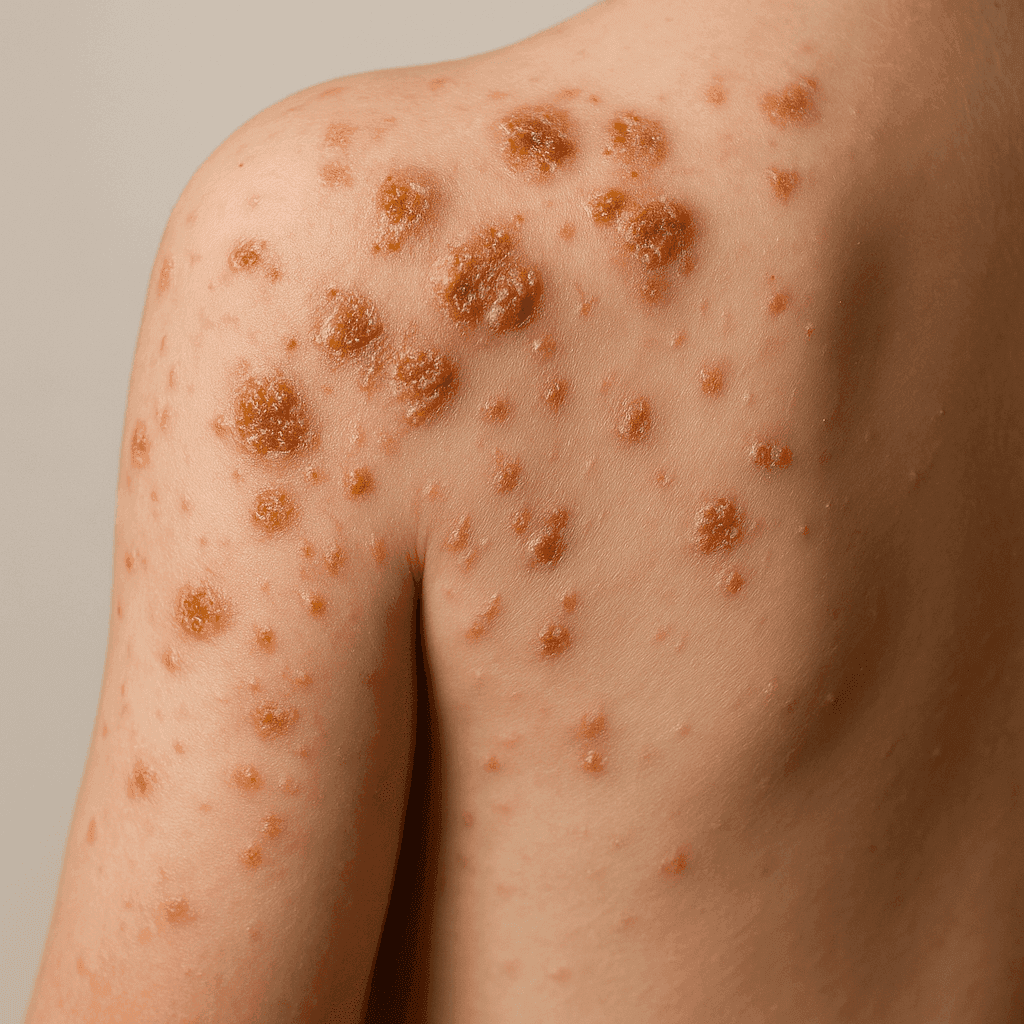
Impetigo in Children: Symptoms and Prevention
Guide to symptoms and prevention of impetigo in children.
Introduction
Impetigo is a common and highly contagious skin infection primarily affecting children. Understanding its symptoms and preventive measures is crucial for managing this condition effectively. Left untreated, impetigo can lead to complications, but with early intervention, it can be controlled and prevented from spreading.
Importance of Awareness
Recognizing the signs of impetigo early can prevent outbreaks in schools and daycares. Parents and caregivers should be informed about the causes and treatments to protect children from this uncomfortable and sometimes painful infection.
What is Impetigo?
Impetigo is a skin infection caused by bacteria, often appearing as red sores on the face, especially around a child's nose and mouth. These sores can burst, leaving a honey-colored crust. There are two main types of impetigo: non-bullous, the more common form, and bullous, which causes larger blisters.
Types of Impetigo
- Non-bullous impetigo: Characterized by small blisters that quickly burst, leaving a yellowish crust.
- Bullous impetigo: Involves larger blisters filled with fluid that may take longer to burst.
Understanding these types helps in identifying impetigo and distinguishing it from other skin conditions.
Symptoms of Impetigo in Children
Children with impetigo often exhibit red sores that can rupture, ooze, and form a crust. Itching and soreness are common, and in some cases, mild swelling of lymph nodes near the infected area can occur.
Differentiating from Other Skin Conditions
While impetigo can resemble other skin rashes, its hallmark honey-colored crust is a key identifier. Unlike eczema or dermatitis, impetigo sores are more superficial and not typically associated with other allergic symptoms.
Parents should watch for:
- Red, itchy sores or blisters
- Yellow, crusted areas on the skin
- Mild lymph node swelling
Causes and Risk Factors
Impetigo is primarily caused by two types of bacteria: Staphylococcus aureus and Streptococcus pyogenes. These bacteria can enter the skin through cuts, insect bites, or other wounds, leading to infection.
Risk Factors in Children
Children are more susceptible to impetigo due to:
- Close contact in schools and playgrounds
- Weaker immune systems compared to adults
- Skin injuries from minor cuts or insect bites
Parents should ensure children maintain good hygiene and treat minor skin injuries promptly to reduce the risk of infection.
How Impetigo Spreads
Impetigo spreads through direct contact with infected sores or through contact with items such as towels, clothing, or toys that have touched the sores. The contagious period lasts until the sores have healed or 24 hours after starting antibiotic treatment.
Preventing Spread
Parents and caregivers can help prevent the spread by:
- Encouraging frequent handwashing
- Keeping infected children at home until no longer contagious
- Avoiding sharing personal items, such as towels or clothing
Diagnosing Impetigo
Diagnosis is typically based on the appearance of the skin. A healthcare provider may take a swab of the infected area to identify the bacteria involved.
When to See a Doctor
Parents should consult a doctor if:
- Sores do not improve after a few days
- The child has a fever
- There are signs of spreading infection
Early diagnosis and treatment can prevent complications and limit the spread to others.
Treatment Options for Impetigo
Impetigo is commonly treated with antibiotics, either oral or topical, depending on the severity. In mild cases, topical antibiotics may suffice, while more extensive infections might require oral antibiotics.
Home Care and Natural Remedies
In addition to medical treatment, maintaining hygiene is crucial. Clean infected areas gently with soap and water, cover the sores, and ensure the child doesn’t scratch or touch the sores.
Some natural remedies, like tea tree oil, may help, but they should be used with caution and preferably under the guidance of a healthcare professional.
Preventing Impetigo in Children
Good hygiene practices are the best defense against impetigo. Regular handwashing, keeping nails short, and avoiding shared personal items are effective preventive measures.
School and Daycare Measures
- Educate children on not sharing personal items
- Ensure common areas are regularly cleaned
- Isolate infected children until they are no longer contagious
These steps can significantly reduce the risk of impetigo outbreaks in communal settings.
Managing Outbreaks
During outbreaks, early detection and treatment are crucial. Inform schools and daycare centers immediately if a child is diagnosed.
Steps to Manage Outbreaks
- Notify close contacts to watch for symptoms
- Increase cleaning of shared spaces
- Ensure all infected children receive appropriate treatment promptly
Proactive management can help control the spread and minimize the impact on the community.
Complications of Impetigo
While impetigo is generally not serious, complications can occur if left untreated. These may include cellulitis, a deeper skin infection, or more rarely, kidney inflammation.
Long-term Effects
Most children recover fully without long-term effects. However, prompt treatment helps prevent potential complications and reduces discomfort.
Conclusion
Understanding impetigo, its symptoms, and how it spreads is essential for prevention and management. By prioritizing good hygiene and seeking early medical advice, the impact of impetigo can be minimized.
Key Takeaways
- Recognize symptoms early for effective treatment
- Maintain hygiene to prevent spread
- Consult healthcare providers promptly for diagnosis and treatment
Frequently Asked Questions (FAQ)
What are the first signs of impetigo in children?
Early signs include red sores, often starting around the nose and mouth, that quickly develop into blisters and crust over.
How long is impetigo contagious in children?
Impetigo remains contagious until the sores heal or 24 hours after starting antibiotics.
Can impetigo heal without antibiotics?
While mild cases may resolve on their own, antibiotics are recommended to speed healing and reduce contagion.
Are there any home remedies effective for treating impetigo?
Some remedies, like tea tree oil, may help, but they should complement, not replace, medical treatment.
How can I prevent my child from getting impetigo again?
Ensure good hygiene practices, treat cuts promptly, and avoid sharing personal items.
When should I seek medical attention for my child's impetigo?
Seek medical advice if sores do not improve, if there is fever, or if the infection seems to be spreading.