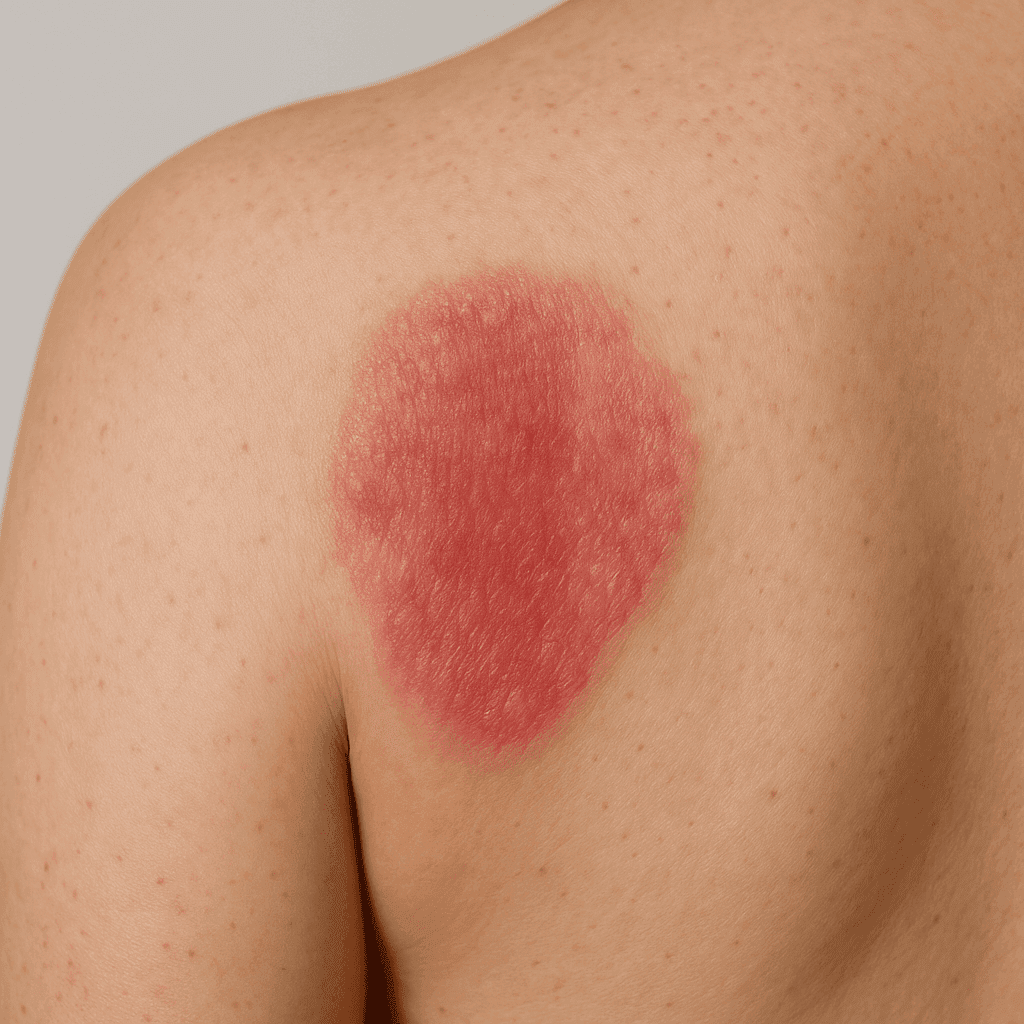
Inverse Psoriasis: Symptoms and Treatment
Learn about symptoms and treatments for inverse psoriasis.
Introduction
Inverse psoriasis, also known as intertriginous psoriasis, is a less common form of psoriasis that primarily affects skin folds such as the armpits, under the breasts, and around the groin and buttocks. Unlike the more prevalent plaque psoriasis, inverse psoriasis is characterized by smooth, red lesions. This condition can significantly impact a person's quality of life as it often occurs in sensitive and friction-prone areas, leading to discomfort and irritation.
What is Inverse Psoriasis?
Inverse psoriasis is a chronic autoimmune condition that manifests as smooth, bright red lesions in body folds. Unlike plaque psoriasis, which typically presents with scaly patches, inverse psoriasis lesions are usually shiny and lack the thick scales. This type of psoriasis can be more challenging to manage because the affected areas are prone to friction and moisture accumulation, exacerbating symptoms.
Symptoms of Inverse Psoriasis
Common symptoms of inverse psoriasis include smooth, inflamed patches of skin that are often bright red and appear in areas where skin touches skin, such as the armpits, groin, and under the breasts. These lesions can cause significant discomfort due to their location, particularly in warm or humid conditions. Other potential symptoms include itching, pain, and increased sensitivity in the affected areas.
Causes and Triggers
Inverse psoriasis is believed to be caused by a combination of genetic and environmental factors. Genetic predisposition plays a significant role, with many patients having a family history of psoriasis. Environmental triggers such as stress, skin injuries, and infections can exacerbate the condition. Lifestyle factors like smoking and obesity are also known to influence the severity of psoriasis.
Diagnosing Inverse Psoriasis
Diagnosis of inverse psoriasis typically involves a clinical examination by a dermatologist. They will assess the skin's appearance and distribution of lesions. In some cases, a biopsy may be performed to rule out other similar conditions such as eczema or fungal infections. Accurate diagnosis is crucial for effective management and treatment of the condition.
Treatment Options for Inverse Psoriasis
Topical Treatments
- Corticosteroids: Often the first line of treatment, these help reduce inflammation and redness.
- Vitamin D Analogs: These can slow down skin cell growth and are sometimes used in combination with corticosteroids.
Systemic Treatments
- Biologics: Target specific parts of the immune system and are used for moderate to severe cases.
- Oral Medications: Such as methotrexate or cyclosporine, which can help manage severe symptoms.
Light Therapy
Though less commonly used for inverse psoriasis due to the sensitive nature of the affected areas, phototherapy may be considered for some patients.
Lifestyle and Home Care Strategies
Implementing certain lifestyle changes can significantly aid in managing inverse psoriasis. Regular skin care, including gentle cleansing and moisturizing, is essential to maintain skin barrier function. Choosing loose, breathable clothing can help minimize friction and irritation. Additionally, maintaining a healthy diet and weight can reduce flare-ups and improve overall skin health.
Natural Remedies and Alternative Therapies
Some patients find relief from symptoms through natural remedies and alternative therapies. Herbal treatments such as aloe vera and turmeric may help reduce inflammation. Stress management techniques like yoga and meditation can also be beneficial, as stress is a known trigger for psoriasis flare-ups.
Preventing Flare-Ups
Identifying and avoiding personal triggers is key to preventing flare-ups. Keeping a journal to track potential triggers such as stress, diet, and environmental factors can be helpful. Long-term management strategies, including consistent treatment regimens and regular dermatological consultations, are crucial for maintaining remission.
FAQs About Inverse Psoriasis
-
What is the difference between inverse psoriasis and eczema?
Inverse psoriasis presents as smooth, red patches without scales, while eczema is often itchy and can have a rash-like appearance. -
Can inverse psoriasis be cured?
There is currently no cure for psoriasis, but symptoms can be effectively managed with proper treatment. -
How can I prevent inverse psoriasis flare-ups?
Avoiding known triggers and adhering to prescribed treatments can help prevent flare-ups. -
Is inverse psoriasis contagious?
No, psoriasis is not contagious and cannot be spread from person to person. -
What are the best over-the-counter treatments for inverse psoriasis?
Over-the-counter hydrocortisone creams can help with mild symptoms, but it's important to consult a dermatologist for persistent issues. -
How does inverse psoriasis affect daily life?
It can impact daily activities due to discomfort and sensitivity in affected areas, but effective management can alleviate these issues.