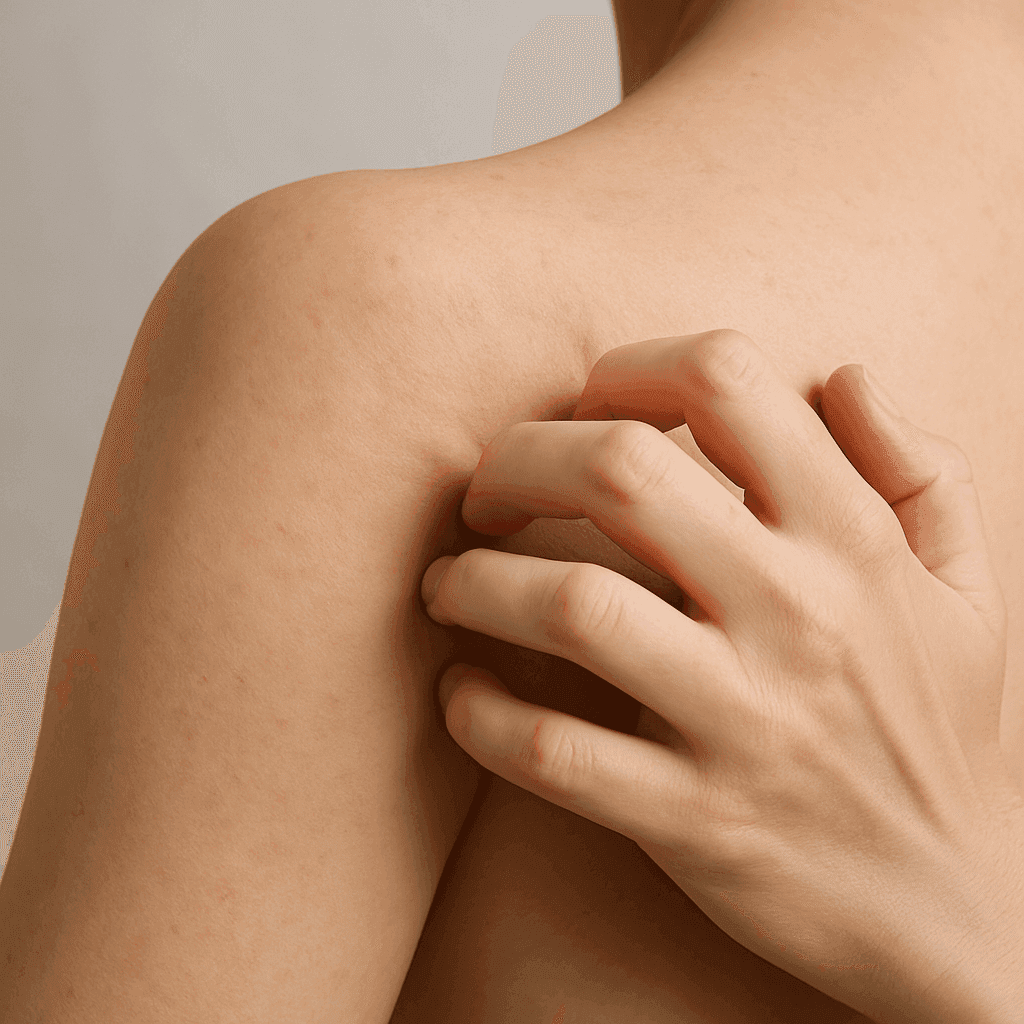
Itchy Skin Without a Rash: Possible Causes and Solutions
Explore causes of itchy skin without rash and possible solutions.
Introduction
Itchy skin, medically known as pruritus, is a common complaint that can occur without any visible rash. While it might seem perplexing, understanding the underlying causes is crucial for effective management and relief. Itchy skin without a rash can arise from various factors that range from environmental influences to systemic conditions. Recognizing these causes helps to direct individuals towards suitable treatment options and possibly prevent further discomfort.
The absence of a visible rash does not necessarily mean the underlying issue is minor. Persistent itching can significantly affect daily life and may sometimes indicate a more serious condition. This article will explore common and less common causes of itchy skin without a rash, along with potential treatment options and tips for prevention.
Common Causes of Itchy Skin Without a Rash
Dry Skin (Xerosis)
Dry skin, or xerosis, is a prevalent cause of itchiness without a visible rash. This condition often results from environmental factors such as low humidity, excessive bathing, or the use of harsh soaps. Symptoms include tight, rough, or flaky skin, which can become itchy as the skin barrier is compromised. Addressing these factors can help alleviate symptoms and restore skin comfort.
Systemic Conditions
Certain systemic conditions can lead to itchy skin without a rash. For example, liver disease, such as hepatitis or cirrhosis, can cause itching due to the accumulation of bile salts under the skin. Similarly, kidney disease may result in pruritus due to the buildup of waste products in the body. Thyroid disorders, including hyperthyroidism and hypothyroidism, can also affect skin sensation, leading to persistent itching.
Allergic Reactions
Allergic reactions may sometimes occur without a visible rash. Common allergens include certain foods, medications, or environmental substances like pollen and pet dander. The absence of a rash does not negate the presence of an allergic response, which can still trigger significant itching and discomfort.
Psychological Factors
Stress and anxiety can significantly impact skin sensation, leading to what is known as psychogenic itch. This type of itch is related to the nervous system rather than a direct skin condition. Stress management techniques, such as meditation, exercise, and counseling, may help alleviate symptoms.
Hormonal Changes
Hormonal fluctuations during menopause or pregnancy can lead to itchy skin without a visible rash. During menopause, decreased estrogen levels can result in skin dryness and increased sensitivity. Pregnancy can also bring about changes in the skin, often leading to itchiness due to hormonal shifts and stretching skin.
Nutritional Deficiencies
Nutritional deficiencies, particularly iron deficiency, can cause itchy skin without a rash. Iron plays a crucial role in many bodily functions, and its deficiency can lead to symptoms like fatigue, pale skin, and itchiness. Other vitamin deficiencies, such as vitamin D or B12, can also contribute to skin discomfort.
Less Common Causes
Neurological Disorders
Certain neurological disorders can cause itching without a rash due to nerve damage or dysfunction. Conditions like multiple sclerosis or shingles can affect nerve pathways, leading to abnormal skin sensations, including itchiness.
Medications
Some medications list itching as a possible side effect, even in the absence of a rash. Common culprits include certain opioids, blood pressure medications, and antibiotics. If medication-induced itching occurs, discussing alternative treatments or dosage adjustments with a healthcare provider is advisable.
Diagnosis and When to See a Doctor
Initial self-assessment can help identify potential triggers for itchiness, such as recent changes in skincare products or diet. However, if itching persists or is severe, consulting a healthcare professional is essential. Medical evaluations may include blood tests, liver and kidney function tests, and thyroid assessments to pinpoint underlying causes.
Treatment Options
Home Remedies
Simple home remedies can provide relief for itchy skin without a rash. These include using moisturizers to maintain skin hydration, taking lukewarm baths, and avoiding irritants like harsh soaps. Lifestyle changes, such as increasing water intake and using a humidifier, can also be beneficial.
Medical Treatments
If home remedies are insufficient, medical treatments may be necessary. Prescription medications, such as antihistamines or corticosteroids, can help manage symptoms. Treating any underlying conditions, such as thyroid imbalances or nutritional deficiencies, is also crucial for alleviating itchiness.
Prevention Tips
Preventing itchy skin without a rash involves adopting a consistent skincare routine. Regularly moisturizing, using gentle skincare products, and protecting the skin from harsh weather conditions can help maintain skin health. Dietary adjustments, such as ensuring adequate vitamin and mineral intake, also play a role in prevention.
Frequently Asked Questions
FAQs
What could cause itchy skin without a rash?
Itchy skin without a rash can result from various factors, including dry skin, systemic conditions, allergies, and psychological factors. Consulting a healthcare provider is advisable if symptoms persist.
Can stress cause itchy skin without a rash?
Yes, stress and anxiety can lead to psychogenic itch, where the sensation is related to the nervous system rather than a physical skin condition.
How can I treat itchy skin if there's no visible rash?
Treatment options include moisturizing, avoiding irritants, and using medications if necessary. Consulting a healthcare provider for appropriate therapies is recommended.
Is itchy skin without a rash a sign of a serious condition?
While often benign, persistent itching can sometimes indicate a serious condition like liver or kidney disease, requiring medical evaluation.
Are there any specific tests for diagnosing itchy skin without a rash?
Diagnostic tests can include blood tests, liver and kidney function tests, and thyroid assessments to identify underlying causes.
Can pregnancy cause itchy skin without a rash?
Yes, hormonal changes during pregnancy can lead to itchy skin due to increased skin sensitivity and stretching.