Jock Itch (Tinea Cruris) – Symptoms and Treatment
Guide to understanding and managing jock itch.
Introduction
Jock itch, medically known as tinea cruris, is a common fungal infection affecting the groin area. It is characterized by an itchy, red rash and can affect anyone, although it is more frequent in men. Understanding the symptoms and treatment options is crucial for effective management and relief.
In this article, we will explore the causes, symptoms, and treatment strategies for jock itch, along with preventive measures to reduce recurrence. Remember, while at-home treatments can be effective, consulting a healthcare professional is essential if symptoms persist.
What is Jock Itch?
Jock itch is a fungal infection caused by dermatophytes, which thrive in warm, moist environments. It spreads through direct contact with infected skin or contaminated surfaces, such as towels or clothing. While not dangerous, it can cause significant discomfort.
How it Spreads
The fungi responsible for jock itch are contagious and can spread easily in communal areas like gyms and locker rooms. Sharing personal items like towels can also facilitate transmission. Maintaining good hygiene and avoiding shared items are key preventive measures.
Symptoms of Jock Itch
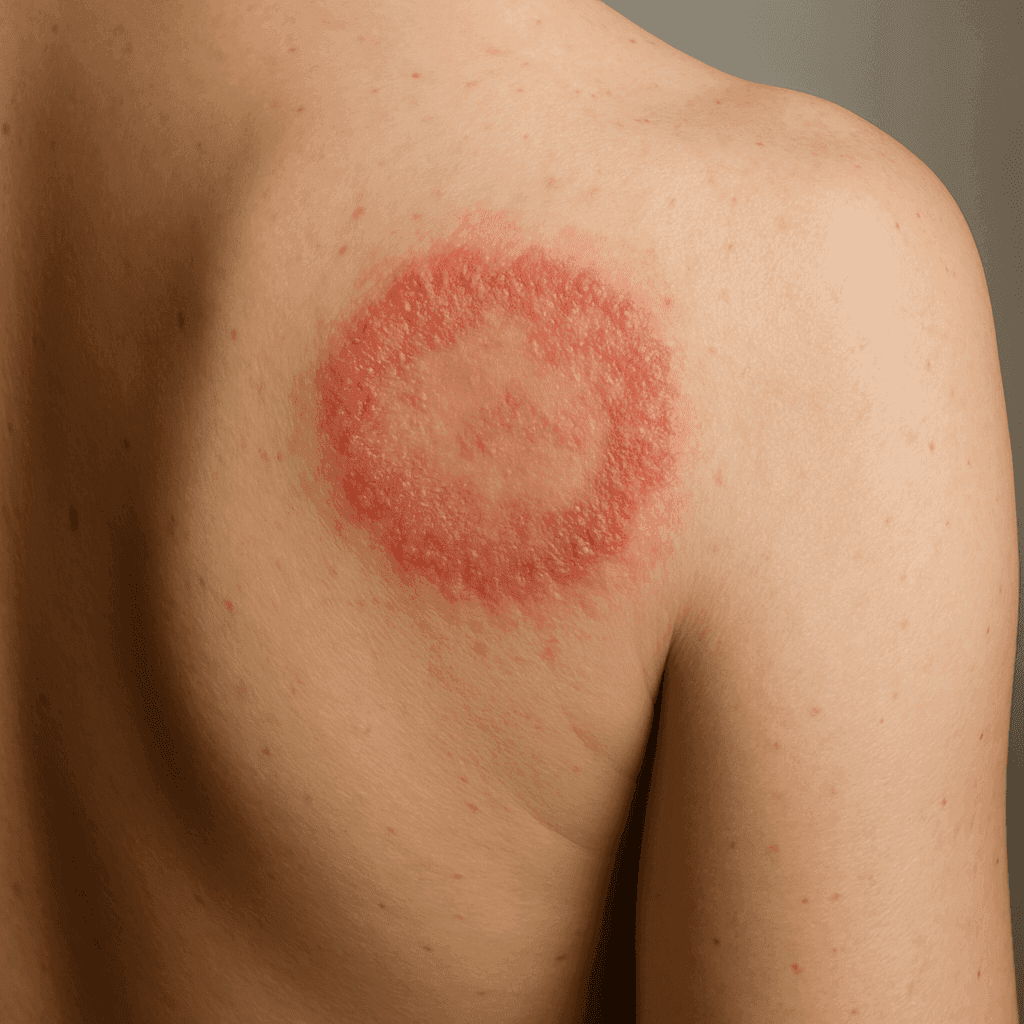
Common symptoms of jock itch include a red, itchy rash that may have a ring-like appearance. The affected area can become scaly or blistered, leading to discomfort and irritation.
Differentiating from Other Skin Conditions
It's important to distinguish jock itch from other conditions like yeast infections, which can present similarly. A healthcare professional can provide an accurate diagnosis through physical examination and testing.
Causes and Risk Factors
Jock itch can be caused by several factors, including excessive sweating and wearing tight clothing. Those with compromised immune systems or conditions like diabetes may have an increased risk.
Common Causes
- Prolonged moisture in the groin area
- Wearing tight or synthetic fabrics
- Obesity, which increases skin folds
Risk Factors
- Participating in sports or activities that cause sweating
- Sharing towels or personal items
- Living in warm, humid climates
Diagnosis of Jock Itch
A dermatologist can diagnose jock itch through a physical examination and possibly a skin scraping to identify fungal elements. Early diagnosis is key to effective treatment and preventing spread.
Tests and Examinations
- Visual inspection of the affected area
- Microscopic examination of skin scrapings
- Culture tests to identify the specific fungus
Treatment Options
Over-the-Counter Treatments
Many mild cases of jock itch can be managed with over-the-counter (OTC) antifungal creams and powders. Brands like clotrimazole and miconazole are effective when applied as directed.
Prescription Medications
For more persistent infections, prescription-strength antifungals may be necessary. A healthcare provider can recommend the appropriate treatment based on severity.
Natural and Home Remedies
Some individuals find relief with natural remedies such as tea tree oil or apple cider vinegar. However, these should be used with caution and are not substitutes for medical treatment.
Prevention Tips
Maintaining good hygiene is essential in preventing jock itch. Simple lifestyle adjustments can significantly reduce the risk of recurrence.
Daily Hygiene Practices
- Keep the groin area dry and clean
- Change out of sweaty clothes promptly
- Avoid sharing towels and personal items
Lifestyle Changes
- Opt for loose-fitting clothing
- Use antifungal powders if you are prone to infections
- Ensure proper ventilation in the affected area
When to See a Doctor
While jock itch often resolves with OTC treatments, persistent symptoms warrant professional evaluation. Complications can arise if the infection spreads or leads to secondary bacterial infections.
Signs to Seek Medical Advice
- Rash does not improve with treatment
- Severe itching or discomfort
- Signs of bacterial infection, such as pus or increased redness
Jock Itch in Special Populations
Jock Itch in Women
Although less common, women can develop jock itch. The treatments are similar to those for men, focusing on antifungal medications and maintaining dryness in the affected areas.
Athletes and Jock Itch
Athletes are particularly susceptible due to frequent sweating and skin friction. Regular use of antifungal powders and proper hygiene practices can help prevent outbreaks.
FAQs
Can jock itch go away on its own?
In some cases, mild jock itch may resolve without treatment. However, using antifungal products can speed up recovery and prevent spread.
Is jock itch contagious?
Yes, it can spread through direct contact or shared items. Good personal hygiene is crucial in preventing transmission.
What happens if jock itch is left untreated?
Untreated jock itch can lead to persistent discomfort and potential secondary infections. Seeking timely treatment is advisable.
Can you get jock itch from a swimming pool?
While pool water itself is not a common transmission source, shared locker rooms and towels can contribute to the spread.
How can I prevent jock itch from recurring?
Adopting consistent hygiene practices, using antifungal powders, and avoiding tight clothing are effective prevention strategies.
Are there any foods that can help prevent jock itch?
No specific foods prevent jock itch, but a balanced diet supporting a healthy immune system can aid overall skin health.