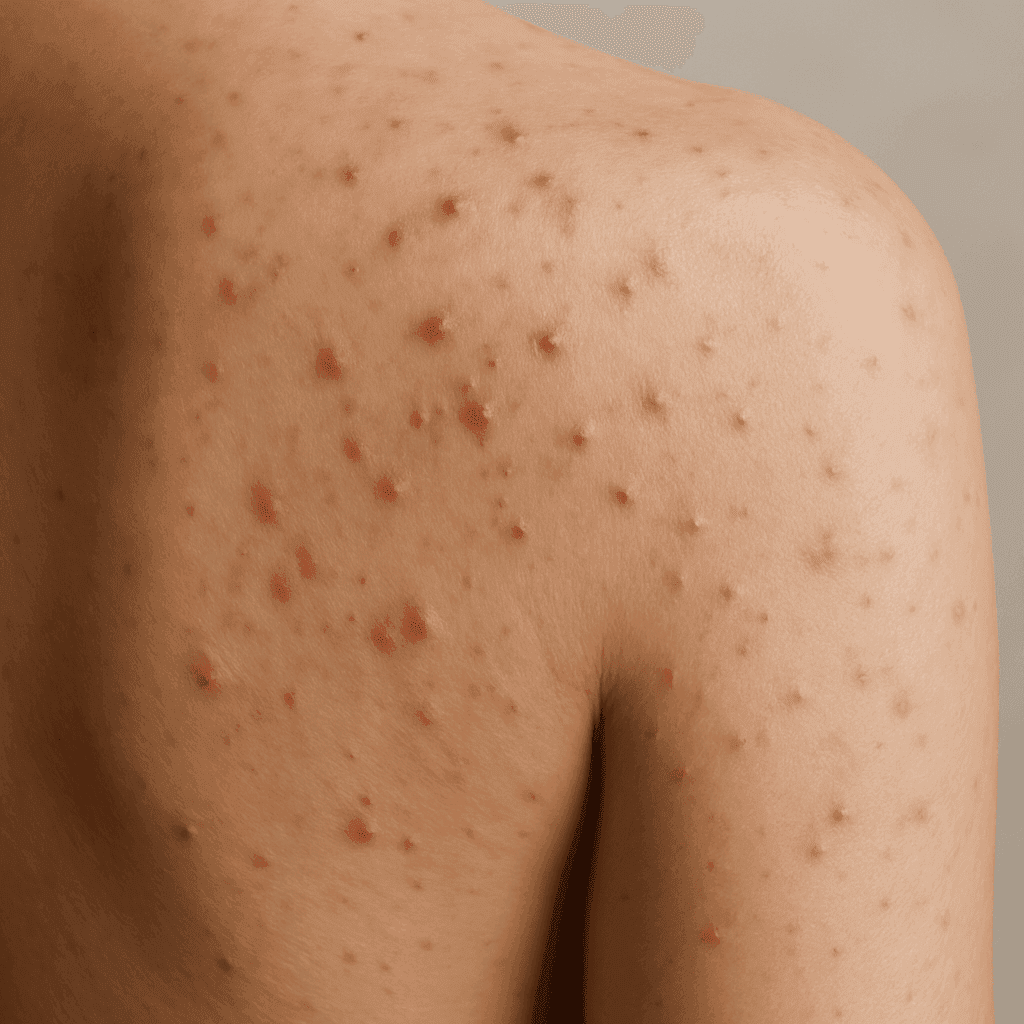
Ketogenic and Vegan Diets: Their Impact on Skin Health
Explore how keto and vegan diets affect skin health.
Introduction
The ketogenic and vegan diets have gained significant popularity over recent years, each offering distinct lifestyle and health benefits. While the primary focus of these diets is often weight management and overall health, their impact on skin health is also noteworthy. Understanding how different diets influence the skin can guide individuals in making informed dietary choices that may enhance their skin's appearance and health.
Diet is a crucial factor in skin health, influencing conditions like acne, inflammation, and hydration. Each diet brings unique characteristics that can either benefit or challenge skin health. This article delves into how the ketogenic and vegan diets affect skin, helping readers make educated decisions about their dietary habits in pursuit of healthier skin.
Understanding the Ketogenic Diet
The ketogenic diet is a high-fat, low-carbohydrate eating plan that encourages the body to enter a state of ketosis, where it burns fats instead of carbohydrates for energy. Common foods in a ketogenic diet include meats, fatty fish, eggs, dairy, nuts, seeds, and low-carb vegetables. It significantly limits sugar, bread, pasta, and other high-carb foods.
How the Ketogenic Diet Affects the Body
In ketosis, the body becomes efficient at burning fat and using ketones for energy, which can lead to weight loss and improved energy levels. This metabolic shift may also influence skin health by reducing inflammation, a common trigger for skin conditions like acne and eczema. However, the high-fat nature of the diet might not be suitable for everyone, particularly those with certain skin types or conditions.
The Impact of the Ketogenic Diet on Skin Health
One of the potential benefits of the ketogenic diet is its ability to reduce inflammation, which may help improve acne by lowering insulin levels and decreasing oil production. Some studies suggest that a reduction in sugar and refined carbohydrates can lead to clearer skin and reduced acne lesions.
Potential Risks and Side Effects on Skin
Despite its benefits, the ketogenic diet can pose risks to skin health. Some individuals may experience dryness or rashes, possibly due to dietary imbalances or deficiencies. It's important for individuals on this diet to monitor their skin's response and consult healthcare providers if adverse effects occur.
Case studies and scientific research on the ketogenic diet's impact on skin health are still evolving. While some users report significant improvements, others may encounter challenges, underscoring the importance of personalized dietary approaches.
Understanding the Vegan Diet
A vegan diet excludes all animal products, focusing on plant-based foods such as fruits, vegetables, legumes, nuts, and grains. This diet is rich in vitamins, minerals, and antioxidants, which can contribute positively to overall health and skin vitality.
How the Vegan Diet Affects the Body
The high intake of fruits and vegetables in a vegan diet provides a wealth of antioxidants, which help combat oxidative stress and may contribute to healthier, more resilient skin. Additionally, the absence of dairy, often linked to acne, may benefit individuals prone to breakouts.
The Impact of the Vegan Diet on Skin Health
Vegan diets can offer numerous benefits for skin, particularly in terms of clarity and hydration. The abundance of vitamins and minerals supports collagen production and skin elasticity, potentially reducing signs of aging.
Anti-aging and Hydration Effects
The high water content in many plant-based foods helps maintain skin hydration. Additionally, the anti-inflammatory properties of fruits and vegetables can help soothe irritated skin and reduce redness.
However, vegans must be mindful of potential deficiencies, such as vitamin B12 and omega-3 fatty acids, which are important for skin health. Addressing these through supplements or fortified foods can help mitigate any negative effects.
Comparing Ketogenic and Vegan Diets for Skin Health
Both ketogenic and vegan diets offer potential skin benefits, but they achieve these through different mechanisms. While the keto diet reduces inflammation through ketosis, the vegan diet provides antioxidants and hydration through plant-based nutrition.
Similarities and Differences in Skin Outcomes
Both diets can improve skin clarity and reduce acne, though the effectiveness may vary based on individual skin types and conditions. The keto diet may be more beneficial for those with oily skin, while the vegan diet might better suit those seeking hydration and anti-aging benefits.
When choosing a diet for specific skin conditions, it is important to consider personal health needs, preferences, and potential dietary restrictions. Consulting with healthcare professionals can provide tailored advice.
Expert Opinions and Recommendations
Dermatologists often emphasize the importance of a balanced diet that supports overall health and skin vitality. While both ketogenic and vegan diets can be part of a healthy lifestyle, they should be tailored to individual health goals and skin needs.
Nutritionist Advice on Balanced Diet for Skin Health
Nutritionists recommend incorporating a variety of foods to ensure adequate nutrient intake. This includes a mix of healthy fats, proteins, and carbohydrates, whether from animal or plant sources. Supplementation may be necessary in certain diets to prevent deficiencies that could affect skin health.
For those seeking specific skin improvements, such as reduced acne or enhanced hydration, professional guidance can provide personalized dietary strategies.
Conclusion
Overall, both the ketogenic and vegan diets offer unique benefits and challenges for skin health. While the keto diet may help reduce inflammation and acne, the vegan diet offers hydration and anti-aging benefits. Individuals should consider their personal health needs and consult with healthcare professionals to determine the best dietary approach for their skin.
Final Recommendations for Diet and Skin Health
- Monitor skin's response to dietary changes.
- Consult with healthcare providers for personalized advice.
- Ensure balanced nutrient intake to support overall skin health.
FAQ
How does the ketogenic diet help with acne?
The ketogenic diet may reduce acne by decreasing insulin levels and inflammation, which can lead to clearer skin.
Can a vegan diet improve skin hydration?
Yes, the high water content in plant-based foods can help maintain skin hydration, contributing to a healthy glow.
Are there any risks of following a ketogenic diet for skin?
Some individuals may experience dryness or rashes on a ketogenic diet, highlighting the need for monitoring and professional guidance.
What nutrients in a vegan diet benefit the skin?
Vitamins, antioxidants, and minerals in a vegan diet support collagen production and skin elasticity, which are beneficial for skin health.
How long does it take to see skin improvements on these diets?
Skin improvements may vary, but noticeable changes can often be seen within a few weeks to a couple of months, depending on individual responses.
Can switching diets cause temporary skin issues?
Yes, transitioning between diets can sometimes lead to temporary skin issues as the body adjusts to new nutrient profiles and metabolic states.