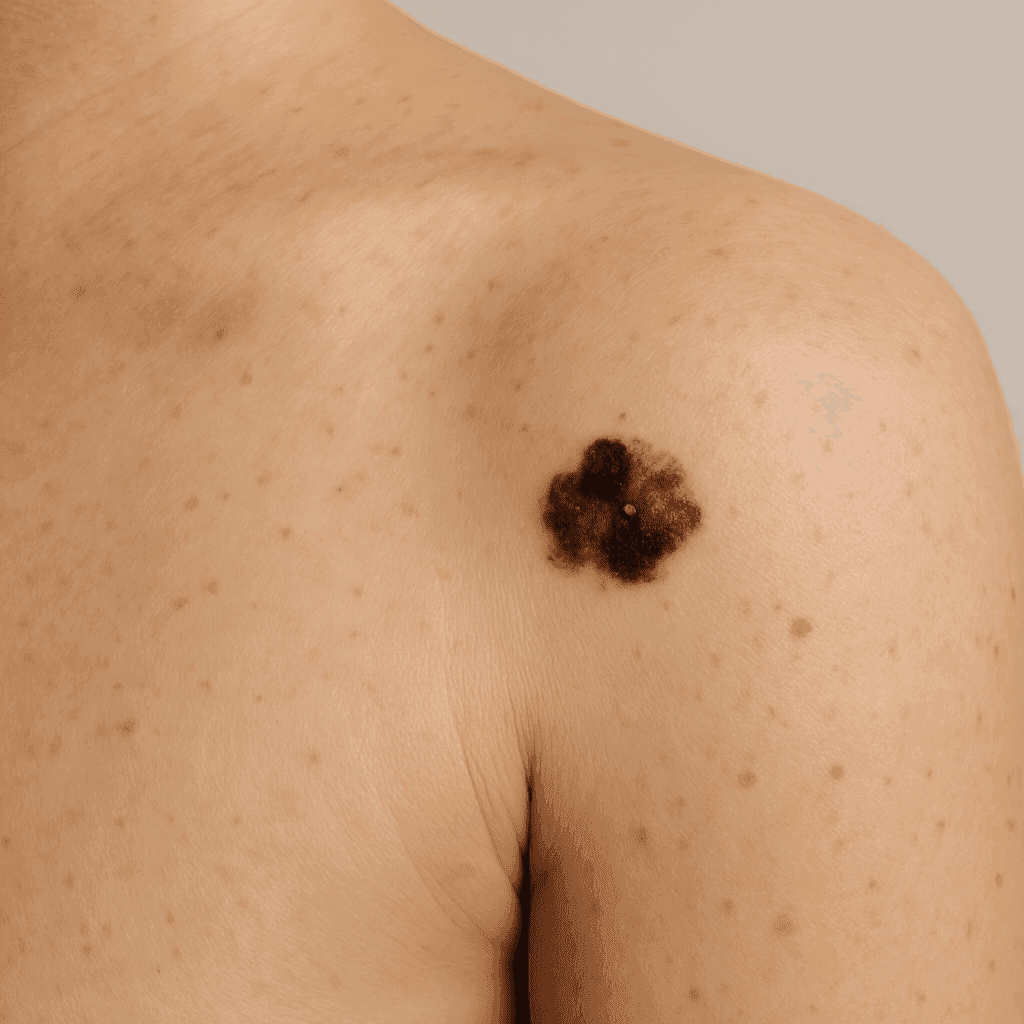
Melanoma – Early Signs and Diagnosis
Early signs, diagnosis of melanoma skin cancer.
Introduction
Melanoma is a serious form of skin cancer that originates in the melanocytes, the cells responsible for pigment production in the skin. While it is less common than other skin cancers, melanoma can be more dangerous because of its ability to spread to other parts of the body. Early detection is crucial for effective treatment and improved survival rates. This article provides an overview of melanoma, highlighting the importance of recognizing early signs and the steps involved in diagnosis.
What is Melanoma?
Melanoma is a type of skin cancer that arises from melanocytes. There are several types, including superficial spreading melanoma, nodular melanoma, lentigo maligna melanoma, and acral lentiginous melanoma. Each type has distinct characteristics and can affect different areas of the body. The exact cause of melanoma is not fully understood, but several risk factors have been identified. These include excessive sun exposure, a history of sunburns, having many moles, fair skin, and a family history of melanoma.
Causes and Risk Factors
Melanoma risk is influenced by both genetic and environmental factors. Ultraviolet (UV) radiation from the sun or tanning beds is a leading environmental risk factor. Genetic predispositions, such as mutations in certain genes, can also increase risk. Awareness of these factors can aid in prevention and early detection efforts.
Early Signs of Melanoma
Recognizing the early signs of melanoma is essential for early diagnosis and treatment. One of the most effective methods is using the ABCDEs of melanoma:
- Asymmetry: One half of the mole does not match the other.
- Border: Edges are irregular, ragged, or blurred.
- Color: Varied shades of brown, tan, or black.
- Diameter: Greater than 6mm (about the size of a pencil eraser).
- Evolving: Changes in size, shape, or color.
Differences Between Melanoma and Benign Moles
It is important to differentiate between melanoma and benign moles. Benign moles are usually uniform in color, have smooth edges, and do not change over time. Any noticeable changes in a mole should be evaluated by a healthcare professional.
Diagnosing Melanoma
Early diagnosis of melanoma significantly improves treatment outcomes. Self-examination is the first step in identifying suspicious skin changes. Regularly checking your skin for new moles or changes in existing moles can help detect melanoma early.
Self-Examination Techniques
Examine your skin in a well-lit room using a full-length mirror. Check all areas of your body, including hard-to-see places like the back, scalp, and soles of the feet. Use a hand mirror for difficult areas. Document any changes and consult a dermatologist if you notice anything unusual.
When to Consult a Dermatologist
If you find a suspicious mole or skin change, it is important to seek professional evaluation. Dermatologists can perform a thorough examination and may recommend a biopsy to confirm a diagnosis. Advanced diagnostic tests, such as dermoscopy or digital mole mapping, can also aid in the assessment.
Importance of Early Detection
Early detection of melanoma can dramatically affect prognosis. When caught early, melanoma is highly treatable, often with surgical removal alone. As the cancer progresses, treatment becomes more complex and may involve chemotherapy, radiation, or immunotherapy. Therefore, regular skin checks and prompt evaluation of suspicious changes are vital.
Prognosis and Treatment Outcomes
The five-year survival rate for melanoma detected early is around 98%. As melanoma progresses to later stages, the survival rate decreases significantly. This underscores the importance of early detection and intervention.
How to Reduce Your Risk
Preventive measures can significantly reduce the risk of developing melanoma. Sun protection is critical. Use broad-spectrum sunscreen with an SPF of at least 30, wear protective clothing, and avoid peak sun hours. Regular skin checks by a dermatologist are also recommended, especially for those at higher risk.
Sun Protection Tips
- Apply sunscreen generously on all exposed skin.
- Reapply every two hours, or more often if swimming or sweating.
- Wear wide-brimmed hats and UV-blocking sunglasses.
Lifestyle Modifications
Adopting a healthy lifestyle can further lower risk. Avoid tanning beds, stay in the shade when possible, and maintain a balanced diet rich in antioxidants.
Conclusion
In summary, understanding the early signs of melanoma and taking proactive steps can significantly improve outcomes. Regular self-examinations, coupled with professional skin checks, play a crucial role in early detection. By adopting preventive measures and staying informed about skin changes, individuals can protect themselves against melanoma.
FAQs
What are the first signs of melanoma?
The first signs of melanoma include new or changing moles that exhibit asymmetry, irregular borders, multiple colors, large diameter, or evolving characteristics.
How can I tell if a mole is cancerous?
A cancerous mole may show signs outlined in the ABCDEs of melanoma. If you are uncertain, consult a dermatologist for a professional evaluation.
What should I do if I suspect melanoma?
If you suspect melanoma, schedule an appointment with a dermatologist promptly. Early consultation can lead to early diagnosis and treatment.
How often should I get screened for melanoma?
It is recommended to have an annual skin exam by a dermatologist, especially if you have risk factors for melanoma.
Can melanoma be cured if caught early?
Yes, melanoma can often be cured if caught early, typically through surgical removal. Early-stage melanoma has a high treatment success rate.
Are there any risk factors that increase the chance of developing melanoma?
Yes, risk factors include excessive sun exposure, a history of sunburns, fair skin, numerous moles, and a family history of melanoma.