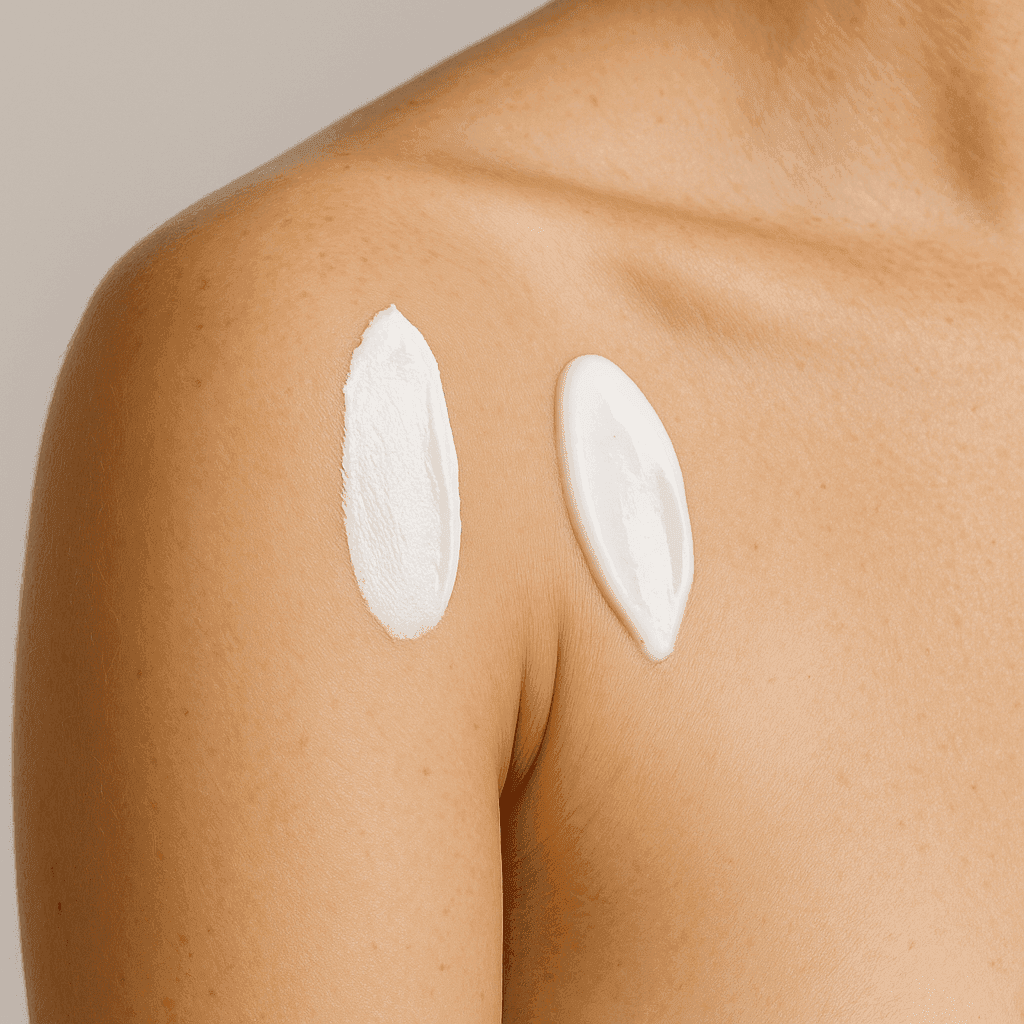
Mineral vs. Chemical Sunscreen: Pros and Cons
Explore mineral and chemical sunscreen benefits.
Introduction
Sunscreen is a vital tool in protecting skin from harmful UV rays, which can lead to skin cancer and premature aging. With various options available, choosing the right type can be overwhelming. This article provides an overview of mineral and chemical sunscreens, helping you make an informed decision.
What is Mineral Sunscreen?
Mineral sunscreens, also known as physical sunscreens, use active mineral ingredients like zinc oxide and titanium dioxide. These minerals sit on the skin's surface and reflect UV rays away from the skin. They start working immediately upon application, offering protection as soon as they're applied.
Mineral sunscreens are often recommended for sensitive skin due to their gentle formulation. They are less likely to cause irritation, making them suitable for children and individuals with conditions like eczema and rosacea.
What is Chemical Sunscreen?
Chemical sunscreens contain organic compounds such as oxybenzone, avobenzone, and octisalate. These ingredients absorb UV radiation through a chemical reaction, converting it into heat and releasing it from the skin. They require about 20 minutes to become effective after application.
Chemical sunscreens are popular for their lightweight texture and ease of application. They are less likely to leave a white cast, making them a preferred choice for daily use under makeup.
Pros and Cons of Mineral Sunscreen
Advantages
- Suitable for Sensitive Skin: Mineral sunscreens are hypoallergenic and non-comedogenic, making them ideal for sensitive or acne-prone skin.
- Immediate Protection: They provide instant protection upon application, eliminating wait times.
- Environmental Benefits: Mineral sunscreens are generally reef-safe, reducing harm to marine life.
Disadvantages
- Cosmetic Drawbacks: The main complaint is the white cast they can leave, which can be more noticeable on darker skin tones.
- Texture and Application: They can be thicker and more challenging to spread evenly, requiring thorough application.
Pros and Cons of Chemical Sunscreen
Advantages
- Easy Application and Absorption: These sunscreens are typically lighter and spread more easily across the skin, making them less visible.
- Less Visible on the Skin: They tend not to leave a white residue, making them favorable for everyday use.
Disadvantages
- Potential Skin Irritation: Some chemical filters can cause irritation or allergic reactions, especially in sensitive skin.
- Environmental Concerns: Certain compounds, like oxybenzone, can contribute to coral bleaching and are not considered reef-safe.
Comparing Effectiveness
Both mineral and chemical sunscreens provide UVA and UVB protection, which is crucial for comprehensive sun safety. Check the product label for 'broad-spectrum' to ensure full protection. Water resistance is another key factor; if you plan to swim or sweat, ensure your sunscreen is water-resistant and reapply as directed.
Choosing the Right Sunscreen for Your Skin Type
Sensitive Skin
Mineral sunscreen is often the best choice for sensitive skin due to its gentle formula. Look for products with added moisturizers to soothe the skin.
Oily and Acne-Prone Skin
Chemical sunscreens are generally more suitable for oily skin because of their lightweight nature. Choose non-comedogenic options to avoid clogging pores.
Dry Skin
For dry skin, look for sunscreens with hydrating ingredients like hyaluronic acid or glycerin, regardless of whether they are mineral or chemical.
Environmental Impact
The environmental impact of sunscreens is an important consideration. Mineral sunscreens are usually less harmful to marine environments. However, it's essential to check for reef-safe labels. Some chemical sunscreens contain ingredients that can damage coral reefs, so opt for eco-friendly formulations when possible.
Safety Concerns and Regulations
Sunscreen safety is regulated by agencies like the FDA and international bodies. Both mineral and chemical sunscreens have undergone extensive testing to ensure they are safe for use. Stay informed about ingredient safety and choose products from reputable brands that comply with these guidelines.