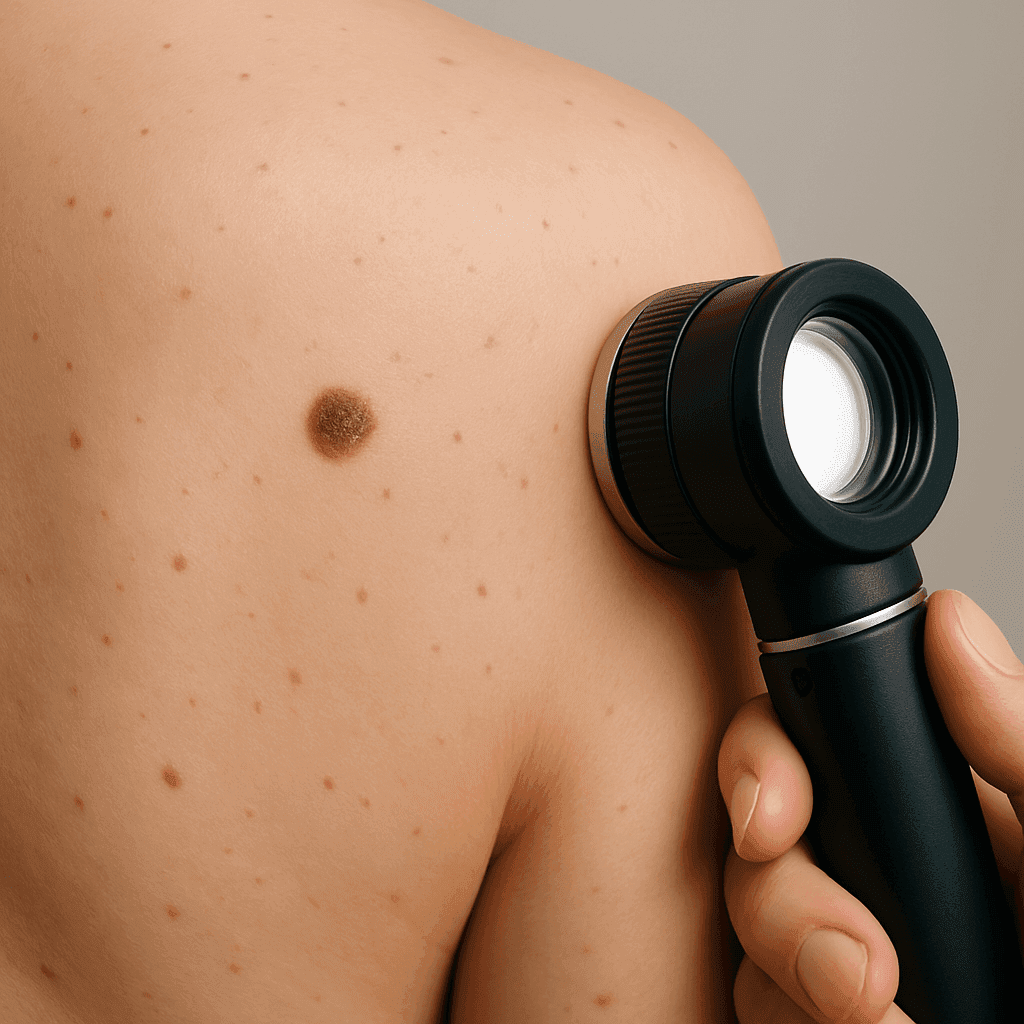
Mole Mapping – Digital Dermoscopy
Explore digital dermoscopy for mole mapping.
Introduction
Mole mapping through digital dermoscopy has emerged as a pivotal tool in modern dermatology, offering a non-invasive approach to monitor skin health. This technology is essential for individuals with numerous moles or a family history of skin cancer, enabling continuous observation for any suspicious changes. While it is not a replacement for professional medical evaluation, it enhances preventive care by facilitating early detection of potential issues.
What is Digital Dermoscopy?
Digital dermoscopy involves the use of a specialized device to magnify and photograph moles, providing high-resolution images that can be analyzed over time. This method has evolved significantly since its inception, with advancements in imaging technology enhancing accuracy and accessibility. By digitally documenting the skin's surface, dermatologists can track changes more effectively than with traditional visual inspections alone.
How Does Mole Mapping Work?
Mole mapping involves a step-by-step process that begins with capturing detailed images of the skin. These images are then analyzed using sophisticated software designed to identify changes in mole size, shape, and color. The technology employed includes advanced dermatoscopes connected to computers, allowing for precise analysis and record-keeping. This process aids dermatologists in making informed decisions about any necessary interventions.
Benefits of Mole Mapping
Early Detection of Skin Cancer
Mole mapping is crucial for the early detection of skin cancer, including melanoma. By providing a comprehensive record of moles, it enables dermatologists to identify malignant transformations sooner, potentially increasing the chances of successful treatment.
Monitoring Changes Over Time
Regular mole mapping allows for the monitoring of changes in moles over time, which is essential for individuals at risk. This ongoing observation helps in distinguishing between benign and potentially harmful lesions.
Non-Invasive and Painless Procedure
The process of mole mapping is both non-invasive and painless, making it an attractive option for routine skin checks without the discomfort associated with more invasive diagnostic methods.
Who Should Consider Mole Mapping?
High-Risk Individuals
Individuals with a high number of moles, fair skin, or a history of sunburns should consider regular mole mapping. This group is more susceptible to skin changes, making regular monitoring essential.
Patients with Numerous Moles
Those with numerous moles are at an increased risk of developing skin cancer, and mole mapping provides a clear record to track any changes.
Family History of Skin Cancer
A family history of skin cancer significantly increases one's risk, making mole mapping a prudent choice for early detection and prevention.
Digital Dermoscopy vs Traditional Methods
While traditional skin checks rely on the dermatologist's visual inspection, digital dermoscopy offers enhanced accuracy through detailed imaging and software analysis. This technology allows for a more thorough examination and offers the advantage of storing images for future comparison, which is less feasible with traditional methods. However, it is important to complement digital dermoscopy with regular dermatologist consultations for the most comprehensive care.
Cost and Accessibility
The cost of mole mapping can vary widely depending on the clinic and region, with average prices ranging from $150 to $400 per session. Many insurance plans may offer partial coverage for mole mapping if it is deemed medically necessary, so it is advisable to check with your provider. Increasingly, digital dermoscopy is becoming more accessible, with some clinics offering remote services through online platforms.
Preparing for a Mole Mapping Appointment
To prepare for a mole mapping appointment, it is important to ensure that your skin is clean and free from makeup or lotions, which can interfere with the imaging process. Wear comfortable clothing that can be easily removed if necessary. During the appointment, the dermatologist will discuss your medical history and any concerns you may have, ensuring that the procedure is tailored to your needs.
Follow-Up and Monitoring
Regular follow-up appointments are vital for effective monitoring. Depending on individual risk factors, dermatologists usually recommend re-evaluation every 6 to 12 months. These follow-ups help in detecting any new or evolving moles that may require further attention. Consistent monitoring not only aids in early detection but also provides peace of mind.
Conclusion
Mole mapping through digital dermoscopy is a powerful tool in the fight against skin cancer, offering a non-invasive, accurate, and comprehensive approach to monitoring skin health. By integrating regular mole mapping into your healthcare routine, you can take proactive steps in managing your skin health effectively. While it is not a substitute for professional medical advice, it is a valuable component of preventive skin care.
Frequently Asked Questions
What is the difference between mole mapping and a regular skin check?
Mole mapping involves detailed imaging and recording of moles, whereas a regular skin check may not include such comprehensive documentation.
How often should one undergo mole mapping?
The frequency depends on individual risk factors, but generally, every 6 to 12 months is recommended.
Are there any risks associated with digital dermoscopy?
Digital dermoscopy is a safe, non-invasive procedure with no significant risks.
How long does a mole mapping session take?
A typical session lasts between 30 to 60 minutes, depending on the number of moles.
Can digital dermoscopy detect all types of skin cancer?
While highly effective, it should be used in conjunction with professional medical evaluations for comprehensive detection.
Is mole mapping suitable for children?
Yes, it can be beneficial for children, especially those with numerous moles or a family history of skin cancer.