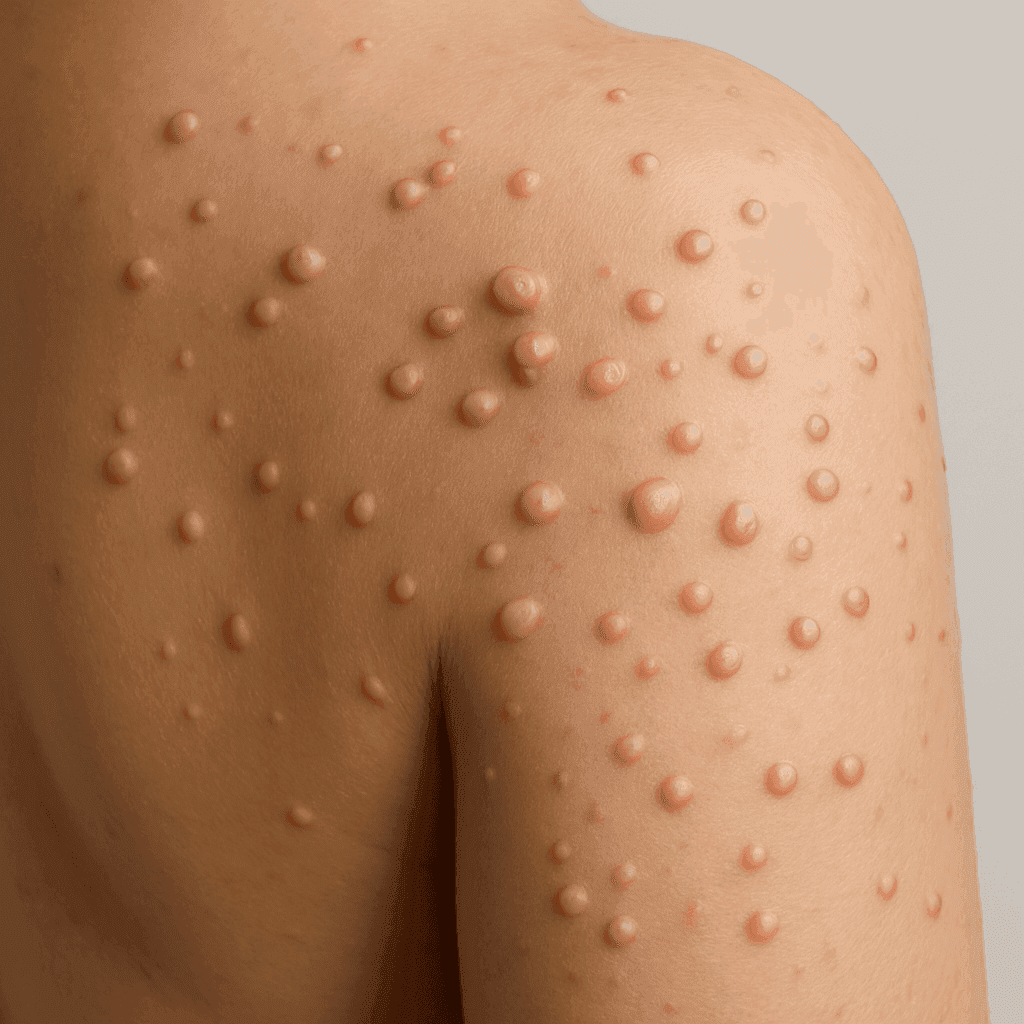
Molluscum Contagiosum – Viral Skin Infection
Learn about molluscum contagiosum symptoms, causes, and treatments.
Introduction
Molluscum contagiosum is a common viral skin infection that causes raised, pearl-like papules or nodules on the skin. These lesions, while painless, can be unsightly and sometimes lead to secondary infections if not properly managed. Understanding molluscum contagiosum is crucial for effective management and prevention, especially in children and immunocompromised individuals.
What is Molluscum Contagiosum?
Molluscum contagiosum is caused by the molluscum contagiosum virus (MCV), a member of the poxvirus family. The virus is highly contagious and spreads through direct skin-to-skin contact or via contaminated objects. It primarily affects the skin, resulting in small, firm, dome-shaped growths that are often flesh-colored.
Virus Responsible
The molluscum contagiosum virus has several subtypes, with MCV-1 being the most prevalent. While the infection is typically benign and self-limiting, it can persist for several months without treatment.
Causes and Risk Factors
The molluscum contagiosum virus spreads through direct contact with infected skin or by touching contaminated objects like towels or clothing. Individuals with weakened immune systems or those living in warm, humid climates are more susceptible to infection. Children, especially those in daycare or school settings, are at higher risk due to frequent close contact with peers.
Environmental and Lifestyle Factors
Practices such as sharing personal items or engaging in contact sports can increase the risk of transmission. Maintaining good personal hygiene and avoiding the sharing of personal items can help reduce the risk of developing molluscum contagiosum.
Symptoms and Diagnosis
The primary symptom of molluscum contagiosum is the appearance of small, firm bumps on the skin. These lesions typically have a central dimple and can appear anywhere on the body. In children, lesions are most common on the face, trunk, and limbs, whereas in adults, they often occur in the genital area due to sexual transmission.
Diagnostic Procedures
Diagnosis is usually clinical, based on the characteristic appearance of the lesions. In rare cases, a dermatologist may perform a skin biopsy to confirm the diagnosis. Early recognition and diagnosis are essential for effective management and to prevent spreading the infection.
Treatment Options
Several treatment options are available for molluscum contagiosum, though many cases resolve spontaneously over time. Medical treatments include cryotherapy, curettage, and topical therapies, which can help speed up the resolution of lesions.
Home Care and Over-the-Counter Solutions
For those who prefer home treatment, over-the-counter options such as salicylic acid or tea tree oil may be beneficial. However, it is important to consult with a healthcare professional before starting any treatment.
Natural Remedies
Some individuals opt for natural remedies like apple cider vinegar or coconut oil, though scientific evidence supporting their efficacy is limited. Always discuss with a healthcare provider before trying alternative treatments.
Prevention Strategies
Preventing the spread of molluscum contagiosum involves practicing good hygiene and minimizing skin-to-skin contact with infected individuals. Avoid sharing personal items like towels or razors and keep affected areas covered to reduce transmission risk.
Role of Vaccination
Currently, there is no vaccine available for molluscum contagiosum. However, maintaining a healthy immune system can help reduce the risk of infection. Regular handwashing and avoiding skin contact with contaminated surfaces are key preventive measures.
Complications and Prognosis
While molluscum contagiosum is generally harmless, secondary bacterial infections can occur if lesions are scratched or not kept clean. In some cases, individuals with compromised immune systems may experience more severe or widespread infections.
Long-Term Outlook
For most individuals, molluscum contagiosum resolves on its own within 6 to 12 months. The prognosis is excellent, with minimal risk of long-term complications. However, recurrent infections can occur, particularly in immunocompromised patients.
Molluscum Contagiosum in Special Populations
Different groups experience molluscum contagiosum in unique ways. Children often contract the virus through play and shared items, while immunocompromised individuals may experience more severe symptoms and require close medical supervision.
Sexually Active Adults
In adults, molluscum contagiosum can be transmitted through sexual contact, leading to lesions in the genital area. It is not classified as a traditional sexually transmitted infection, but safe sex practices can help reduce transmission.
Living with Molluscum Contagiosum
Managing molluscum contagiosum involves addressing both physical and emotional aspects. Keeping the skin clean and dry, avoiding scratching, and using prescribed treatments can help manage symptoms.
Emotional and Psychological Impact
The appearance of lesions can be distressing for some individuals, impacting self-esteem and social interactions. Support groups and counseling can provide emotional support, and educating family and friends about the condition can reduce stigma.
Frequently Asked Questions
How long does molluscum contagiosum last?
The infection typically lasts between 6 to 12 months but can persist longer in some cases.
Can molluscum contagiosum be completely cured?
While the lesions eventually resolve on their own, treatments can help speed up the process.
Is molluscum contagiosum a sexually transmitted infection?
It can be spread through sexual contact but is not classified as a traditional STI.
What should I do if over-the-counter treatments don't work?
Consult a healthcare professional for alternative treatments or a tailored management plan.
How can I prevent my child from spreading molluscum contagiosum?
Encourage good hygiene, avoid sharing personal items, and cover affected areas.
Are there any dietary changes that can help with molluscum contagiosum?
No specific dietary changes are proven, but a healthy diet can support the immune system.