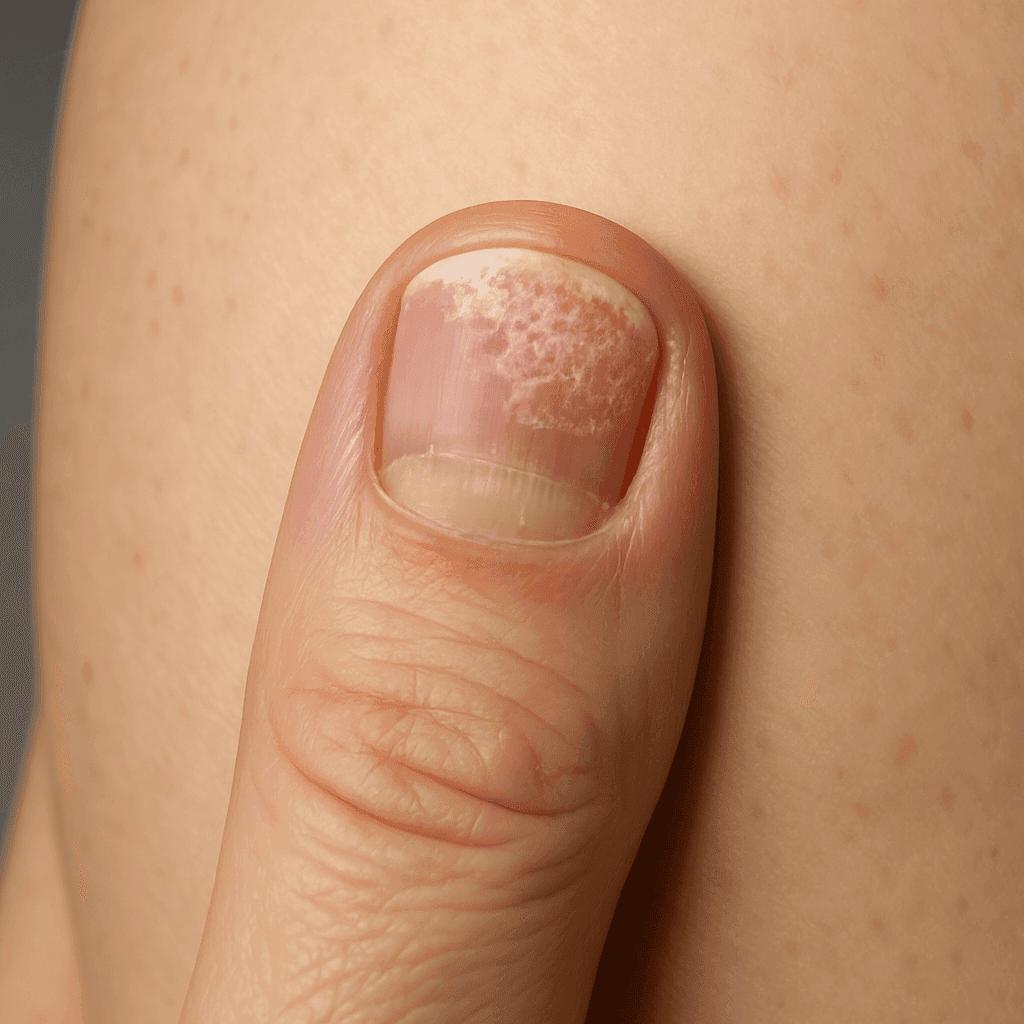
Nail Diseases: Onycholysis, Fungal Infections and Nail Psoriasis
Explore nail diseases, causes, and treatments.
Introduction
Nail diseases, including onycholysis, fungal infections, and nail psoriasis, are common conditions that can affect the appearance and health of your nails. Understanding these conditions is crucial for maintaining healthy nails. Early detection and treatment are essential to prevent further complications and to maintain nail aesthetics and function.
Understanding Onycholysis
What is Onycholysis?
Onycholysis refers to the painless separation of the nail from the nail bed. It can occur on the fingernails or toenails and is often a sign of an underlying condition or damage.
Causes of Onycholysis
Several factors can lead to onycholysis, including trauma, fungal infections, allergies, and certain systemic diseases like thyroid disorders. Understanding the cause is crucial for effective treatment.
Symptoms and Diagnosis
Common symptoms include a white or yellowish discoloration of the nails and detachment from the nail bed. A dermatologist can diagnose onycholysis through a physical examination and, if necessary, laboratory tests.
Treatment Options for Onycholysis
Treatment involves addressing the underlying cause. This may include antifungal medications, avoiding irritants, or treating any systemic health issues. Regular nail care is also beneficial.
Home Remedies and Prevention Tips
Keeping nails dry and clean, using gloves when handling harsh chemicals, and maintaining proper nail hygiene can prevent onycholysis. Home remedies like applying tea tree oil may help, but consultation with a dermatologist is advised.
Fungal Nail Infections
What are Fungal Nail Infections?
Fungal nail infections, or onychomycosis, are caused by fungi that invade the nail bed. These infections can lead to discolored, thickened, and brittle nails.
Common Causes and Risk Factors
Risk factors include warm, moist environments, compromised immune systems, and direct contact with fungal spores. Wearing tight shoes and walking barefoot in communal areas can increase risk.
Identifying Symptoms of Fungal Infections
Symptoms include thickening of the nail, discoloration, and crumbling edges. A healthcare professional can confirm the diagnosis through laboratory testing.
Treatment Strategies for Fungal Nail Infections
Treatment options include oral antifungal medications, topical treatments, and sometimes laser therapy. Consistent application and patience are key, as treatment can take several months.
Preventive Measures and Home Care
Regularly washing and thoroughly drying feet, wearing breathable footwear, and using antifungal sprays can prevent infections. Home remedies like vinegar soaks may provide mild benefits.
Nail Psoriasis
Understanding Nail Psoriasis
Nail psoriasis occurs when psoriasis affects the nails, leading to pitting, discoloration, and sometimes separation of the nail from the nail bed.
Causes and Triggers of Nail Psoriasis
Genetics play a significant role in psoriasis. Triggers can include stress, skin injuries, and certain medications.
Recognizing Symptoms of Nail Psoriasis
Symptoms include pitting, thickening, and discoloration of nails. A dermatologist can diagnose the condition through examination and sometimes biopsy.
Treatment Approaches for Nail Psoriasis
Topical treatments, systemic medications, and phototherapy are common treatments. Biologics may be prescribed for severe cases.
Managing Nail Psoriasis with Lifestyle Changes
Moisturizing nails, avoiding nail trauma, and managing stress can help manage symptoms. Regular dermatological care is advised.
Professional Treatments for Nail Diseases
When to See a Dermatologist
Consult a dermatologist if you notice changes in nail color, thickness, or shape that do not improve with home care. Early intervention can prevent complications.
Available Medical Treatments
Medical treatments may include prescription medications, laser therapy, and in some cases, surgical interventions. Dermatologists may also provide guidance on lifestyle modifications to support nail health.
Innovations in Nail Disease Management
Recent advances include laser treatments and biologic medications that offer new options for managing nail diseases. These treatments are often more targeted and can reduce the need for systemic medications.
FAQs
What are the early signs of nail diseases?
Early signs often include changes in nail color, thickness, and separation from the nail bed. Paying attention to these changes can help in early diagnosis and treatment.
How can I differentiate between onycholysis and nail fungus?
While both conditions can cause nail separation, onycholysis is often caused by trauma or systemic issues, whereas nail fungus involves discoloration and thickening due to fungal infection.
Are there effective home remedies for treating nail diseases?
Home remedies may offer mild relief but are not a substitute for medical treatment. It's important to seek professional advice for persistent or severe symptoms.
What lifestyle changes can help prevent nail diseases?
Maintaining good nail hygiene, wearing protective footwear, and managing underlying health conditions can help prevent nail diseases.
Can nail diseases indicate other health problems?
Yes, changes in nail condition can sometimes indicate systemic health issues such as thyroid disease or diabetes. Regular check-ups with a healthcare provider are recommended.
How often should I consult a dermatologist for nail health?
It's advisable to consult a dermatologist annually or whenever you notice unusual changes in your nails. Early intervention can significantly improve outcomes.