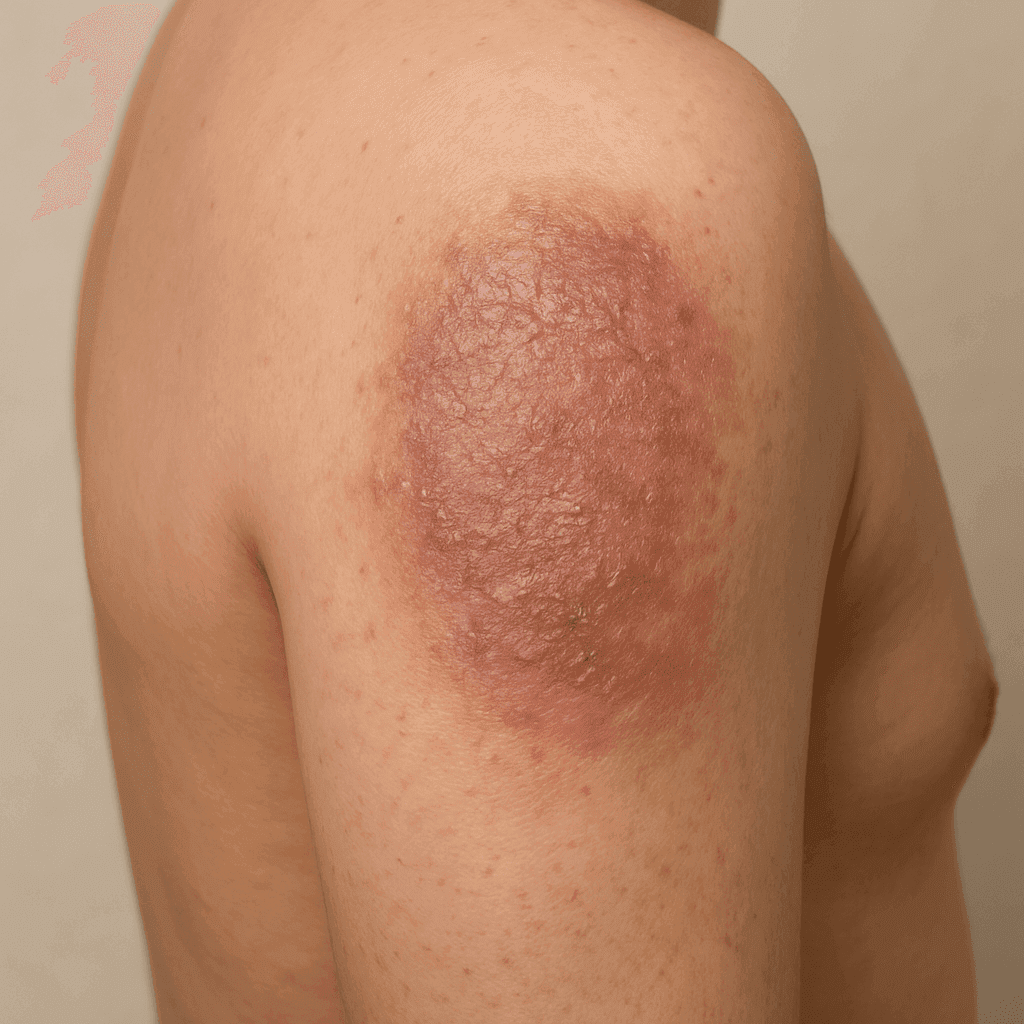
Neurodermatitis (Lichen Simplex): A Chronic Skin Disorder
Understanding and managing neurodermatitis effectively.
Introduction
Neurodermatitis, also known as lichen simplex chronicus, is a common chronic skin disorder characterized by intense itching and thickened patches of skin. It often arises from a cycle of itch-scratch-itch, where scratching further irritates the skin, leading to more itching. Understanding the nature of neurodermatitis is crucial for effective management and improving quality of life for those affected.
What is Neurodermatitis?
Neurodermatitis is a condition marked by thick, scaly patches of skin that are extremely itchy. It typically occurs in areas easily reachable, such as the neck, scalp, ankles, wrists, and forearms. Unlike eczema, which can be widespread, neurodermatitis is usually isolated to one or two areas. This condition is often confused with other skin disorders like psoriasis or eczema, but it is unique in its pattern and the psychological component associated with the itching sensation.
Causes and Risk Factors
Neurodermatitis can be triggered by a variety of factors. Common causes include stress, dry skin, insect bites, or wearing irritating clothing. Individuals with a history of eczema or psoriasis are at higher risk. Stress and anxiety are significant contributors, often exacerbating the itch-scratch cycle. Knowing personal triggers is key to managing and preventing flare-ups.
Symptoms and Diagnosis
The primary symptom of neurodermatitis is an intense itch in a localized area, often leading to thickened, leathery skin. Other symptoms may include redness, scaling, and pigmentation changes. Diagnosis is typically made through a physical examination and medical history. In some cases, a skin biopsy may be performed to rule out other conditions.
Treatment Options
Medical Treatments
Prescription treatments often include corticosteroid creams to reduce inflammation and itching. In severe cases, oral medications such as antihistamines or corticosteroids may be prescribed. Light therapy is another option for resistant cases.
Over-the-Counter Solutions
OTC creams containing hydrocortisone or menthol can provide temporary relief from itching. Moisturizers are essential to keep the skin hydrated and reduce flare-ups.
Natural and Home Remedies
Natural remedies such as aloe vera, oat baths, and coconut oil can soothe the skin. It's important to patch-test any new product before full application to avoid irritation.
Managing Neurodermatitis
Lifestyle and Dietary Modifications
Maintaining a balanced diet and avoiding known allergens can help control symptoms. Regular exercise and sufficient hydration are also beneficial.
Stress Management Techniques
Stress reduction techniques such as meditation, yoga, or deep-breathing exercises can be effective in breaking the itch-scratch cycle.
Skin Care Tips and Routines
A regular skincare routine that includes gentle cleansing and daily moisturizing is crucial. Avoiding harsh soaps and hot showers can prevent skin from drying out further.
Neurodermatitis and Mental Health
The chronic itching associated with neurodermatitis can significantly impact mental health, leading to anxiety and depression. Cognitive-behavioral therapy (CBT) is a valuable tool for managing the psychological effects. Support groups and counseling can also provide assistance and coping strategies.
Prevention of Flare-Ups
Tips for Preventing Exacerbations
Avoiding known triggers such as stress, certain foods, and irritants is key. Regularly moisturizing and wearing comfortable clothing can also help.
Role of Allergen Avoidance
Identifying and avoiding allergens can prevent flare-ups. Allergy testing may be beneficial in pinpointing specific triggers.
When to See a Dermatologist
If symptoms persist despite home care, or if the skin becomes infected, it is important to consult a dermatologist. During a dermatology consultation, a comprehensive treatment plan will be tailored to your specific needs, possibly including photo analysis and online consultations.
Frequently Asked Questions
What triggers neurodermatitis flare-ups?
Common triggers include stress, skin injuries, and certain fabrics. Identifying and avoiding these triggers is crucial.
Can neurodermatitis be cured?
Neurodermatitis is a chronic condition, but symptoms can be effectively managed with appropriate treatment.
Are there any effective home remedies for neurodermatitis?
Natural treatments such as aloe vera and coconut oil can be soothing, but effectiveness varies.
How is neurodermatitis different from eczema?
While both cause itching, neurodermatitis usually affects localized areas and results from the itch-scratch cycle.
Is neurodermatitis related to stress?
Yes, stress can worsen the condition, making stress management an important part of treatment.
What are the best creams for managing neurodermatitis?
Topical corticosteroids and moisturizers are commonly recommended. Consult a dermatologist for personalized advice.