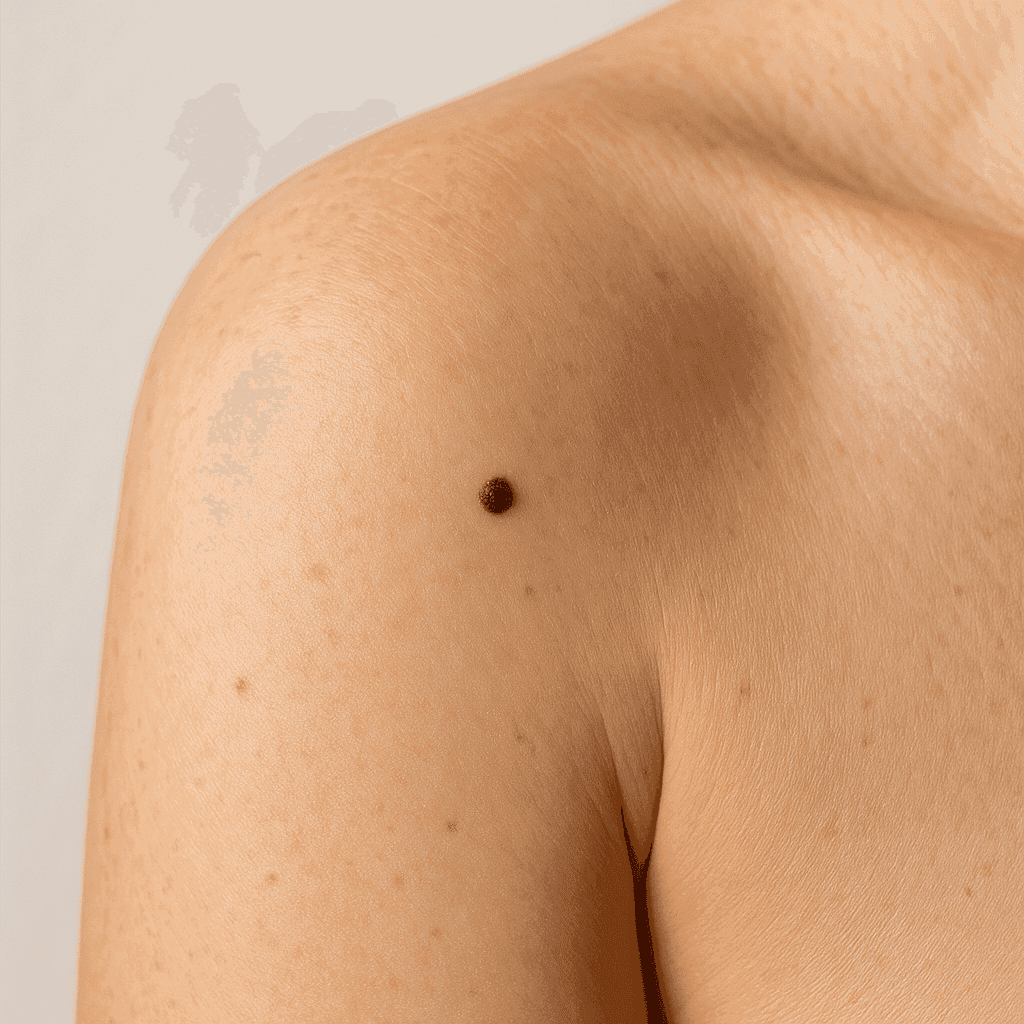
New Mole on the Skin – When Should You Worry?
Identifying concerning changes in moles.
Introduction
Moles, or nevi, are common skin growths that can appear anywhere on the body. While most moles are benign, it's essential to monitor them for any changes, as they can sometimes indicate skin cancer. Understanding when to worry about a new mole is crucial for early detection and treatment of potential problems.
Understanding Moles
Moles are clusters of pigmented cells and are typically brown or black. They can be flat or raised and vary in size. There are several types of moles, including congenital nevi, which are present at birth, and common moles, which develop over time. Dysplastic nevi, or atypical moles, may look different from common moles and can pose a higher risk of developing into melanoma.
When to Worry About a New Mole
Changes in Color
A mole that changes color, especially if it becomes darker or has multiple colors, should be evaluated by a dermatologist. These changes can sometimes indicate melanoma, the most severe form of skin cancer.
Changes in Size or Shape
Moles that grow rapidly or change shape can be concerning. A mole that becomes asymmetrical or has irregular borders may need further examination.
Itching, Bleeding, or Pain
If a mole starts to itch, bleed, or become painful, it could be a sign of an underlying issue. Such symptoms warrant a prompt visit to a dermatologist for evaluation.
The ABCDE Rule for Moles
Dermatologists use the ABCDE rule to assess moles for signs of melanoma.
A – Asymmetry
A mole is asymmetrical if one half does not match the other. Asymmetry can be a warning sign of skin cancer.
B – Border
Look for moles with irregular, blurred, or jagged borders. These might require professional evaluation.
C – Color
A mole with multiple colors or an uneven distribution of color may be suspicious. Consistent color is typical for benign moles.
D – Diameter
Moles larger than 6mm in diameter, about the size of a pencil eraser, should be checked, although melanomas can be smaller.
E – Evolving
Any change in size, shape, color, or elevation, or new symptoms like bleeding or itching, suggests the need for evaluation.
Risk Factors for Melanoma
Certain factors can increase the risk of developing melanoma:
- Genetic predisposition: A family history of melanoma increases risk.
- Sun exposure and UV radiation: Excessive exposure to UV rays from the sun or tanning beds can damage skin cells.
- Skin type and mole count: Individuals with fair skin, light hair, or numerous moles are at higher risk.
When to See a Dermatologist
It's crucial to seek professional advice if you notice suspicious changes in a mole. Expect a thorough skin examination during a dermatologist's visit, possibly followed by a biopsy if any moles appear unusual. Dermatologists may also offer online consultations or photo reviews as initial steps.
Mole Diagnosis and Treatment Options
Skin examination and biopsy
A dermatologist may perform a biopsy, removing a small tissue sample for analysis, to diagnose suspicious moles. This is a quick procedure done under local anesthesia.
Treatment options for suspicious moles
If a mole is found to be cancerous, options include surgical removal, laser treatment, or topical medications. Treatment depends on the mole's type, size, and location.
Prevention and Monitoring
Regularly examine your skin for new moles or changes in existing ones. Use the ABCDE rule as a guideline and take photos to track changes over time. Preventative measures include wearing sunscreen, avoiding peak sun hours, and wearing protective clothing.
Frequently Asked Questions
- What are the signs that a mole might be cancerous? Changes in size, shape, color, or symptoms like itching or bleeding.
- How often should I check my moles? Perform a self-exam monthly, and see a dermatologist annually.
- Can moles change during pregnancy? Yes, hormonal changes can affect moles, but any significant changes should be checked by a doctor.
- Is it safe to remove a mole at home? No, mole removal should be done by a professional to ensure safety and proper analysis.
- What should I expect during a mole biopsy? A quick procedure under local anesthesia, where a small sample is taken for lab analysis.
- Are all new moles a cause for concern? Not necessarily, but new moles should be monitored for changes.