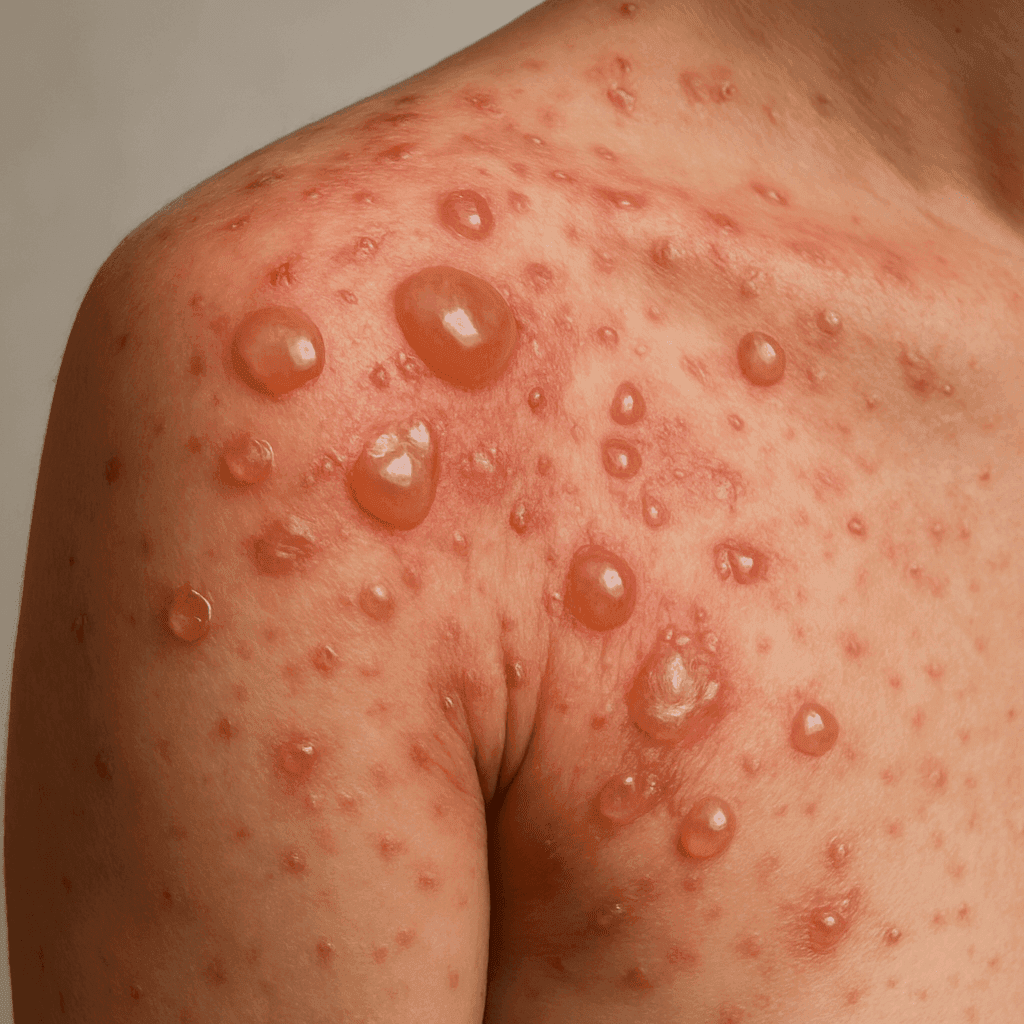
Pemphigus: An Autoimmune Blistering Disease
Understanding pemphigus and its management.
Introduction
Pemphigus is a group of rare autoimmune blistering diseases that affect the skin and mucous membranes. The condition is characterized by the formation of blisters and erosions on the skin, which can significantly impact a patient's quality of life. Understanding the nature of pemphigus, its causes, symptoms, and treatment options is crucial for patients and healthcare providers alike. This article delves into various aspects of pemphigus, including its types, risk factors, and management strategies.
What is Pemphigus?
Pemphigus is an autoimmune disorder where the body's immune system mistakenly attacks healthy cells in the skin and mucous membranes. There are several types of pemphigus, with Pemphigus Vulgaris and Pemphigus Foliaceus being the most common. Pemphigus Vulgaris primarily affects the mucous membranes and skin, while Pemphigus Foliaceus mainly involves the skin's surface layers.
Types of Pemphigus
- Pemphigus Vulgaris: This type typically begins with blisters in the mouth, progressing to the skin.
- Pemphigus Foliaceus: Characterized by superficial blisters on the scalp, face, and chest.
Causes and Risk Factors
The exact cause of pemphigus is not entirely understood, but it is believed to involve a combination of genetic and environmental factors. Certain genes may predispose individuals to develop pemphigus, particularly in families with a history of autoimmune diseases.
Environmental Triggers
Environmental factors such as certain medications, stress, and exposure to specific chemicals may trigger the onset of pemphigus or exacerbate existing symptoms. Identifying and avoiding these triggers can be a crucial part of managing the disease.
Symptoms and Signs
The symptoms of pemphigus vary depending on the type and severity of the disease. Common symptoms include painful blisters and erosions on the skin and mucous membranes. These blisters are fragile and can rupture easily, leading to open sores that may become infected.
Differences Between Types
- Pemphigus Vulgaris: Blisters often start in the mouth and may spread to the skin.
- Pemphigus Foliaceus: Affects the skin's outer layer, leading to crusty sores.
Diagnosis
Diagnosing pemphigus involves a thorough clinical examination by a dermatologist, often followed by laboratory tests and a skin biopsy. A biopsy helps confirm the diagnosis by showing the presence of antibodies that attack skin cells.
Laboratory Tests
Blood tests can detect antibodies that are often present in pemphigus patients. Direct immunofluorescence, used on biopsy samples, is a key diagnostic tool that highlights specific antibodies in the skin.
Treatment Options
The primary goal of treating pemphigus is to reduce blister formation and promote healing of existing lesions. Corticosteroids and immunosuppressive agents are commonly used to control the immune response and reduce inflammation.
Emerging Therapies
Recent research has explored new therapies, including biologics that specifically target immune pathways involved in pemphigus. While these treatments show promise, they are typically used in cases where traditional therapies are ineffective.
Living with Pemphigus
Managing pemphigus involves regular monitoring and adapting lifestyle choices to reduce flare-ups. Patients are encouraged to work closely with healthcare providers to create a comprehensive management plan.
Support Systems
Joining support groups can provide emotional support and practical advice from others with similar experiences. Online resources and patient organizations offer valuable information and community connections.
Pemphigus and Oral Health
Oral involvement in pemphigus can lead to significant discomfort and complications. Blisters in the mouth can make eating and oral hygiene challenging.
Oral Care Recommendations
Patients should maintain good oral hygiene and seek regular dental care. Using a soft-bristled toothbrush and avoiding spicy or acidic foods can help minimize discomfort and prevent further irritation.
Prognosis and Long-term Management
The prognosis for pemphigus varies depending on the type and response to treatment. With appropriate management, many patients achieve disease control and lead fulfilling lives.
Monitoring and Follow-up
Regular follow-up care is essential to monitor disease activity and adjust treatment plans as needed. Patients are encouraged to communicate any new symptoms or concerns promptly to their healthcare provider.
Pemphigus vs. Bullous Pemphigoid
While both pemphigus and bullous pemphigoid are autoimmune blistering diseases, they differ in their underlying mechanisms and clinical presentations. Pemphigus involves antibodies attacking the skin's cellular connections, while bullous pemphigoid targets the basement membrane below the outer skin layer.
FAQs About Pemphigus
-
What is the main cause of pemphigus?
While the exact cause is unknown, a combination of genetic and environmental factors is believed to trigger the disease. -
How is pemphigus diagnosed?
Diagnosis typically involves a clinical examination, biopsy, and blood tests to detect specific antibodies. -
Can pemphigus be cured?
There is no cure, but the disease can be managed effectively with treatment. -
What are the side effects of pemphigus treatments?
Common side effects include increased risk of infection and side effects associated with long-term use of corticosteroids. -
How can I prevent pemphigus flare-ups?
Avoid known triggers and follow a treatment plan as advised by healthcare providers. -
Is pemphigus hereditary?
A genetic predisposition is possible, but not all cases are hereditary.