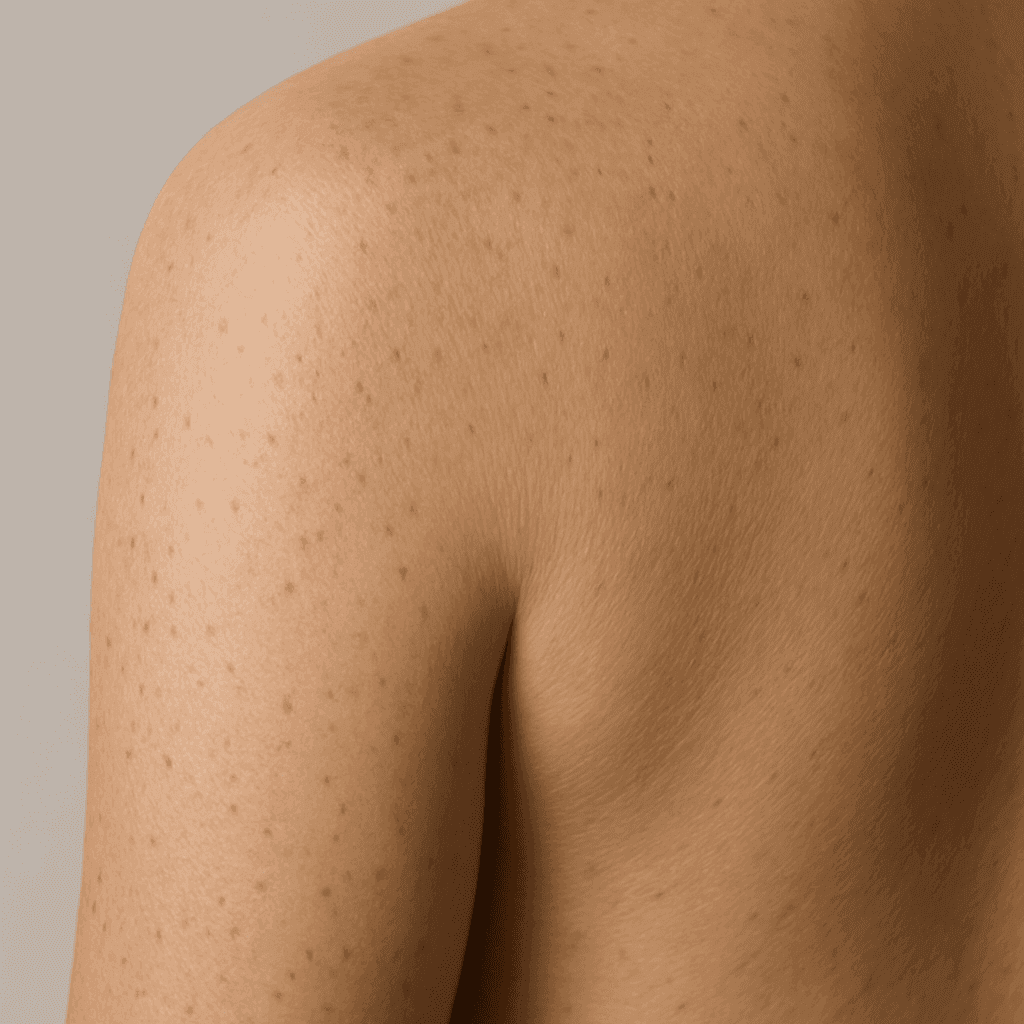
Peptides in Cosmetics – Do They Work?
Exploring peptides in skincare.
Introduction
Peptides have become a buzzword in the cosmetics industry, touted for their potential skin-enhancing benefits. These short chains of amino acids are the building blocks of proteins, playing a crucial role in various biological functions, including skin health. In skincare, peptides are celebrated for their ability to improve skin texture, elasticity, and firmness, making them a popular choice for anti-aging products. Understanding how peptides work and their benefits can help you make informed decisions about incorporating them into your skincare routine.
What are Peptides?
Peptides are small molecules composed of amino acids linked by peptide bonds. They are fundamental in the human body, influencing a myriad of biological processes. As proteins' building blocks, peptides are essential for maintaining the skin's structural integrity. In the context of skincare, peptides can signal the skin to boost collagen production, repair damage, and enhance hydration. Their small size allows them to penetrate the skin's outer layer, making them effective agents in topical skincare formulations.
How Do Peptides Work in Cosmetics?
Peptides work by interacting with skin cells to promote healing and regeneration. When applied topically, these molecules can penetrate the skin surface to send signals that stimulate collagen production and encourage skin repair. This process helps reduce the appearance of fine lines and wrinkles, contributing to a more youthful complexion. Peptides also have moisturizing properties, enhancing the skin barrier function and improving overall skin health. Their ability to communicate with skin cells makes them versatile and beneficial in various skincare products.
Benefits of Peptides in Skincare
Peptides are renowned for their anti-aging benefits, primarily due to their ability to support collagen production. As we age, natural collagen levels decline, leading to sagging and wrinkles. Peptides help mitigate these effects by encouraging collagen synthesis, improving skin elasticity and firmness. Additionally, peptides can enhance skin hydration, making them suitable for those with dry or dehydrated skin. By promoting a healthy skin barrier, peptides aid in protecting the skin from environmental stressors and potential irritants.
Types of Peptides Used in Skincare
Different peptides serve various functions in skincare. Signal peptides stimulate collagen production and skin repair. Carrier peptides deliver essential minerals to the skin, aiding in wound healing and enzyme function. Enzyme inhibitor peptides prevent the breakdown of collagen, preserving skin structure. Neurotransmitter-affecting peptides reduce muscle contractions, potentially minimizing expression lines. Understanding these types can help you choose the right peptide-infused products for your skincare needs.
Comparing Peptides with Other Skincare Ingredients
Peptides are often compared to other anti-aging ingredients like retinol and vitamin C. Peptides vs Retinol: While both enhance skin texture and reduce signs of aging, peptides are generally more gentle, making them suitable for sensitive skin. Retinol, however, is renowned for its powerful exfoliating properties. Peptides vs Vitamin C: Vitamin C is an antioxidant that brightens the skin and reduces pigmentation, while peptides focus on strengthening skin structure. Combining these ingredients can offer comprehensive skincare benefits.
How to Incorporate Peptides into Your Skincare Routine
To effectively incorporate peptides, choose products that suit your skin type and concerns. Peptide serums and creams are popular as they can be layered with other treatments. Apply peptide products after cleansing and before moisturizing. Use them consistently, as benefits may take several weeks to become apparent. For optimal results, follow these tips:
- Use peptide products consistently.
- Avoid mixing with exfoliants to prevent irritation.
- Pair with sunscreen to protect collagen production.
Potential Side Effects and Safety of Peptides
Peptides are generally considered safe for most skin types, including sensitive skin. However, as with any skincare ingredient, there's a possibility of irritation or allergic reaction, especially if you have sensitive skin. To minimize risks, perform a patch test before full application. If irritation occurs, discontinue use and consult with a dermatologist. Safety should always be a priority, ensuring that any new product fits well within your overall skincare regimen.
Conclusion
Peptides offer promising benefits in cosmetic formulations, particularly for anti-aging and skin rejuvenation. While not a miracle cure, they provide a valuable tool in maintaining youthful, healthy skin. As research continues, the potential applications of peptides in dermatology may expand, offering new ways to enhance skin health. Always consult with a dermatologist for personalized skincare advice, especially when integrating new ingredients into your routine.