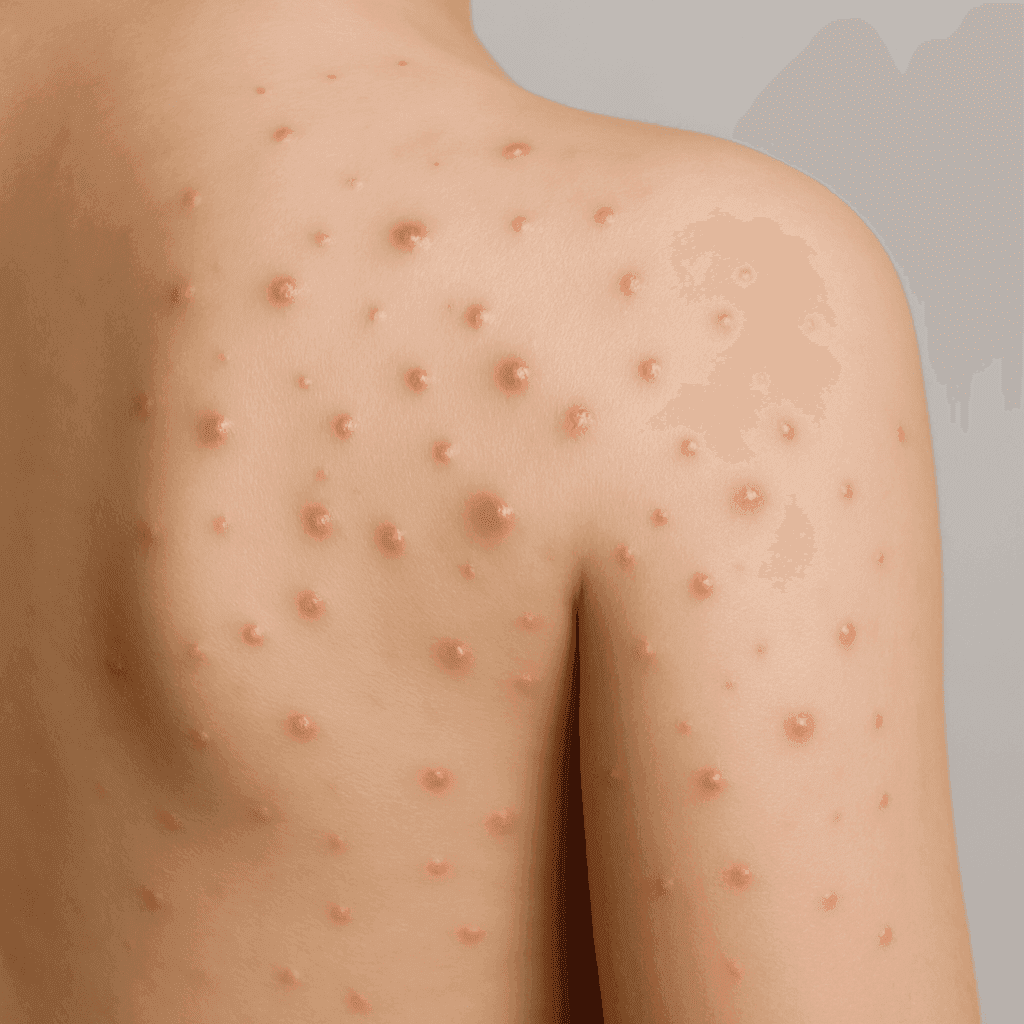
Pimples on a Child’s Skin – When to See a Doctor
Learn about child skin changes and when to consult a doctor.
Introduction
Children's skin undergoes various changes as they grow, and the appearance of pimples can be a common occurrence. While often benign, these skin changes can be a source of concern for parents. Understanding when to worry about pimples on your child's skin and when to consult a healthcare professional is crucial for maintaining their skin health.
Understanding Pimples in Children
Pimples, also known as acne, are small skin lesions or inflammations of the skin. In children, they typically appear as red, raised bumps that can sometimes be filled with pus. While acne is more commonly associated with adolescents, it can also occur in younger children. Understanding the nature and prevalence of acne in children helps parents distinguish normal skin changes from those that require attention.
Causes of Pimples on a Child's Skin
Hormonal Changes
Hormonal fluctuations are a leading cause of pimples, even in children. As children grow, their bodies may produce more androgens, which can stimulate oil glands and lead to acne.
Diet and Lifestyle Factors
Diet can impact skin health. High sugar intake and processed foods may contribute to acne. Encouraging a balanced diet rich in fruits and vegetables is beneficial.
Genetic Predisposition
Genetics can play a significant role. If parents had acne, children might have a higher likelihood of developing it.
Environmental Factors
External factors such as pollution, humidity, and skin irritants can exacerbate or contribute to the development of pimples.
When to Worry About Pimples on Children
Signs of Severe Acne
While most pimples are mild, signs of severe acne include large, inflamed cysts or nodules that can be painful and leave scars. If your child experiences these, it might be time to consult a dermatologist.
Persistent or Worsening Symptoms
If pimples persist for several months without improvement, or if they worsen despite home care, medical advice should be sought.
Accompanying Symptoms
Watch for symptoms such as fever, fatigue, or extensive skin irritation, which may require immediate medical attention.
Treatment Options for Pediatric Acne
Over-the-Counter Treatments
Mild acne can often be treated with over-the-counter products containing benzoyl peroxide or salicylic acid. Always ensure these are suitable for children's skin.
Prescription Medications
In cases of moderate to severe acne, a doctor may prescribe topical or oral medications.
Natural and Home Remedies
Some parents opt for natural remedies such as tea tree oil or aloe vera. However, these should be used cautiously and under guidance to avoid skin irritation.
Preventive Measures and Skin Care Routine
Daily Skin Care Tips for Children
A consistent skincare routine can help prevent acne. This includes gentle cleansing, moisturizing, and applying sunscreen daily.
Preventing Acne Flare-Ups
Avoid harsh scrubbing and over-washing, which can irritate the skin and worsen acne.
Importance of a Balanced Diet
Encourage a diet with plenty of water, fresh fruits, and vegetables to support skin health and prevent acne.
When to Consult a Pediatric Dermatologist
Criteria for Seeking Professional Help
Consult a dermatologist if acne persists despite home treatments, or if it affects your child's self-esteem and social interactions.
What to Expect During a Dermatology Visit
The dermatologist will evaluate your child's skin and may suggest treatments or lifestyle changes. They might also recommend follow-up appointments to monitor progress.
Conclusion
Monitoring and addressing skin issues early can prevent complications and promote healthy skin. Understanding the causes and treatments of pimples in children empowers parents to make informed decisions. Always seek professional advice when in doubt, and prioritize your child's skin health.
FAQs
What causes pimples on a child's skin?
Pimples can be caused by hormonal changes, diet, genetics, and environmental factors.
Are pimples in children different from adult acne?
Yes, pimples in children can differ in severity and underlying causes compared to adults.
How can I help my child prevent pimples?
Maintain a gentle skincare routine, encourage a balanced diet, and avoid skin irritants.
When should I take my child to a doctor for pimples?
Seek medical advice if pimples persist, worsen, or affect your child's well-being.
Are there safe home remedies for treating my child's pimples?
Natural remedies like aloe vera can be safe but should be used cautiously.
Can diet affect my child's skin health?
Yes, a diet high in sugar and processed foods can contribute to acne.