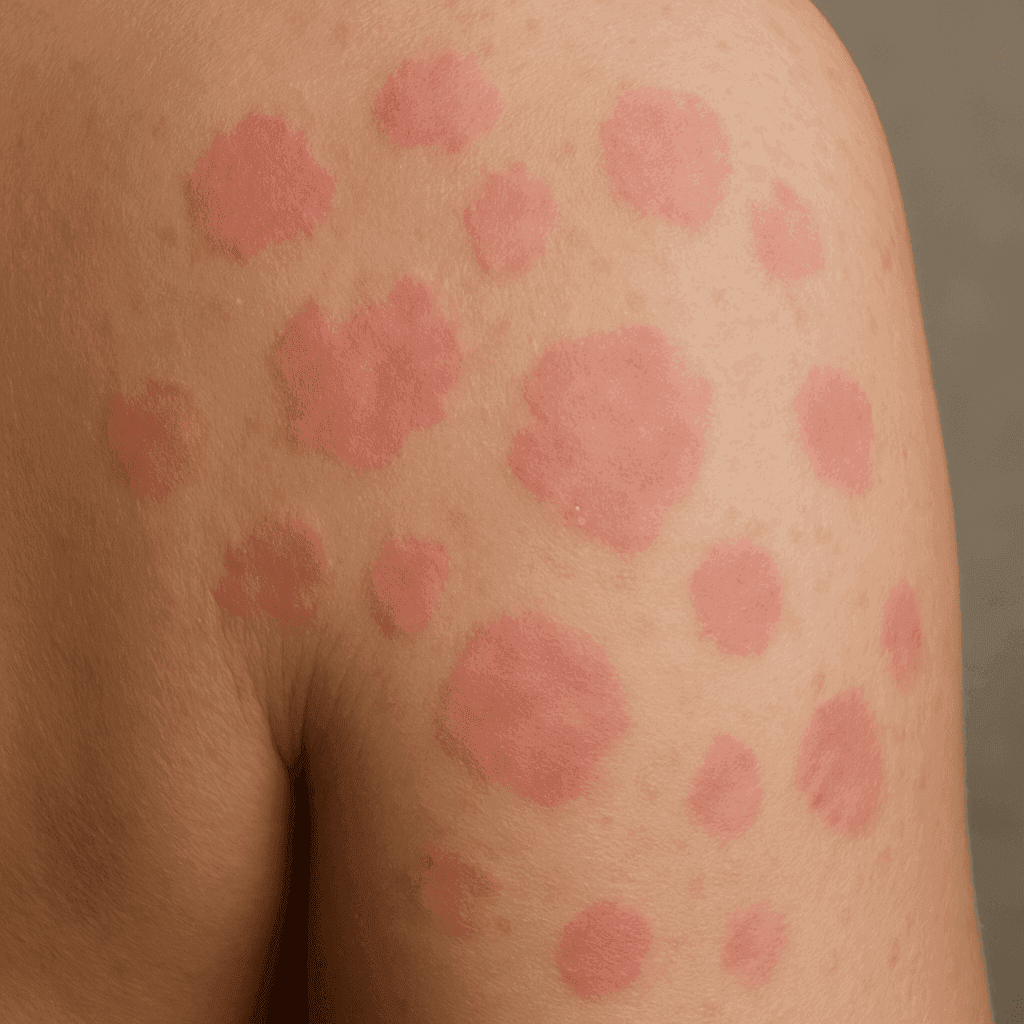
Pink Patches on the Skin: What Do They Mean?
Understanding causes and treatments of pink skin patches.
Introduction
Skin health is a vital aspect of overall well-being, and changes in skin appearance can often lead to concerns. Among these changes, the appearance of pink patches on the skin is relatively common and can arise from a variety of causes. Understanding the potential reasons behind these patches, along with recognizing when to seek professional advice, is crucial for maintaining healthy skin.
What Are Pink Patches on the Skin?
Pink patches on the skin refer to areas that exhibit a distinct pink coloration, which can vary in size and shape. These patches may appear suddenly or develop gradually and can be smooth, scaly, or itchy. While they are often benign, their presence can sometimes indicate underlying health issues that require attention.
Causes of Pink Patches on the Skin
Allergies and Irritants
Exposure to allergens or irritants is a common cause of pink patches. This can include contact with certain plants, chemicals, or even certain fabrics that provoke a skin reaction. These patches often resolve once the irritant is removed.
Autoimmune Conditions
Some autoimmune diseases, such as lupus or psoriasis, can manifest as pink patches on the skin. These conditions occur when the body's immune system mistakenly attacks healthy skin cells, leading to inflammation and discoloration.
Skin Infections
Bacterial, viral, or fungal infections can also result in pink patches. Conditions like ringworm or impetigo are examples where infections lead to noticeable changes in skin color and texture.
Skin Cancer and Precancerous Conditions
While less common, pink patches can sometimes be an early indicator of skin cancer or precancerous changes. It is important to monitor these patches and consult a dermatologist if they change in size, shape, or color.
Diagnosing Pink Patches
When to Consult a Dermatologist
It is advisable to seek professional advice if pink patches persist, worsen, or are accompanied by other symptoms such as pain or bleeding. A dermatologist can provide a thorough examination and may recommend further tests.
Diagnostic Tests and Procedures
A dermatologist may perform a skin biopsy, patch testing, or blood tests to determine the underlying cause of pink patches. These tests help in identifying whether an autoimmune disorder, infection, or other condition is responsible.
Importance of Medical History and Physical Examination
A comprehensive medical history and physical examination are critical in diagnosing the cause of pink patches. This information helps the dermatologist understand potential triggers and underlying health issues.
Treatment Options for Pink Patches
Medical Treatments
- Topical Medications: Creams and ointments containing corticosteroids or other active ingredients can reduce inflammation and promote healing.
- Systemic Treatments: In cases of autoimmune conditions, systemic medications may be prescribed to control immune responses.
- Phototherapy: Light therapy can be effective for conditions like psoriasis, reducing the appearance of pink patches.
Home Remedies and Lifestyle Changes
- Skincare Routines: Regular moisturizing and gentle skin care can prevent irritation.
- Dietary Adjustments: A balanced diet rich in anti-inflammatory foods might help manage symptoms.
Prevention of Pink Patches
Sun Protection Measures
Using sunscreen and wearing protective clothing can prevent sun-induced pink patches, reducing the risk of skin cancer.
Avoiding Known Allergens and Irritants
Identifying and avoiding exposure to known allergens and irritants can prevent the occurrence of pink patches.
Regular Skin Checks and Monitoring
Routine skin examinations, both self-checks and professional evaluations, can help detect any changes early, allowing for timely intervention.
Pink Patches in Children vs. Adults
Differences in Causes and Treatments
In children, pink patches are often due to conditions like eczema or viral rashes, whereas in adults, they may be more likely related to sun exposure or chronic skin conditions.
Special Considerations for Pediatric Patients
Children's skin is more sensitive, necessitating gentle treatment approaches and careful monitoring for any adverse reactions. Consulting a pediatric dermatologist is recommended for persistent or concerning patches.
When to Seek Medical Attention
Warning Signs and Symptoms
Seek medical advice if pink patches are accompanied by symptoms like severe itching, rapid changes in appearance, or if they do not improve with initial treatment.
Importance of Early Detection and Treatment
Early detection and management can prevent complications and improve outcomes, especially if the patches are linked to serious conditions like skin cancer.
Conclusion
In summary, while pink patches on the skin are often benign, understanding their potential causes and seeking medical advice when necessary is important for maintaining skin health. Early intervention and appropriate treatment can effectively manage the underlying causes and improve skin appearance. Always consult a healthcare provider for persistent or concerning skin changes.