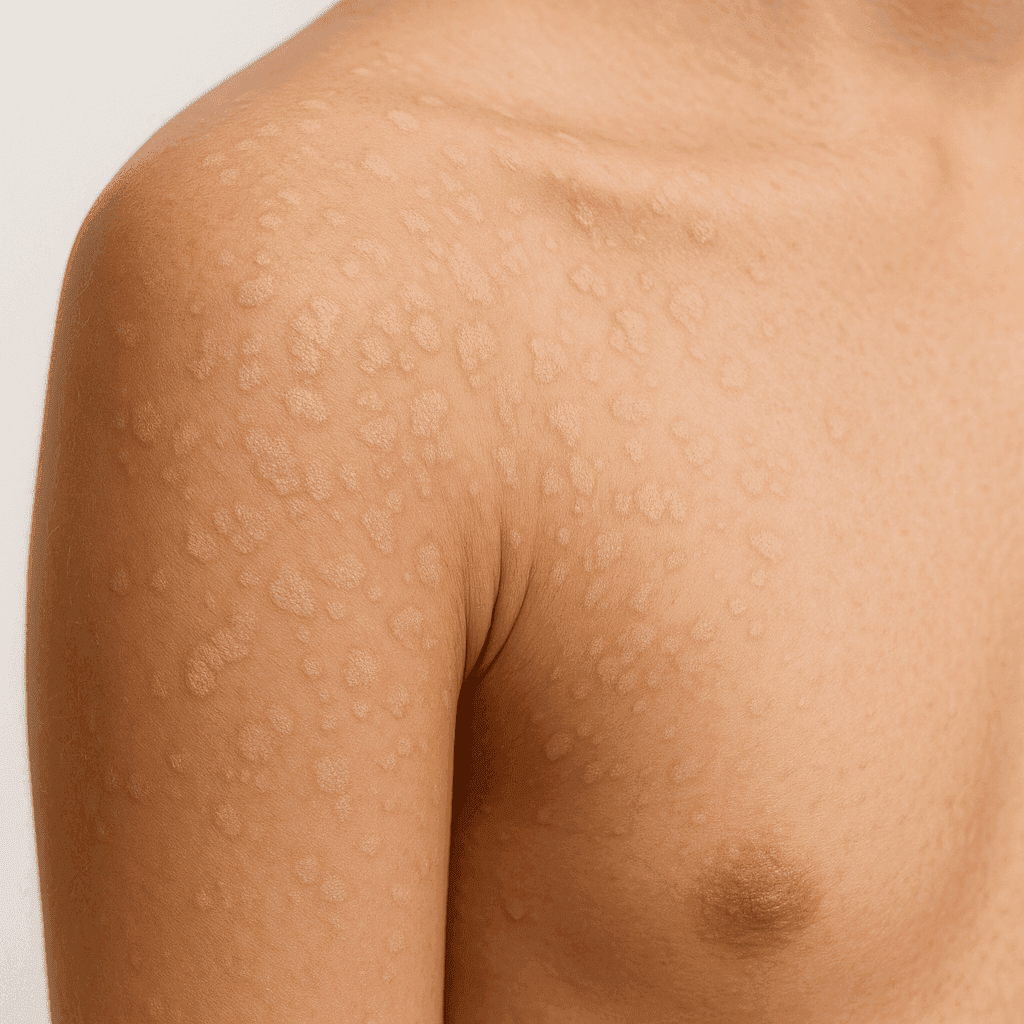
Pityriasis Versicolor: Causes and Home Remedies
Explore causes and remedies for pityriasis versicolor.
Introduction
Pityriasis versicolor, also known as tinea versicolor, is a common skin condition that affects many individuals worldwide. It is caused by an overgrowth of yeast on the skin, leading to discolored patches that can be lighter or darker than the surrounding skin. Understanding the causes and available remedies for this condition is crucial for effective management and prevention.
In this article, we will delve into the details of pityriasis versicolor, exploring its causes, symptoms, and a range of home remedies that may help manage and alleviate the condition. While these remedies can be beneficial, it is important to note that they should not replace professional medical advice or treatment.
What is Pityriasis Versicolor?
Pityriasis versicolor is a fungal infection of the skin caused by an overgrowth of yeast that is naturally present on the skin. This condition is characterized by patches of skin that differ in color from the surrounding areas. These patches can appear on various parts of the body, including the chest, back, neck, and arms.
Common Symptoms and Signs
The primary symptom of pityriasis versicolor is skin discoloration. Affected areas may appear as white, pink, red, or brown patches, and the skin may become dry and scaly. The condition is not painful, but it can cause mild itching. In some cases, the patches become more noticeable after sun exposure, as the surrounding skin tans while the affected areas remain unchanged.
Causes of Pityriasis Versicolor
The primary cause of pityriasis versicolor is the overgrowth of a yeast called Malassezia, which is naturally found on the skin. Certain factors can trigger this overgrowth, leading to the development of the condition.
Fungal Overgrowth
The yeast thrives in warm, moist environments, which is why pityriasis versicolor is more common in tropical and subtropical climates. Factors such as excessive sweating, oily skin, and a weakened immune system can contribute to fungal overgrowth.
Risk Factors and Triggers
- Environmental influences: Hot and humid weather can exacerbate the condition.
- Lifestyle factors: Poor hygiene, tight clothing, and excessive use of oily skin products can increase risk.
- Health conditions: Individuals with diabetes or other immune-compromising conditions may be more susceptible.
Diagnosis
Diagnosing pityriasis versicolor typically involves a physical examination by a healthcare provider. A doctor may use a Wood's lamp, which emits ultraviolet light, to examine the affected skin. The yeast causing the condition will fluoresce under this light.
Importance of Medical Consultation
While home remedies can be helpful, it is important to seek medical advice to confirm the diagnosis and rule out other skin conditions. A healthcare provider may take a skin scraping to analyze under a microscope, ensuring an accurate diagnosis and appropriate treatment plan.
Home Remedies for Pityriasis Versicolor
Many individuals seek natural treatments to manage pityriasis versicolor, as they can be effective and gentle on the skin. Home remedies focus on reducing yeast overgrowth and alleviating symptoms.
Topical Treatments
- Coconut oil: Known for its antifungal properties, coconut oil can be applied directly to the affected areas to help reduce yeast growth.
- Tea tree oil: With natural antifungal and antibacterial properties, tea tree oil can be diluted with a carrier oil and applied to the skin.
- Aloe vera gel: This soothing gel can help to alleviate itching and dryness associated with pityriasis versicolor.
These treatments may be applied once or twice daily, but it's essential to perform a patch test to check for any adverse reactions.
Dietary Changes
Diet can play a role in managing skin health and preventing recurrences of pityriasis versicolor.
- Foods to include: Incorporate probiotics like yogurt and fermented foods to support a healthy balance of skin flora.
- Foods to avoid: Reduce intake of sugary foods and refined carbohydrates, which can promote yeast growth.
Lifestyle Adjustments
- Hygiene: Regular bathing and keeping the skin dry can prevent excess moisture that promotes yeast growth.
- Clothing: Wear loose-fitting, breathable fabrics to reduce sweating and irritation.
- Sun exposure: Use sunscreen to protect against further discoloration and prevent patches from becoming more pronounced.
Over-the-Counter Treatments
In addition to home remedies, over-the-counter antifungal treatments can be effective in managing pityriasis versicolor. These products are available in creams, lotions, and shampoos.
Usage Instructions and Precautions
- Antifungal creams: Apply as directed, usually once or twice daily, to the affected areas.
- Shampoos: Use antifungal shampoos on the scalp and body as a wash, leaving it on for 5–10 minutes before rinsing.
Always follow the manufacturer's instructions and consult with a healthcare provider if symptoms persist or worsen.
Prevention Tips
Preventing pityriasis versicolor involves adopting certain daily habits and long-term skin care strategies.
- Daily habits: Maintain good personal hygiene and avoid sharing towels or clothing with others.
- Skin care: Use antifungal body washes if you are prone to recurrences.
- Avoid triggers: Stay cool and dry, particularly in hot and humid environments.
When to See a Doctor
It is essential to consult a healthcare provider if home remedies and over-the-counter treatments do not improve the condition or if it worsens. Medical treatments may include prescription-strength antifungal medications or other therapies tailored to your specific needs.
Conclusion
Managing pityriasis versicolor requires a combination of effective home remedies, lifestyle adjustments, and, when necessary, medical treatments. By understanding the causes and taking proactive steps, individuals can improve their skin health and prevent future occurrences.
Frequently Asked Questions
What is the fastest way to cure pityriasis versicolor?
While there is no "fastest" way, combining antifungal treatments with lifestyle changes can improve results.
Can pityriasis versicolor go away on its own?
In some cases, it may resolve without treatment, but recurrence is common without proper management.
Are there any side effects of using home remedies?
Home remedies are generally safe, but it's important to perform a patch test to avoid allergic reactions.
How can I prevent pityriasis versicolor from coming back?
Adopting preventive measures such as maintaining hygiene and using antifungal products can help.
Is pityriasis versicolor contagious?
No, pityriasis versicolor is not contagious and cannot be spread from person to person.
Can diet affect the recurrence of pityriasis versicolor?
Yes, a balanced diet that reduces yeast-promoting foods can help manage and prevent recurrences.