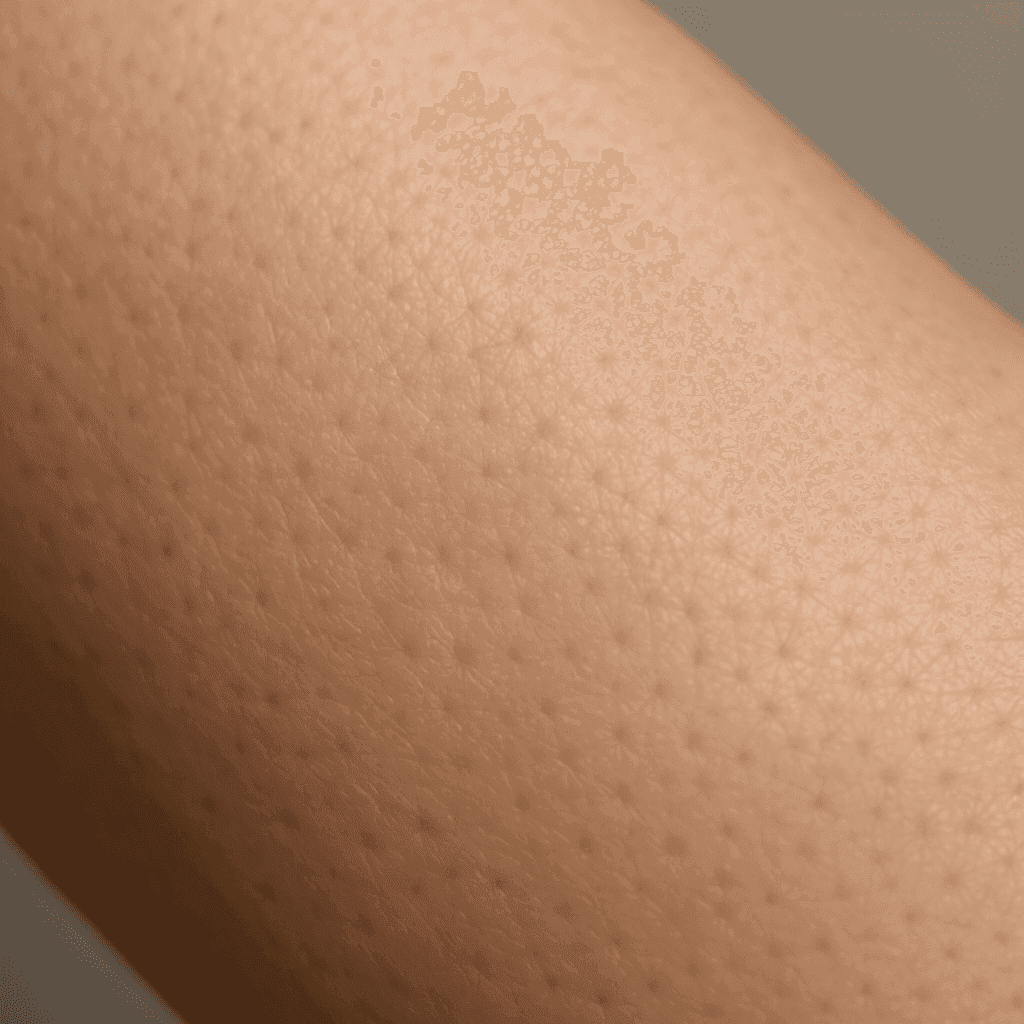
Plantar Warts – How to Remove Them
Guide to plantar wart removal and prevention.
Introduction
Plantar warts are a common foot condition caused by the human papillomavirus (HPV). These warts can be painful and often make walking uncomfortable. Understanding how to effectively remove plantar warts and prevent their recurrence is crucial for maintaining foot health. In this article, we will explore various treatment options, preventive measures, and when to seek medical advice.
What are Plantar Warts?
Plantar warts are non-cancerous growths that typically appear on the soles of the feet. They are caused by certain strains of HPV that enter the skin through small cuts or abrasions. These warts may appear as rough, grainy lesions, often with small black dots. Unlike calluses, plantar warts can be painful when pressure is applied.
Symptoms and Appearance
Plantar warts are characterized by:
- A small, rough growth on the bottom of the foot
- Black pinpoints, which are tiny, clotted blood vessels
- Pain or tenderness when walking or standing
- Interruptions in the natural lines of the skin of the foot
Diagnosis of Plantar Warts
While some plantar warts can be identified at home, it is advisable to consult a healthcare professional for a proper diagnosis. A doctor will typically examine the wart and may trim it to check for dark pinpoint dots or perform a biopsy to rule out other skin conditions.
When to See a Doctor
You should see a doctor if:
- The wart is painful or changes in appearance
- You have diabetes or a weakened immune system
- Over-the-counter treatments do not work after several weeks
Treatment Options for Plantar Warts
There are several methods to treat plantar warts, ranging from home remedies to medical interventions.
Over-the-Counter Treatments
Salicylic acid is commonly used to treat warts. It works by exfoliating infected skin cells. Other topical treatments include pads and ointments that gradually remove the wart tissue.
Home Remedies
Some individuals opt for natural remedies, such as the duct tape method, which involves covering the wart with duct tape to gradually remove it. Other remedies include using apple cider vinegar or tea tree oil, although their effectiveness is not scientifically proven.
Medical Treatments
For persistent warts, medical treatments may be necessary:
- Cryotherapy: Freezes the wart with liquid nitrogen
- Laser treatment: Uses laser heat to destroy wart tissue
- Immunotherapy: Stimulates the body's immune system to fight off the virus
- Surgical removal: Involves cutting away the wart, typically used as a last resort
Preventing Plantar Warts
Preventing plantar warts involves maintaining good foot hygiene and avoiding direct contact with the virus.
Hygiene Practices
- Wash feet regularly and keep them dry
- Avoid walking barefoot in public showers or pools
- Do not share shoes or socks with others
Protective Measures
- Wear flip-flops in communal changing areas
- Regularly clean and disinfect shoes
- Use foot powder to reduce moisture
Complications of Untreated Plantar Warts
If left untreated, plantar warts can multiply and spread to other areas of the foot or to other people. They can also become painful and affect your ability to walk comfortably, impacting your daily activities or exercise routines.
Pain Management for Plantar Warts
Pain from plantar warts can be managed with over-the-counter pain relief medications. Additionally, using cushioned insoles or pads can help alleviate pressure on the wart and improve comfort when walking. Choosing supportive footwear that reduces friction is also beneficial.
FAQs About Plantar Warts
What is the difference between plantar warts and calluses?
Plantar warts are caused by a virus and can be painful, while calluses are thickened skin due to friction and are generally painless.
Can plantar warts go away on their own?
In some cases, plantar warts may resolve without treatment, though this can take years.
How long does it take to remove a plantar wart?
Treatment duration varies; it can take several weeks to months depending on the method used.
Are plantar warts contagious?
Yes, they can spread through direct contact with the virus or indirectly through contaminated surfaces.
What should I do if my plantar wart is bleeding?
Clean the area with soap and water, apply an antiseptic, and cover it with a bandage. Consult a healthcare provider if bleeding persists.
Can children get plantar warts?
Yes, children are often more susceptible due to more frequent exposure in communal areas like pools and locker rooms.