Post-Shave Folliculitis: How to Prevent Razor Bumps
Prevent razor bumps with effective shaving techniques.
Introduction
Post-shave folliculitis, commonly known as razor bumps, is a skin condition that arises after shaving. These small, irritated bumps can develop when hair grows back into the skin, leading to inflammation and discomfort. While not a serious health concern, razor bumps can significantly impact skin health and appearance, especially when they occur frequently. Preventing razor bumps is crucial not only for aesthetic reasons but also for maintaining skin integrity and comfort.
Understanding Post-Shave Folliculitis
What is Post-Shave Folliculitis?
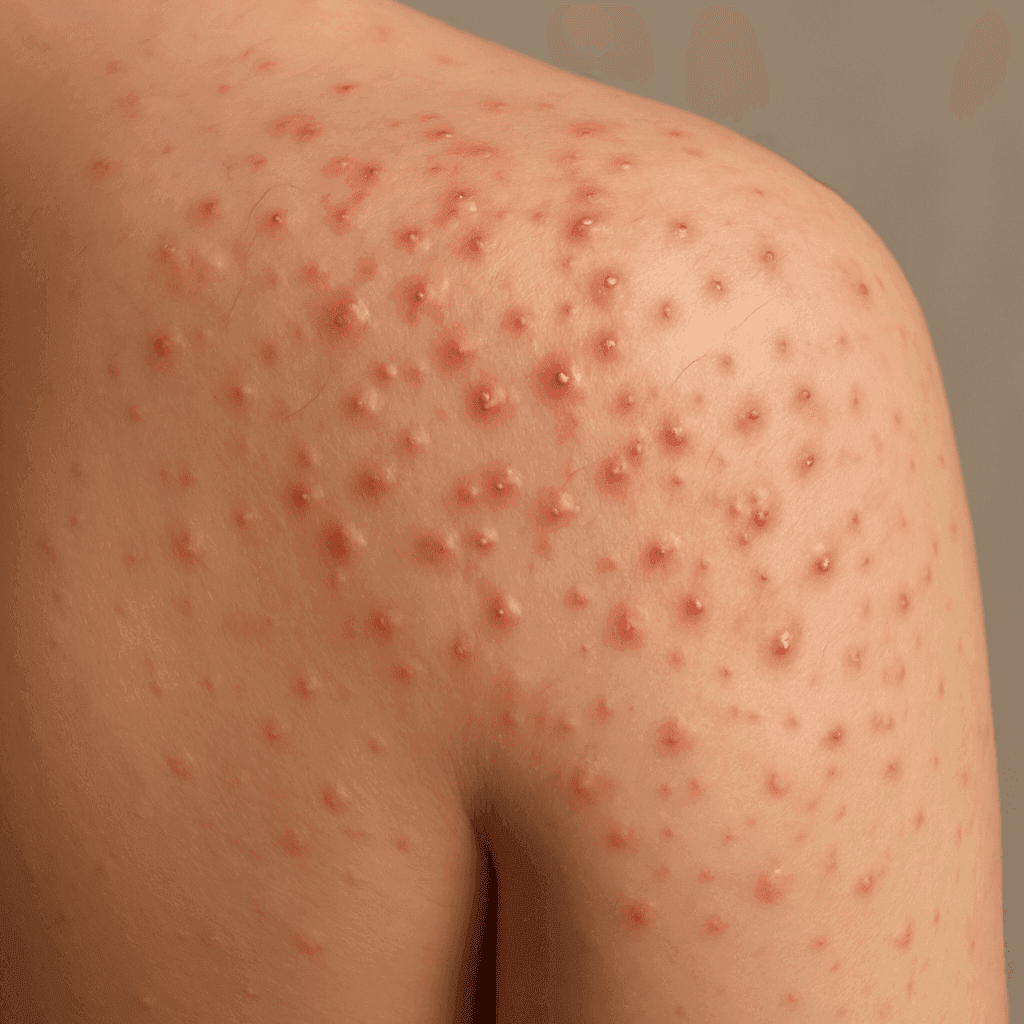
Post-shave folliculitis is characterized by red, itchy bumps that appear after shaving. These bumps are most commonly found in areas where the skin is shaved frequently, such as the face, neck, and legs. Symptoms include redness, swelling, and in some cases, pus-filled blisters which resemble acne.
Causes of Razor Bumps
Razor bumps are primarily caused by improper shaving techniques and tools. Shaving too closely or against the grain of hair growth can lead to hairs curling back into the skin, causing inflammation. People with curly or coarse hair are more prone to developing razor bumps due to the natural curl pattern of their hair. Additionally, skin sensitivity can exacerbate the condition, making it crucial to select appropriate shaving products and methods.
Prevention Strategies
Pre-Shave Preparation
Proper pre-shave preparation is vital in preventing razor bumps. Begin by cleansing the skin to remove dirt and oil, which can clog pores. Exfoliating gently helps to remove dead skin cells and lifts hairs for a closer shave. Choosing a razor that suits your skin type is equally important. Opt for a single-blade razor if you have sensitive skin, as it reduces the risk of irritation.
Proper Shaving Techniques
Shaving in the direction of hair growth minimizes the risk of razor bumps. Use a sharp blade and avoid pressing too hard against the skin. Frequent replacement of razor blades ensures a clean cut and reduces the chance of skin irritation. Remember, the goal is to cut the hair, not the skin.
Post-Shave Skin Care
After shaving, apply a soothing aftershave product that is alcohol-free to avoid drying out the skin. Moisturizing is crucial to maintain skin hydration and barrier function. Look for products containing aloe vera or chamomile, known for their calming and hydrating properties.
Treatment Options
Home Remedies for Razor Bumps
Natural ingredients such as tea tree oil, witch hazel, and aloe vera can effectively reduce inflammation and soothe irritated skin. Apply a thin layer of these remedies after shaving to calm the skin. Honey and oatmeal masks can also provide relief by moisturizing and reducing redness.
Over-the-Counter Treatments
Products containing salicylic acid or glycolic acid can help exfoliate the skin and prevent ingrown hairs. Apply these after shaving to prevent razor bumps from forming. Always follow the instructions on the packaging for optimal results.
When to Seek Professional Help
If razor bumps become painful or do not improve with home care, consult a dermatologist. Persistent or infected bumps may require medical treatments such as topical antibiotics or prescription-strength creams to reduce inflammation and prevent further skin damage.
Best Products for Preventing Razor Bumps
Shaving Creams and Gels
When selecting a shaving cream or gel, look for products labeled as "sensitive skin" or "hypoallergenic." These are less likely to cause irritation. Ingredients like glycerin and shea butter can provide a smooth glide and prevent the blade from tugging on the skin.
Aftershave Lotions
Opt for alcohol-free aftershave lotions to avoid drying out the skin. Such products often contain soothing agents like aloe vera and vitamin E, which help calm post-shave irritation.
Razors and Blades
For sensitive skin, choose razors with fewer blades and a pivoting head to adapt to the contours of the skin. Electric razors might also be a suitable option for those prone to razor bumps, as they reduce direct contact with the skin.
FAQ
What are the best ways to prevent razor bumps?
To prevent razor bumps, ensure proper pre-shave preparation by cleansing and exfoliating the skin. Use a sharp, single-blade razor and shave in the direction of hair growth. Apply a soothing, alcohol-free aftershave and moisturize regularly.
Can certain shaving products cause more irritation?
Yes, shaving products containing alcohol or strong fragrances can irritate sensitive skin. Opt for hypoallergenic, fragrance-free products to minimize the risk of irritation.
How often should I change my razor blade?
Change your razor blade every 5-7 shaves, or sooner if you notice the blade becoming dull. A sharp blade is crucial for a clean, irritation-free shave.
Are there specific shaving techniques to reduce bumps?
Shaving with the grain and using gentle, even strokes helps reduce the occurrence of razor bumps. Avoid going over the same area multiple times.
What ingredients should I look for in shaving creams?
Look for ingredients like glycerin, aloe vera, and shea butter in shaving creams to provide moisture and a protective barrier during shaving.
When should I consult a dermatologist for razor bumps?
If razor bumps are persistent, painful, or appear infected, it is advisable to consult a dermatologist for professional advice and treatment options.