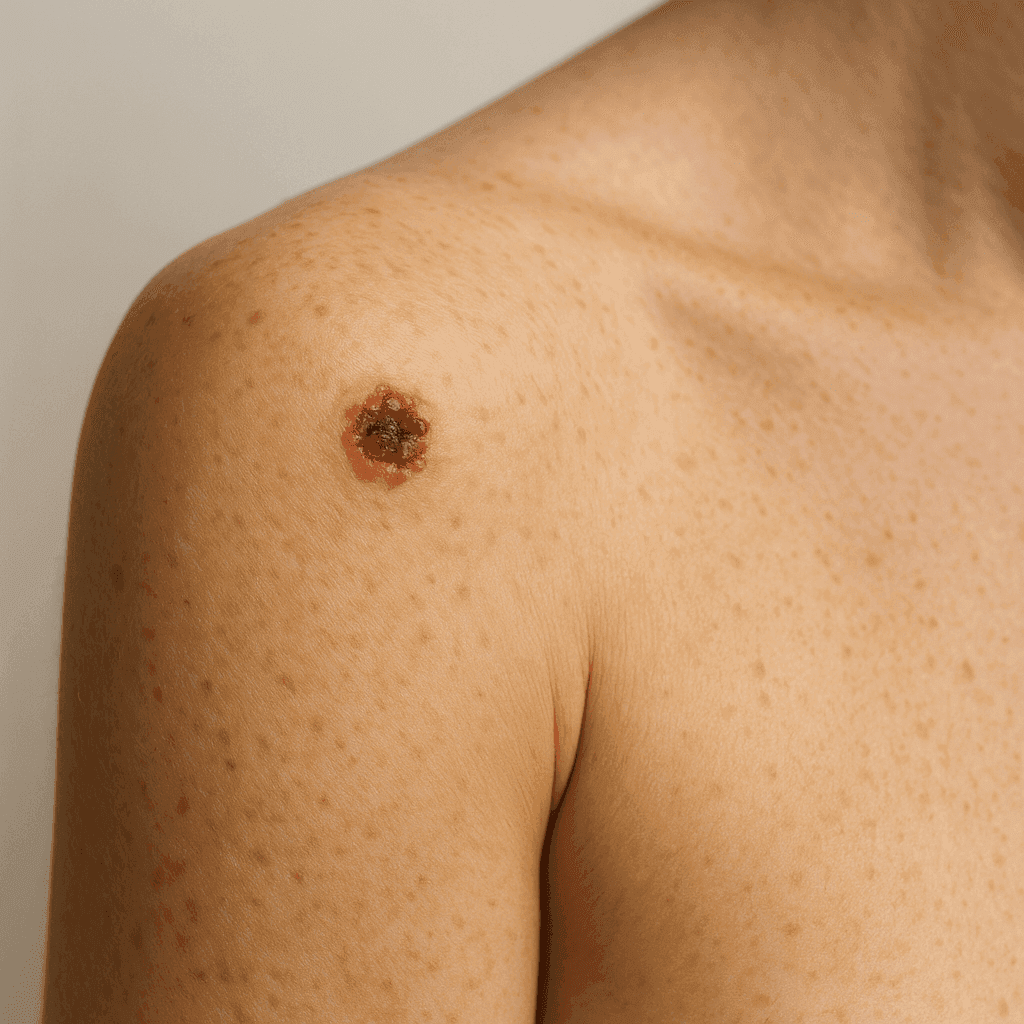
Skin cancer and sun exposure - myths and facts
Learn about the relationship between the sun and skin cancer.
Introduction
Skin cancer is one of the most commonly diagnosed cancers worldwide, and its link to sun exposure raises many questions and controversies. The purpose of this article is to discuss the effects of UV radiation on the skin and dispel myths related to sunbathing and sun protection.
What is skin cancer?
Skin cancer is a cancer that develops from skin cells. There are three main types: basal cell carcinoma, squamous cell carcinoma, and melanoma. Statistics show that the incidence of skin cancer is steadily increasing, making prevention and early diagnosis extremely important.
Sun exposure and skin cancer
UV radiation, which is a component of sunlight, has a direct impact on DNA damage in skin cells. Prolonged exposure without adequate protection can lead to mutations that eventually develop into cancer. The link between sunbathing and skin cancer is well documented, as highlighted by numerous scientific studies.
Myths about skin cancer and sun exposure
Myth 1: Tanning in a solarium is safe
Many people believe that tanning in a solarium is less harmful than tanning in the sun. However, the UV rays emitted by solarium lamps are just as dangerous and can increase the risk of skin cancer.
Myth 2: Only fair skin is at risk for cancer
Although people with fair skin are more susceptible to sun damage, all skin, regardless of color, can be at risk.
Myth 3: Sunscreen completely protects against cancer
Sunscreen is an important part of sun protection, but it does not provide complete protection. It should be used regularly and in combination with other methods of protection.
Facts about skin cancer and the sun
Fact 1: UV radiation is the main risk factor
UVB and UVA radiation are the main risk factors for the development of skin cancer. Sun protection is crucial in preventing skin damage.
Fact 2: All skin types can be at risk
Regardless of skin type, everyone is at risk of sun damage. It is important to follow universal sun protection guidelines.
Fact 3: Regular skin checks are crucial
Early detection of skin changes significantly increases the chances of successful treatment. Regular self-examination and visits to a dermatologist are recommended.
How to protect your skin from cancer?
Sun protection is essential in the prevention of skin cancer. It is important to use broad-spectrum sunscreen, avoid the sun during peak hours, and wear protective clothing.
Choosing the right sunscreen
Sunscreens should be waterproof and have an SPF of at least 30. Regular application every two hours is crucial for effective protection.
Other methods of skin protection
Wearing wide-brimmed hats, UV-protective sunglasses, and avoiding direct sunlight between 10 a.m. and 4 p.m. are additional protective measures.
Risk factors and prevention
Genetic and environmental factors
Genetic predispositions, such as a family history of skin cancer, and environmental factors, such as air pollution, can influence the risk of developing the disease.
The role of diet and lifestyle
A healthy diet rich in antioxidants and avoiding stimulants can support skin health.
The importance of regular dermatological examinations
Regular check-ups with a dermatologist allow for early detection and treatment of skin changes, which is crucial in cancer prevention.
Diagnosis and treatment of skin cancer
How to recognize the symptoms of skin cancer
Symptoms of skin cancer may include new skin changes, changes in existing moles, and non-healing wounds.
Diagnostic methods
The diagnosis of skin cancer is based on a dermatological examination and biopsy of suspicious lesions.
Treatment options and prognosis
The treatment of skin cancer depends on its type and stage. It may include surgery, radiation therapy, or targeted therapies. The prognosis is generally good if the cancer is detected at an early stage.
Summary
Skin cancer is a serious health threat, but with proper prevention and early diagnosis, the risk of developing it can be significantly reduced. It is essential to use sunscreen, have regular skin checks, and be aware of risk factors.