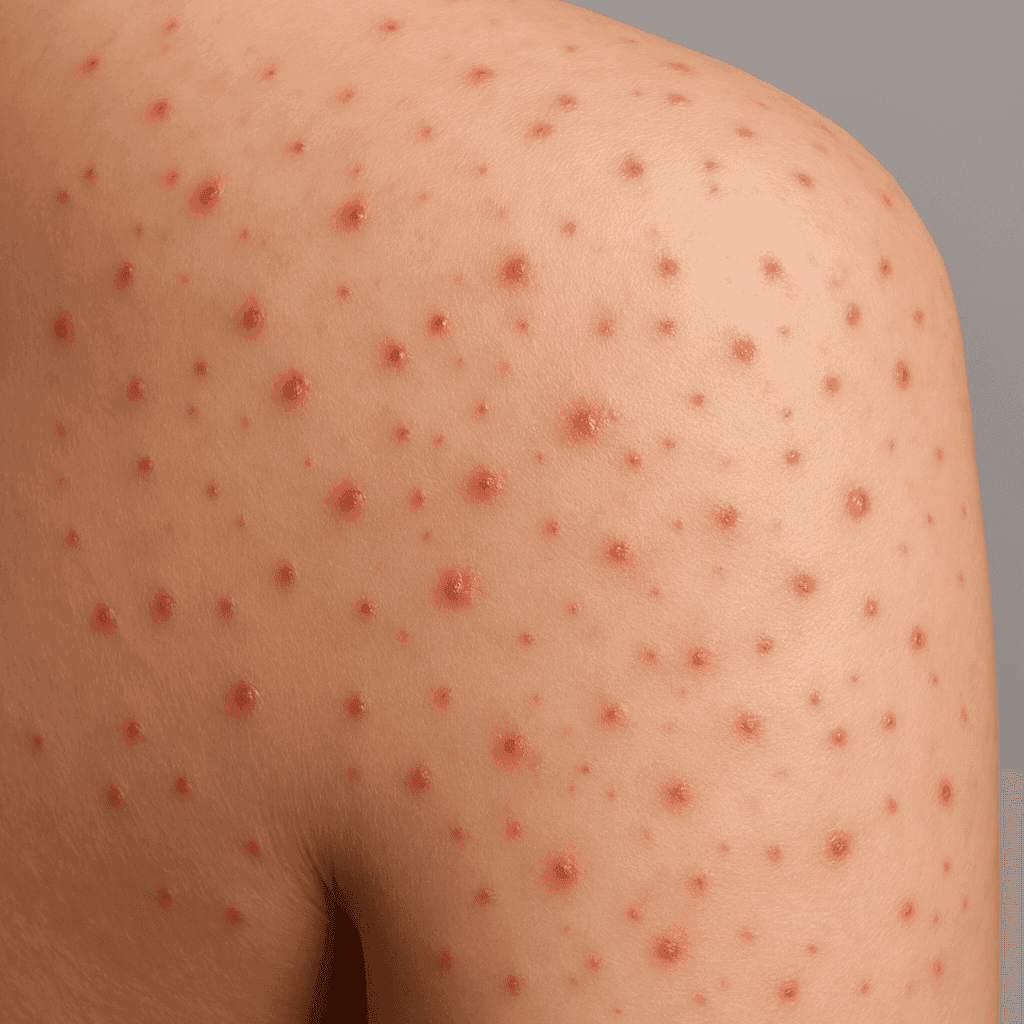
Red Spots on the Face: Possible Dermatological Causes
Exploring causes and treatments for facial red spots.
Introduction
Red spots on the face can be a source of concern for many individuals, as they often affect self-esteem and overall skin appearance. Understanding the underlying causes of these spots is crucial for effective management and treatment. Various dermatological conditions can lead to facial redness, and identifying the root cause is the first step towards finding an appropriate solution. This article will explore common and less common causes of red spots on the face, alongside potential treatment and management strategies.
Common Dermatological Causes of Red Spots on the Face
Acne and Acne Rosacea
Acne is one of the most prevalent skin conditions, characterized by pimples, cysts, and red spots. Acne rosacea, on the other hand, is a chronic inflammatory condition that causes redness and visible blood vessels on the face. Treatment options include topical medications, oral antibiotics, and lifestyle changes to minimize triggers like spicy foods and alcohol.
Allergic Reactions
Allergic reactions to skincare products, cosmetics, or environmental allergens can lead to red spots on the face. Common allergens include fragrances, preservatives, and certain plant extracts. Managing allergic reactions involves identifying and avoiding triggers, using hypoallergenic products, and in some cases, taking antihistamines.
Eczema and Dermatitis
Eczema, particularly atopic dermatitis, often affects the face and causes red, itchy patches. Treatment involves moisturizing the skin, using topical steroids, and avoiding known irritants. Dermatitis can also result from contact with irritants like soaps or metals, requiring similar management strategies.
Psoriasis
Psoriasis is an autoimmune condition that leads to red, scaly patches on the skin, including the face. Diagnosis typically involves a physical examination and skin biopsy. Treatment plans may include topical treatments, phototherapy, or systemic medications depending on the severity of the condition.
Fungal and Bacterial Infections
Fungal infections like ringworm or bacterial infections such as impetigo can cause red spots on the face. These infections require treatment with antifungal or antibiotic medications, respectively. Prompt treatment is essential to prevent the spread of infection and complications.
Less Common Causes
Autoimmune Disorders
Conditions such as lupus can present with red spots or rashes on the face. Diagnosing autoimmune disorders involves a combination of clinical evaluation, blood tests, and sometimes imaging studies. Early diagnosis and management are crucial to prevent further complications.
Hormonal Changes
Hormonal fluctuations during puberty, menstruation, or menopause can result in red spots on the face. Managing hormonal red spots often includes skincare adjustments and, in some cases, hormonal therapies under medical supervision.
Lifestyle and Environmental Factors
Sun Exposure
Excessive sun exposure can lead to sunburn, resulting in red spots and damage to the skin. Preventive measures include using broad-spectrum sunscreen, wearing protective clothing, and avoiding sun exposure during peak hours.
Stress and Diet
Stress can exacerbate skin conditions, leading to breakouts and redness. Incorporating stress management techniques such as meditation and exercise can improve skin health. Additionally, a diet rich in antioxidants, vitamins, and minerals supports clear skin and reduces inflammation.
Diagnosis and When to See a Doctor
Identifying the cause of red spots on the face may require a thorough examination by a dermatologist. Diagnostic procedures can include skin biopsies, allergy tests, or blood tests. It's important to seek medical attention if red spots are persistent, painful, or accompanied by other symptoms like fever or swelling.
Treatment and Management
Over-the-Counter Solutions
OTC treatments such as salicylic acid or benzoyl peroxide can help manage acne-related red spots. These should be used as directed to avoid skin irritation.
Prescription Medications
For more severe cases, doctors may prescribe medications like retinoids, antibiotics, or oral contraceptives. It is crucial to discuss potential side effects and interactions with a healthcare provider.
Home Remedies
Natural treatments like aloe vera, tea tree oil, and oatmeal masks can soothe irritated skin. However, caution is advised to ensure no allergic reactions occur. Always patch test new remedies.
Prevention Tips
Adopting a consistent skincare routine, including cleansing, moisturizing, and exfoliating, can prevent red spots. Protective measures such as using sunscreen and avoiding known triggers are also important. Maintaining a healthy lifestyle with a balanced diet and regular exercise promotes overall skin health.
FAQs
What are the most common causes of red spots on the face?
Common causes include acne, allergic reactions, eczema, and sun exposure.
Can stress cause red spots on my face?
Yes, stress can exacerbate skin conditions, leading to red spots.
Are red spots on the face always a sign of a serious condition?
Not always, but persistent or concerning spots should be evaluated by a healthcare provider.
How can diet affect red spots on my face?
A poor diet may contribute to inflammation and breakouts, while a balanced diet can improve skin health.
What home remedies can I try for red spots on my face?
Aloe vera, tea tree oil, and oatmeal masks can be soothing, but always patch test first.
When should I consult a dermatologist for red spots on my face?
If red spots are persistent, painful, or accompanied by other symptoms, seek professional advice.