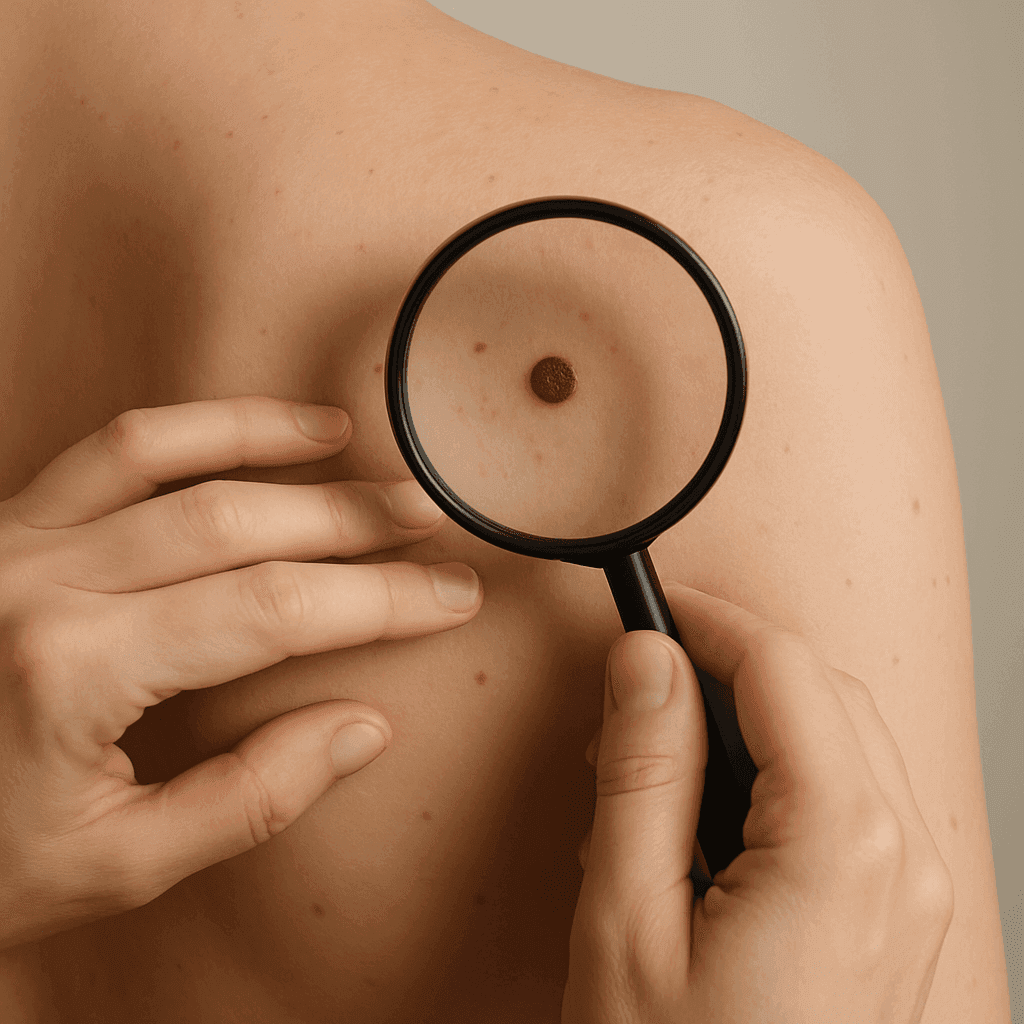
Regular Mole Checks: How to Perform the ABCDE Self-Examination
Learn to perform mole checks using the ABCDE method.
Introduction
Regular mole checks are a crucial aspect of maintaining skin health. By performing routine self-examinations, individuals can spot potential issues early, particularly those associated with skin cancer. The ABCDE method offers a systematic approach to evaluating moles and identifying those that may require further professional evaluation.
Understanding Moles
Moles are common skin growths, usually appearing as small, dark brown spots. They result from clusters of pigmented cells. Most people have between 10 and 40 moles, which may change in appearance or fade over time.
Types of Moles: Normal vs. Atypical
Normal moles are typically uniform in color and shape, while atypical moles, also known as dysplastic nevi, may have irregular borders and various shades. While atypical moles are not necessarily cancerous, they can indicate an increased risk of melanoma and should be monitored closely.
The ABCDE Method
The ABCDE method is an easy-to-remember guideline that helps individuals assess their moles. This method focuses on five characteristics that may indicate melanoma:
- Asymmetry: One half of the mole does not match the other.
- Border: Irregular, scalloped, or poorly defined edges.
- Color: Varied from one area to another; shades of tan, brown, black, white, red, or blue.
- Diameter: Melanomas are usually greater than 6mm, but can be smaller.
- Evolving: A mole or skin lesion that looks different from the rest or is changing in size, shape, or color.
Step-by-Step Guide to Self-Examination
Preparing for Your Mole Check
To perform an effective self-examination, find a well-lit room and use a full-length mirror. A handheld mirror can help inspect hard-to-see areas.
Conducting a Thorough Self-Examination
- Use mirrors and good lighting to examine your entire body, including hidden areas like the scalp and between the toes.
- Check all areas, even those not exposed to sunlight.
- Take note of any moles that exhibit the ABCDE characteristics.
Identifying Suspicious Moles
Characteristics of Normal Moles
Normal moles are usually uniform in color, with a distinct edge and symmetrical shape. They are often less than 6mm in diameter.
Warning Signs of Potential Melanoma
Be vigilant for moles that display:
- Asymmetry or uneven borders
- Multiple colors or changes in color
- Increasing size or shape
If any of these signs are present, consider consulting a healthcare professional.
When to Seek Professional Help
Changes to Monitor Over Time
Track any changes in your moles, as these can be indicators of melanoma. If a mole appears to be evolving, it's time to consult a dermatologist.
Consulting a Dermatologist
If you notice any suspicious moles, schedule an appointment with a dermatologist. They can provide a more thorough examination and, if necessary, a biopsy.
Prevention and Early Detection
Tips for Maintaining Skin Health
- Use sunscreen with at least SPF 30.
- Wear protective clothing when outdoors.
- Avoid tanning beds.
Importance of Routine Dermatological Check-Ups
Regular visits to a dermatologist can aid in early detection of skin cancers and other skin conditions, enhancing skin health management.
Conclusion
The ABCDE method is a valuable tool for early detection of potential skin cancer. Regular self-examinations empower individuals to take charge of their skin health and seek timely medical advice if needed. Remember, early detection is key to successful treatment.
FAQs
What is the best time to perform a mole check?
The best time for a mole check is after a shower, when your skin is clean and you're more relaxed.
How often should I perform a self-examination?
Aim to perform a mole check once a month.
Can all moles turn into melanoma?
Not all moles become melanoma, but monitoring changes is crucial.
What should I do if I find a suspicious mole?
Consult a dermatologist for a professional evaluation.
Are there any tools that can help with self-examinations?
Consider using a magnifying mirror or smartphone apps for better visibility.
How can I differentiate between a mole and a freckle?
Moles are usually raised and have a distinct edge, while freckles are flat and blend into the skin.