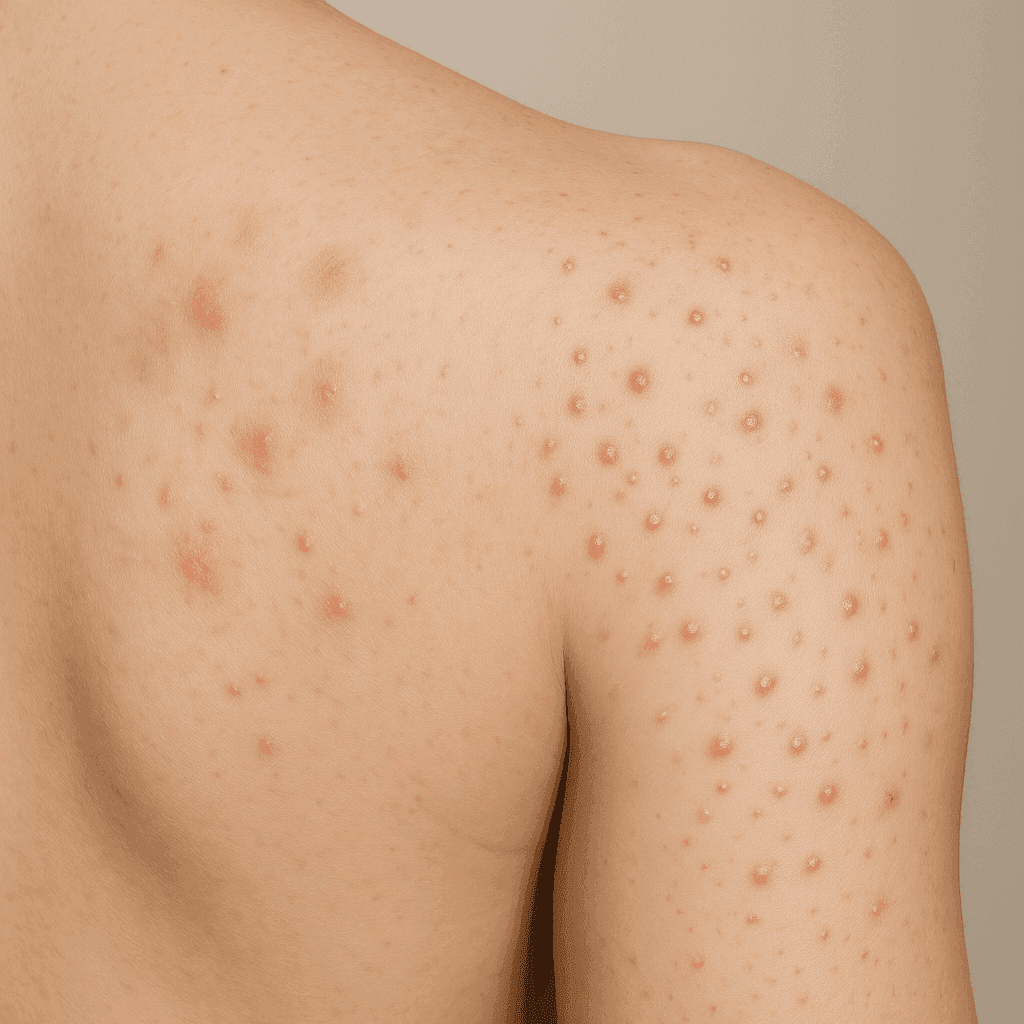
Rosacea vs. Acne Vulgaris: How to Tell the Difference
Distinguish between rosacea and acne vulgaris effectively.
Introduction
Skin conditions affect millions worldwide, with rosacea and acne vulgaris being among the most common. These conditions can significantly impact one's quality of life due to their visible nature. Understanding the differences between rosacea and acne vulgaris is crucial for effective management and treatment. This article explores these conditions, their symptoms, causes, and treatment options, helping you make informed decisions about your skin health.
Understanding Rosacea
What is Rosacea?
Rosacea is a chronic inflammatory skin condition that primarily affects the face. It is more prevalent among adults aged 30-50, especially those with fair skin. Common symptoms include facial redness, visible blood vessels, and sometimes acne-like breakouts.
Causes of Rosacea
The exact cause of rosacea is unknown, but it is believed to result from a combination of genetic and environmental factors. Common triggers include sun exposure, stress, spicy foods, and alcohol consumption.
Types of Rosacea
There are four main types of rosacea:
- Erythematotelangiectatic Rosacea: Characterized by facial redness and visible blood vessels.
- Papulopustular Rosacea: Involves redness with acne-like breakouts.
- Phymatous Rosacea: Causes thickened skin and an enlarged nose.
- Ocular Rosacea: Affects the eyes, leading to irritation and redness.
Understanding Acne Vulgaris
What is Acne Vulgaris?
Acne vulgaris is a common skin condition characterized by the presence of pimples, blackheads, and cysts. It often begins during puberty and can persist into adulthood.
Causes of Acne Vulgaris
Acne is primarily caused by hormonal changes, particularly during adolescence. Other contributing factors include certain medications, diet, and stress.
Types of Acne
Acne lesions come in various forms:
- Blackheads: Open comedones with a black surface.
- Whiteheads: Closed comedones with a white appearance.
- Papules: Small, red, and tender bumps.
- Pustules: Red bumps with white pus at the tip.
- Cysts: Painful, pus-filled lumps under the skin.
Key Differences Between Rosacea and Acne Vulgaris
Symptom Comparison
While both conditions can present with acne-like breakouts, rosacea primarily affects the central face and is often accompanied by persistent redness and visible blood vessels. Conversely, acne vulgaris can affect the face, back, and chest and is characterized by a variety of lesions such as blackheads and cysts.
Age and Demographic Factors
Rosacea typically affects adults over 30, whereas acne vulgaris is most common among teenagers but can persist into adulthood.
Triggers and Aggravating Factors
Rosacea is often triggered by environmental and lifestyle factors such as sun exposure and spicy foods. In contrast, acne vulgaris is more closely linked to hormonal changes and dietary habits.
Diagnosis and Treatment
Diagnosing Rosacea and Acne Vulgaris
A dermatologist can diagnose these conditions through a clinical examination and detailed patient history. It's essential to consult a healthcare professional for an accurate diagnosis.
Treatment Options for Rosacea
Treatments for rosacea include topical medications like metronidazole and oral antibiotics. Lifestyle changes such as identifying and avoiding triggers are also crucial.
Treatment Options for Acne Vulgaris
Acne can be treated using over-the-counter products containing benzoyl peroxide or salicylic acid. For severe cases, prescription medications such as retinoids or antibiotics may be necessary. Consistency in skincare routines is vital for managing acne.
Prevention and Management
Rosacea Management Strategies
Managing rosacea involves avoiding known triggers, using gentle skincare products, and protecting the skin from sun exposure. Regular visits to a dermatologist can help tailor a management plan to individual needs.
Acne Vulgaris Prevention Tips
Preventive measures for acne include maintaining a consistent skincare routine, avoiding oily cosmetics, and eating a balanced diet. Reducing stress and getting adequate sleep also play roles in preventing breakouts.
Conclusion
Understanding the differences between rosacea and acne vulgaris is crucial for effective treatment. While both conditions can affect self-esteem and quality of life, professional diagnosis and treatment can significantly improve outcomes. Always consult a dermatologist to determine the best course of action for your skin condition.
Frequently Asked Questions (FAQ)
Is rosacea contagious?
No, rosacea is not contagious and cannot be spread through contact.
Can rosacea turn into acne?
While rosacea can cause acne-like breakouts, it does not turn into acne vulgaris.
What skincare products are best for rosacea?
Gentle, fragrance-free products are recommended to avoid irritation.
How can I tell if my acne is hormonal?
Hormonal acne often appears along the jawline and chin and may flare up with menstrual cycles.
Are there any natural treatments for rosacea?
Some find relief using aloe vera or green tea extract, but consult a dermatologist first.
When should I see a dermatologist for my skin condition?
See a dermatologist if you have persistent skin issues or if over-the-counter treatments are ineffective.