Scalp Psoriasis – Symptoms and Treatment
Understand symptoms and treatments of scalp psoriasis.
Introduction
Scalp psoriasis is a common condition characterized by red, itchy, and scaly patches on the scalp. Understanding its symptoms and treatments is crucial for effective management. This article explores various aspects of scalp psoriasis, from causes to treatment options, to help those affected manage their condition better.
What is Scalp Psoriasis?
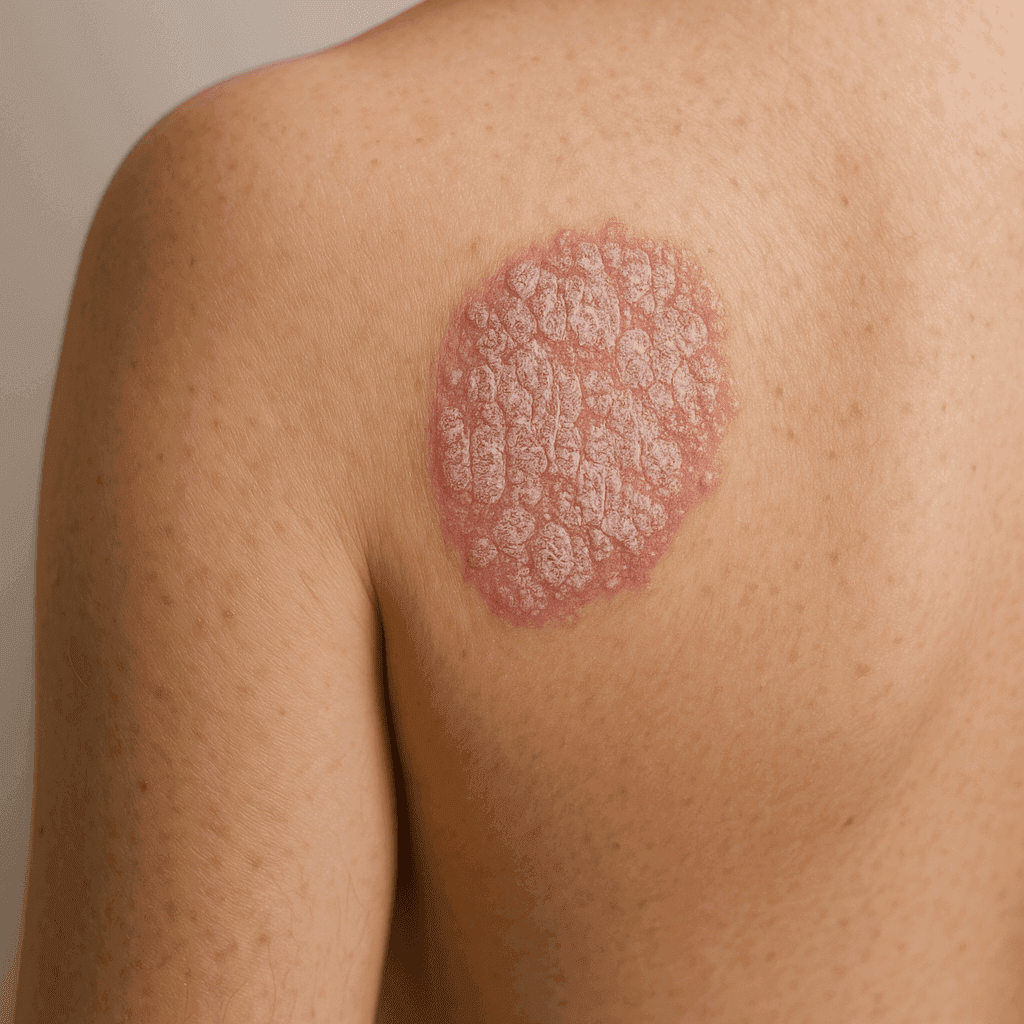
Scalp psoriasis is a chronic autoimmune condition that results in the rapid growth of skin cells, forming thick, silvery scales and red patches. It can be mistaken for dandruff or seborrheic dermatitis, but it is more persistent and can spread beyond the hairline. Recognizing these characteristics helps differentiate it from other scalp conditions.
Symptoms of Scalp Psoriasis
Symptoms vary in severity, ranging from mild scaling to thick, crusted plaques. Common signs include itching, burning sensations, and hair loss. Symptoms can progress, affecting not only the scalp but also the forehead, back of the neck, or behind the ears. Monitoring these symptoms is important for managing the condition effectively.
Causes and Risk Factors
Genetic predisposition plays a significant role in scalp psoriasis. Environmental triggers like stress, skin injuries, and infections can exacerbate the condition. Lifestyle factors, including smoking and alcohol consumption, may also increase the risk. Understanding these factors can help in managing flare-ups and prevention.
Diagnosis of Scalp Psoriasis
A medical evaluation is crucial for diagnosing scalp psoriasis. Dermatologists may perform a physical examination and take a biopsy to confirm the diagnosis. It's important to differentiate scalp psoriasis from other conditions like eczema or fungal infections, as treatments differ significantly.
Treatment Options for Scalp Psoriasis
Topical Treatments
Corticosteroids and vitamin D analogs are commonly prescribed to reduce inflammation and slow skin cell growth.
Systemic Treatments
Oral medications and biologics target the immune system to manage severe cases effectively.
Phototherapy
Phototherapy uses UV light to reduce symptoms. It requires careful consideration and professional guidance to avoid side effects.
Natural and Home Remedies
Essential oils such as tea tree oil and dietary changes can support traditional treatments. A balanced diet rich in omega-3 fatty acids and antioxidants may reduce inflammation.
Managing Scalp Psoriasis
Daily care routines, such as using medicated shampoos and moisturizing the scalp, can alleviate symptoms. Managing stress through relaxation techniques is also beneficial in reducing flare-ups. Consistent application of prescribed treatments is crucial for long-term management.
Prevention and Long-term Management
Preventing flare-ups involves identifying and avoiding triggers, such as stress and certain foods. Ongoing treatment helps maintain control over the condition, improving quality of life. Regular follow-ups with a dermatologist ensure that treatment plans remain effective.
Scalp Psoriasis and Quality of Life
Scalp psoriasis can impact mental health, leading to anxiety or depression. Developing coping strategies and seeking support from healthcare professionals or support groups can help manage these challenges.
FAQs
Frequently Asked Questions
What triggers scalp psoriasis flare-ups?
Common triggers include stress, skin injuries, and certain medications. Identifying and minimizing exposure to these triggers can help manage flare-ups.
Can scalp psoriasis lead to hair loss?
While scalp psoriasis itself does not cause hair loss, excessive scratching and inflammation can lead to temporary hair thinning.
Are there any effective over-the-counter treatments for scalp psoriasis?
OTC treatments like tar shampoos and salicylic acid can help manage mild symptoms. Consulting with a healthcare provider ensures proper use.
How can I differentiate between scalp psoriasis and dandruff?
Scalp psoriasis often presents with thicker, more inflamed patches, whereas dandruff typically involves flaking without significant redness.
Is scalp psoriasis contagious?
Scalp psoriasis is not contagious and cannot be passed from person to person.
Can diet affect scalp psoriasis?
Diet can influence inflammation levels. A diet rich in fruits, vegetables, and omega-3 fatty acids may support overall skin health.