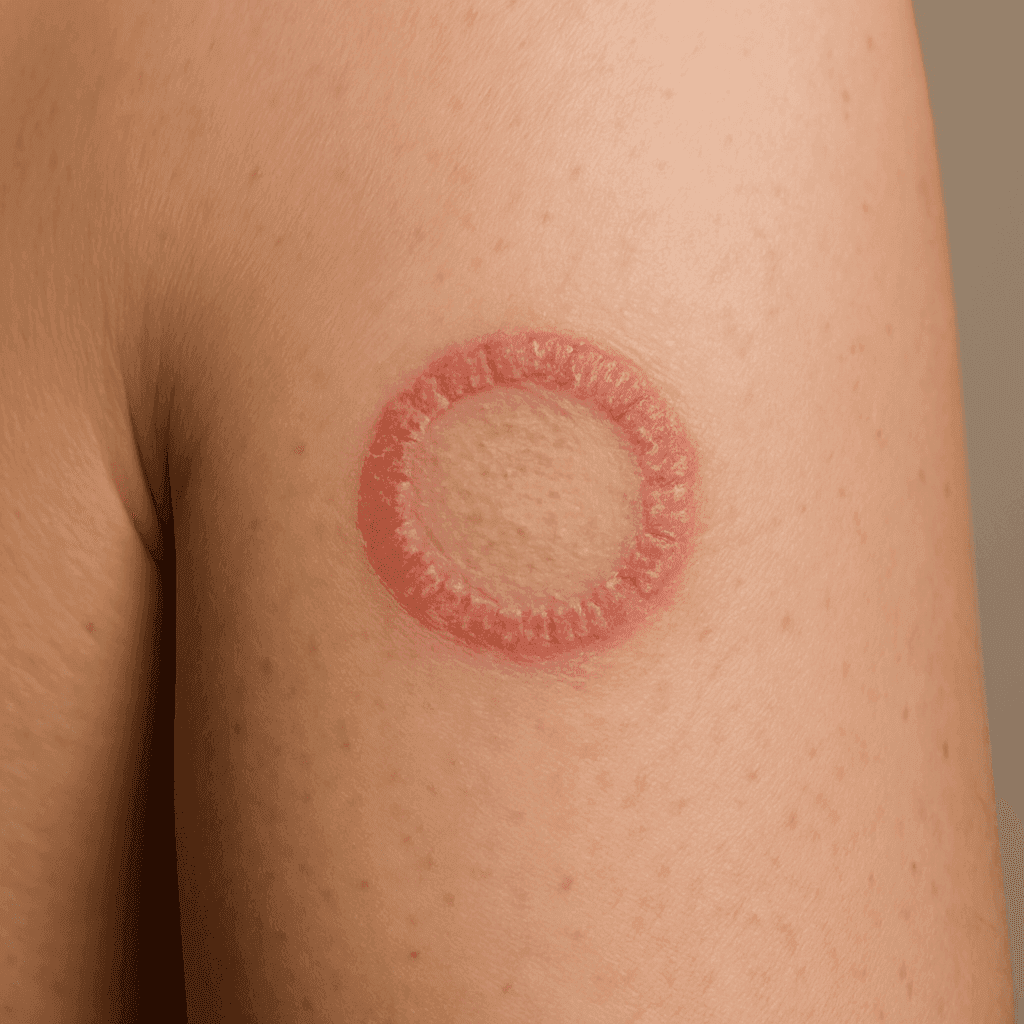
Scalp Ringworm (Tinea Capitis)
Understand and manage scalp ringworm effectively.
Introduction
Scalp ringworm, also known as tinea capitis, is a common fungal infection that affects the scalp and hair shafts. Despite its name, it is not caused by a worm but by various species of fungi. Understanding tinea capitis is crucial for effective management and prevention, especially since it is highly contagious and can affect individuals of all ages, particularly children.
What is Scalp Ringworm (Tinea Capitis)?
Scalp ringworm is a fungal infection that primarily affects the scalp and hair follicles. It is caused by dermatophytes, a type of fungi that thrive in warm, moist environments. The infection can cause round, scaly patches on the scalp, leading to hair loss in the affected areas. Common causes of tinea capitis include poor hygiene, crowded living conditions, and direct contact with infected individuals or animals.
Symptoms of Scalp Ringworm
The symptoms of scalp ringworm can vary, but early signs often include itchy, scaly patches on the scalp. As the condition progresses, these patches may become inflamed and swollen, sometimes resulting in pus-filled sores. In children, symptoms may also include a low-grade fever and swollen lymph nodes. Adults may experience similar symptoms, though they often present with less inflammation.
How is Scalp Ringworm Diagnosed?
Diagnosing scalp ringworm begins with a thorough medical examination by a healthcare professional. The doctor may use a special light called a Wood's lamp to detect the presence of fungi. Additionally, a scalp sample might be taken for laboratory analysis to confirm the diagnosis. Accurate diagnosis is essential for effective treatment, as symptoms can mimic other scalp conditions like dandruff or psoriasis.
Treatment Options for Scalp Ringworm
Treatment for scalp ringworm typically involves prescription antifungal medications, such as griseofulvin or terbinafine, taken orally. Over-the-counter treatments may provide temporary relief but are generally less effective for complete eradication. Some individuals explore home remedies like tea tree oil or apple cider vinegar, though scientific evidence supporting their efficacy is limited. Treatment duration can range from several weeks to a few months, depending on the severity of the infection.
Preventing Scalp Ringworm
Preventing scalp ringworm involves maintaining good personal hygiene and environmental cleanliness. Regularly washing hair and avoiding sharing personal items like combs, hats, or towels can significantly reduce the risk of infection. In school or daycare settings, it’s crucial to educate children and caregivers about the importance of hygiene to prevent the spread among peers.
Complications of Untreated Tinea Capitis
When left untreated, scalp ringworm can lead to more severe complications, such as permanent hair loss or scarring. In some cases, the infection may spread to other parts of the body or to other individuals, emphasizing the importance of early diagnosis and treatment. Early intervention can prevent these potential long-term effects and promote faster recovery.
Frequently Asked Questions
What causes scalp ringworm?
Scalp ringworm is caused by fungi known as dermatophytes, which thrive in warm, moist environments.
How can I tell if I have scalp ringworm?
Symptoms include itchy, scaly patches on the scalp, hair loss, and sometimes pus-filled sores.
Is scalp ringworm contagious?
Yes, it is highly contagious and can spread through direct contact or shared personal items.
Can adults get scalp ringworm?
While more common in children, adults can also contract scalp ringworm, especially in crowded or unhygienic conditions.
What are the best treatments for tinea capitis?
Prescription oral antifungal medications are the most effective treatments.
How can I prevent scalp ringworm from spreading?
Practice good hygiene, avoid sharing personal items, and educate children about the importance of cleanliness.
Conclusion
Scalp ringworm, or tinea capitis, is a common and highly contagious fungal infection that requires prompt medical attention. Early diagnosis and treatment are crucial to prevent complications and promote healing. Maintaining good hygiene and educating those at risk can help prevent the spread of this infection. If you suspect you have scalp ringworm, consult a healthcare professional for an accurate diagnosis and appropriate treatment plan.