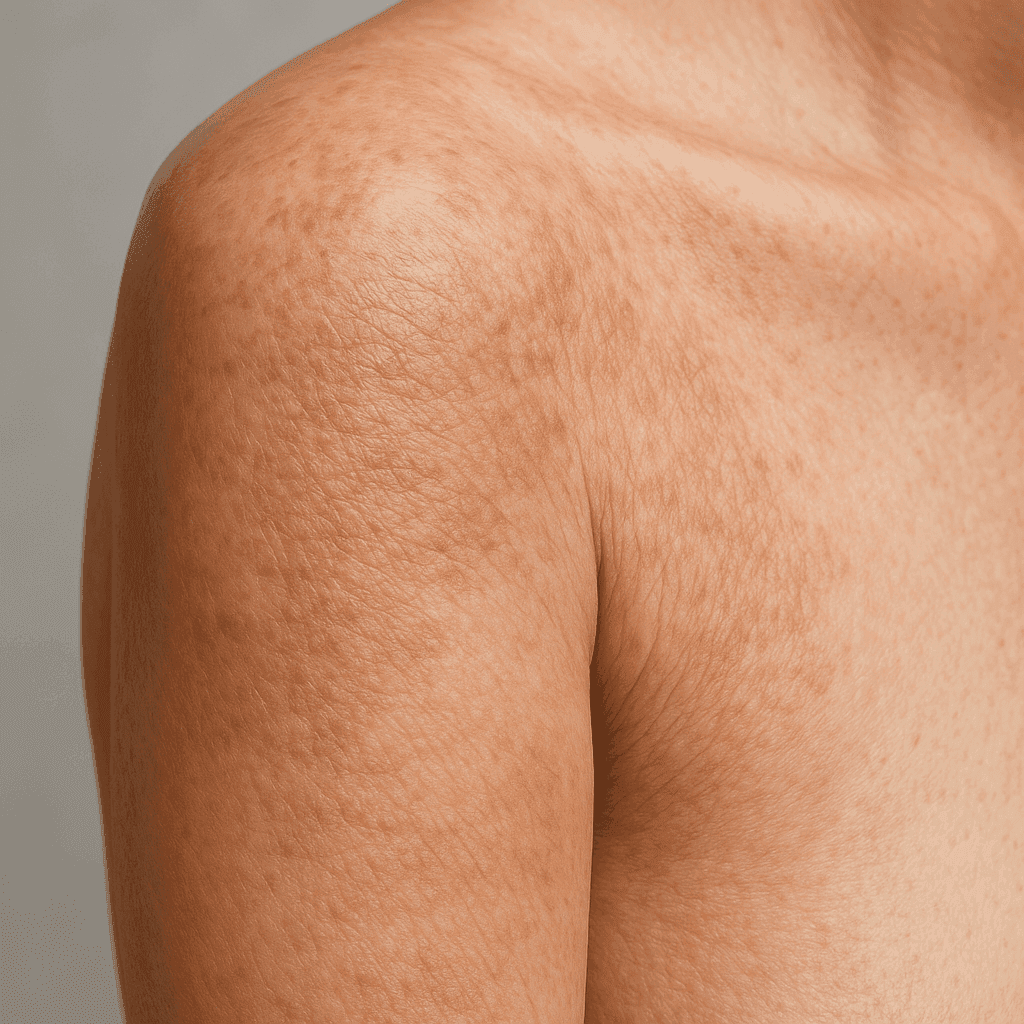
Scleroderma: Understanding This Rare Skin Disease
Learn about scleroderma symptoms, causes, and treatments.
Introduction
Scleroderma is a rare and complex autoimmune disease that primarily affects the skin but can also impact internal organs. Understanding this condition is crucial for those affected and their families. Increased awareness and knowledge can lead to better management and support for those living with scleroderma.
What is Scleroderma?
Scleroderma is characterized by the hardening and tightening of the skin and connective tissues. There are two main types: systemic sclerosis, which can affect the skin, blood vessels, and internal organs, and localized scleroderma, which primarily affects the skin.
Systemic Sclerosis
Systemic sclerosis is more severe and can involve multiple organ systems, leading to significant health challenges.
Localized Scleroderma
This form is generally milder and limited to skin involvement, often resulting in patches of hardened skin.
Symptoms and Signs of Scleroderma
Individuals with scleroderma may experience a variety of symptoms. Common symptoms include skin thickening, joint pain, and fatigue.
Skin-related Symptoms
Skin symptoms often include patches of hard or tight skin and changes in skin color.
Organ Involvement
In systemic sclerosis, the disease may affect organs like the lungs, heart, and kidneys, potentially leading to serious complications.
Causes and Risk Factors
The exact cause of scleroderma remains unknown, but several factors may contribute to its development.
Genetic Predisposition
Genetic factors can increase the likelihood of developing scleroderma, though it is not directly inherited.
Environmental Triggers
Exposure to certain environmental factors, such as silica dust or specific drugs, may trigger scleroderma in susceptible individuals.
Autoimmune Factors
Scleroderma is considered an autoimmune disorder, where the immune system mistakenly attacks the body's own tissues.
Diagnosing Scleroderma
Accurate diagnosis is essential for effective management. The process typically involves a combination of medical history, physical examination, and tests.
Medical History and Physical Examination
A thorough medical history and physical exam can reveal characteristic signs of scleroderma.
Laboratory Tests and Imaging
Blood tests can detect specific antibodies, while imaging studies assess organ involvement.
Differential Diagnosis
Doctors must distinguish scleroderma from other conditions with similar symptoms, such as lupus.
Treatment Options for Scleroderma
Treatment focuses on managing symptoms and preventing complications, as there is no cure for scleroderma.
Medications
Drugs can help control symptoms and slow disease progression. Common medications include immunosuppressants and anti-inflammatory drugs.
Physical Therapy and Rehabilitation
These therapies can improve mobility and quality of life by addressing muscle and joint function.
Surgical Interventions
In severe cases, surgery may be necessary to address complications or improve organ function.
Living with Scleroderma
Living with scleroderma can be challenging, but with proper management, individuals can lead fulfilling lives.
Daily Management Strategies
Routine care includes skin protection, regular exercise, and stress management.
Coping with Chronic Pain
Pain management strategies, such as medications and physical therapy, are crucial for maintaining comfort.
Importance of Support Networks
Support groups and counseling can provide emotional support and practical advice for those affected by scleroderma.
Scleroderma and Associated Conditions
Scleroderma often coexists with other autoimmune diseases, leading to complex health challenges.
Scleroderma and Autoimmune Diseases
Conditions like rheumatoid arthritis and lupus can overlap with scleroderma, complicating diagnosis and treatment.
Overlapping Syndromes
Overlapping syndromes require a comprehensive approach to care, as they can significantly impact a patient's health and quality of life.
Prognosis and Life Expectancy
The prognosis for scleroderma varies widely depending on the type and severity of the disease.
Factors Affecting Prognosis
Early detection and treatment can improve outcomes, while organ involvement may worsen prognosis.
Long-term Outlook
With advancements in treatment, many individuals with scleroderma can manage their symptoms and maintain a good quality of life.
Scleroderma Research and Advancements
Ongoing research aims to better understand scleroderma and develop more effective treatments.
Recent Studies and Findings
Recent studies have focused on the genetic and environmental factors contributing to scleroderma.
Future Directions in Treatment
Promising treatments under investigation include novel immunotherapies and regenerative medicine approaches.
FAQ
What are the early signs of scleroderma?
Early signs include skin thickening and Raynaud's phenomenon, where fingers turn white or blue in response to cold or stress.
How is scleroderma different from lupus?
While both are autoimmune diseases, scleroderma primarily affects the skin and connective tissue, whereas lupus can affect multiple organs and often presents with a butterfly-shaped rash on the face.
Can diet affect the symptoms of scleroderma?
A balanced diet can help manage symptoms. Some patients find relief by avoiding triggers like caffeine and spicy foods.
What are the current treatment options for scleroderma?
Treatment includes medications, physical therapy, and in some cases, surgical interventions to manage symptoms and prevent complications.
Is scleroderma a hereditary condition?
While genetic factors may increase risk, scleroderma is not directly inherited.
How does scleroderma impact mental health?
Chronic illness can lead to anxiety and depression. Support groups and mental health counseling can be beneficial.