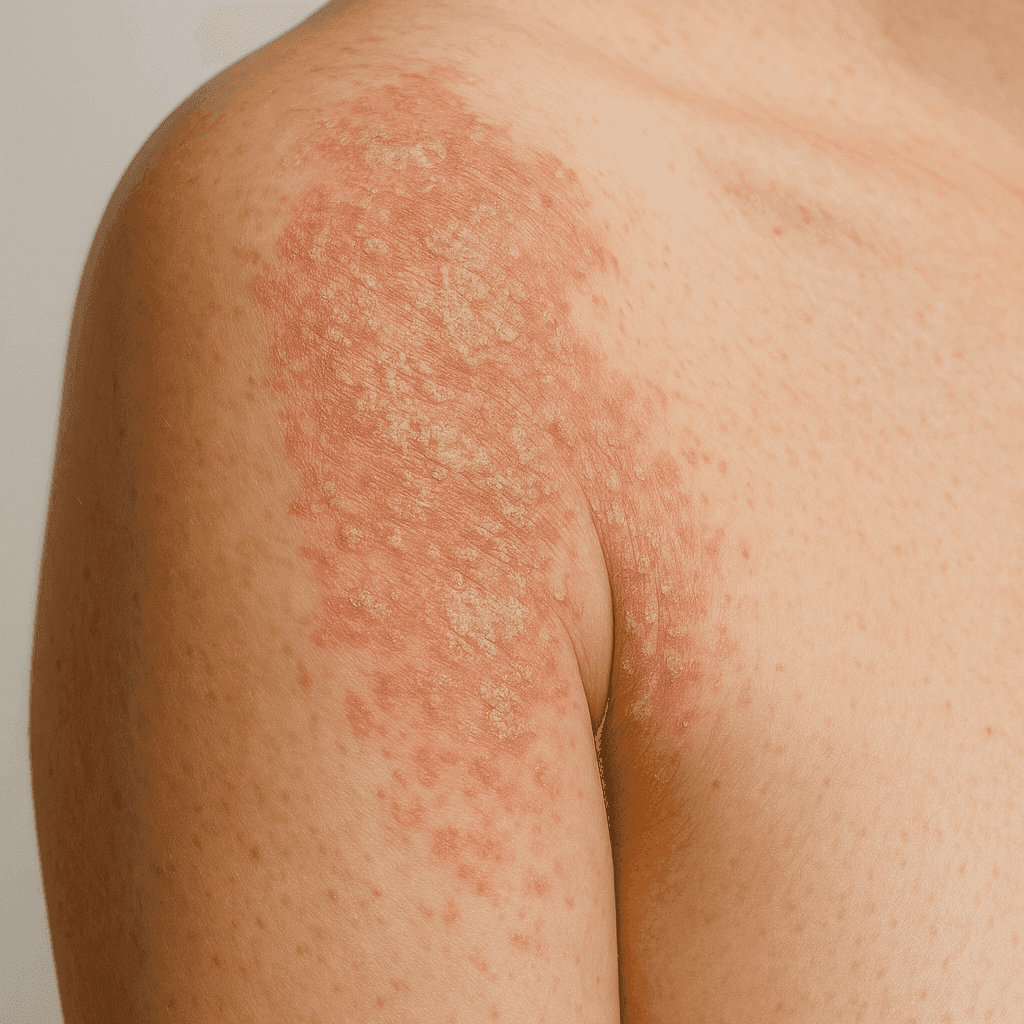
Seborrheic Dermatitis: Symptoms and Home Remedies
Understand symptoms and treatments for seborrheic dermatitis.
Introduction
Seborrheic dermatitis is a common skin condition affecting many individuals worldwide. Characterized by red, itchy, and flaky skin, it can cause discomfort and affect one's quality of life. Understanding the symptoms and exploring various treatment options, including home remedies, is crucial for effective management of this condition.
What is Seborrheic Dermatitis?
Seborrheic dermatitis is a chronic skin condition caused by an overproduction of sebum, leading to inflammation and flaky skin. It primarily affects areas rich in oil glands, such as the scalp, face, and upper body. While the exact cause is not fully understood, factors such as genetics, yeast overgrowth, and immune system responses may play a role. Seborrheic dermatitis can affect anyone, but it is more common in infants and adults aged 30-60.
Symptoms of Seborrheic Dermatitis
The symptoms of seborrheic dermatitis can vary but often include red patches, greasy skin, and white or yellowish flakes. It can manifest differently depending on the affected area. On the scalp, it often presents as persistent dandruff, while on the face, it may appear as red, flaky patches around the nose, eyebrows, or ears. Distinguishing seborrheic dermatitis from other skin conditions like psoriasis or eczema is essential for proper treatment.
Home Remedies for Seborrheic Dermatitis
Natural Oils and Their Benefits
Natural oils such as coconut oil, tea tree oil, and olive oil can provide relief from seborrheic dermatitis symptoms. Coconut oil's antimicrobial properties help reduce inflammation, while tea tree oil's antifungal effects combat yeast overgrowth.
Herbal Treatments and Topical Applications
Aloe vera and apple cider vinegar are popular herbal remedies. Aloe vera gel can soothe the skin, and apple cider vinegar helps balance the skin's pH. It's important to patch-test these remedies before full application.
Dietary Changes and Impact
Diet plays a significant role in managing seborrheic dermatitis. Incorporating omega-3 fatty acids, probiotics, and reducing sugar intake can support skin health. Staying hydrated and consuming a balanced diet can also contribute to symptom management.
Moisturizing and Gentle Skincare
Moisturizing regularly with hypoallergenic products can prevent skin dryness and irritation. Opt for gentle skincare routines that avoid harsh chemicals and fragrances. Regular cleansing with mild products can help maintain skin health.
Reducing Stress and Lifestyle Modifications
Stress is a known trigger for flare-ups. Practicing stress-reducing techniques such as yoga, meditation, and regular exercise can benefit overall skin health. Ensuring adequate sleep and maintaining a balanced lifestyle are also crucial.
Over-the-Counter Treatments
Several over-the-counter shampoos and creams are available for seborrheic dermatitis. Products containing ingredients like ketoconazole, selenium sulfide, or zinc pyrithione are commonly recommended. When choosing a product, consider your skin type and any potential allergies. Be aware of possible side effects and consult a dermatologist if you experience irritation or worsening symptoms.
When to See a Doctor
While home remedies and over-the-counter treatments can be effective, there are times when professional medical advice is necessary. If you experience severe symptoms, persistent discomfort, or signs of infection, consult a healthcare provider. Dermatologists can offer prescription treatments and guidance tailored to your specific needs.
Preventing Seborrheic Dermatitis Flare-Ups
Daily Skincare Routine
Maintaining a consistent skincare routine can help manage seborrheic dermatitis. Use gentle, non-irritating products and moisturize regularly to keep skin healthy.
Environmental Factors to Consider
Environmental factors like humidity and temperature changes can affect seborrheic dermatitis. Protect your skin by wearing appropriate clothing and using a humidifier in dry conditions.
Long-Term Management Strategies
Long-term management involves a combination of lifestyle changes and skincare practices. Regular follow-ups with a dermatologist can help monitor the condition and adjust treatment plans as necessary.
Frequently Asked Questions (FAQ)
Can seborrheic dermatitis be cured permanently?
Currently, there is no permanent cure for seborrheic dermatitis, but symptoms can be effectively managed with proper treatment and lifestyle changes.
Is seborrheic dermatitis contagious?
No, seborrheic dermatitis is not contagious. It is primarily caused by factors like genetics and skin conditions.
How can diet affect seborrheic dermatitis?
A healthy diet can support skin health. Foods rich in omega-3s, antioxidants, and probiotics may help reduce inflammation and improve symptoms.
Are there any risks associated with home remedies?
While many home remedies are safe, some individuals may experience allergic reactions. Always perform a patch test and consult a healthcare provider if unsure.
Can stress cause seborrheic dermatitis flare-ups?
Stress is a known trigger for flare-ups. Managing stress through relaxation techniques and lifestyle adjustments can help reduce occurrences.
What is the difference between seborrheic dermatitis and dandruff?
While both conditions cause flaky scalp, seborrheic dermatitis involves inflammation and redness, whereas dandruff is typically limited to flaking without significant inflammation.