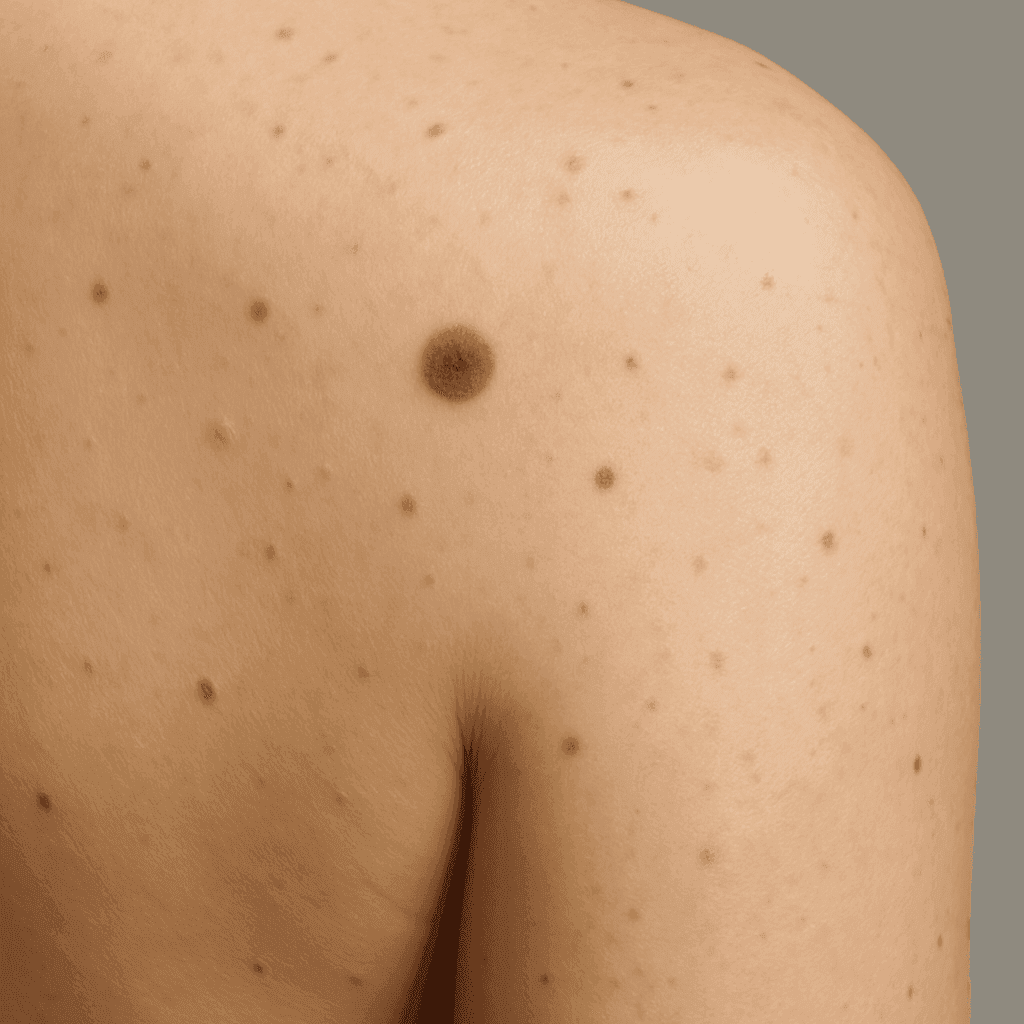
Should Every Mole Be Removed?
Guidelines on mole removal and health monitoring.
Introduction
Moles are common skin growths that most people have at some point in their lives. While many moles are harmless, it's essential to monitor them for any changes that might indicate a potential health concern. Understanding when and why a mole should be removed can help in maintaining your skin's health and catching potential issues early.
What are Moles?
Moles, medically known as nevi, are clusters of pigmented cells that appear on the skin as small, dark brown spots. They can vary significantly in appearance, including their color, size, and texture. Common types of moles include congenital moles, acquired moles, and atypical moles. They can appear anywhere on the skin, including the scalp, face, arms, and legs, and are typically smaller than a pencil eraser.
When Should a Mole Be Removed?
Signs of a Suspicious Mole
The ABCDEs of melanoma are a helpful guide in identifying suspicious moles: Asymmetry, Border irregularity, Color variation, Diameter larger than 6mm, and Evolving over time. Moles exhibiting any of these characteristics should be evaluated by a healthcare professional.
Medical Reasons for Mole Removal
Mole removal is medically indicated when there's a risk of skin cancer. Risk factors include familial history of skin cancer, excessive sun exposure, and a high number of moles. Symptoms such as itching, bleeding, or rapid changes in a mole's appearance also necessitate medical evaluation and possible removal.
How are Moles Removed?
Medical Procedures for Mole Removal
Moles can be removed via several methods, including surgical excision, shave removal, and laser removal. Each method has its own indications and is chosen based on the mole's characteristics and location.
What to Expect During the Procedure
Before removal, a healthcare provider will prepare the area by cleaning it and applying local anesthesia to minimize pain. The specific procedure will be chosen based on the mole's type and location. After removal, the site may require stitches or a simple bandage.
Aftercare and Recovery
Proper care after mole removal is crucial to prevent infection and promote healing. Keep the wound clean and covered, avoid sun exposure, and follow any additional instructions provided by your doctor. Monitoring for signs of infection, such as redness or pus, is also important.
Risks and Considerations
While mole removal is generally safe, there are potential risks such as infection, scarring, and changes in skin sensation. It's essential to have a professional assessment to determine the safest removal method and minimize complications.
Cosmetic vs. Medical Removal
Moles may be removed for cosmetic reasons, such as improving appearance or comfort. However, it's vital to weigh the benefits against potential risks like scarring or infection. Always consult with a dermatologist to understand the implications of cosmetic mole removal.
Frequently Asked Questions
Can a mole grow back after removal?
Yes, it's possible for a mole to grow back if not completely removed. Regular monitoring is advised.
Is it safe to remove a mole at home?
No, mole removal should always be performed by a healthcare professional to avoid complications.
How often should I have my moles checked?
Regular skin checks are recommended, especially if you have risk factors for skin cancer.
What does a typical mole biopsy involve?
A biopsy involves removing all or part of a mole for laboratory analysis to rule out malignancy.
Are all dark moles cancerous?
Not all dark moles are cancerous, but any changes should be evaluated by a dermatologist.
How can I prevent scars after mole removal?
Follow aftercare instructions carefully, avoid sun exposure, and use prescribed creams to minimize scarring.