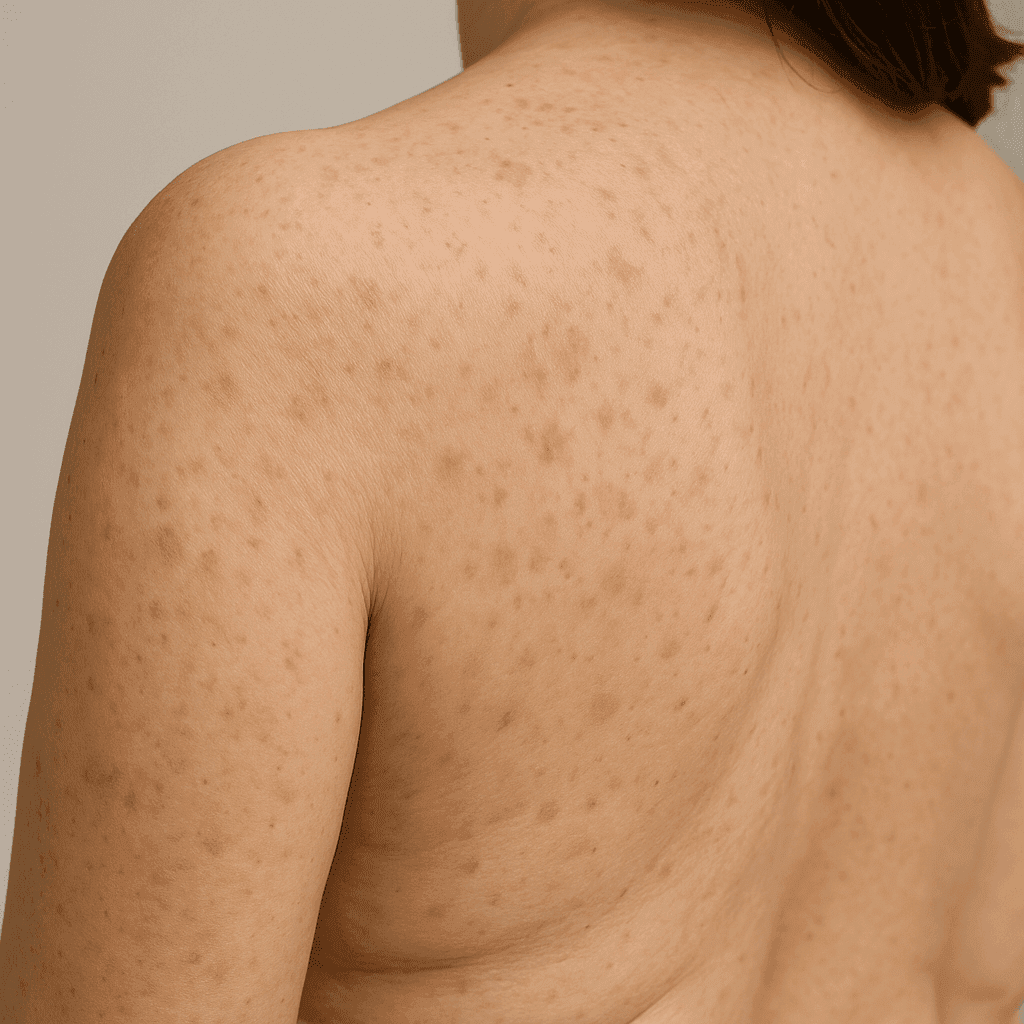
Skin and Hormones: Effects of Menstrual Cycle, Menopause and Pregnancy
Explore hormonal effects on skin health.
Introduction
The intricate relationship between hormones and skin health is a topic of immense interest in dermatology. Hormones, chemical messengers in our body, play a pivotal role in regulating various physiological functions, including skin health. Fluctuations in hormone levels can lead to significant changes in skin condition, impacting texture, elasticity, and overall appearance.
Understanding these hormonal influences is crucial for maintaining healthy skin throughout different life stages. Whether during the menstrual cycle, pregnancy, or menopause, hormonal changes can affect the skin in unique ways. This article aims to provide a comprehensive overview of how these hormonal shifts influence skin health and offer practical tips for managing these changes effectively.
Hormonal Changes and Skin During the Menstrual Cycle
The menstrual cycle is divided into several phases, each characterized by distinct hormonal shifts. These include the follicular phase, ovulatory phase, and luteal phase, each affecting skin in different ways.
Overview of the Menstrual Cycle Phases
During the follicular phase, estrogen levels rise, often leading to hydrated, clear skin. This phase typically lasts from day one of menstruation until ovulation. As estrogen peaks during the ovulatory phase, many women notice a natural glow, attributed to increased blood circulation and collagen production.
Skin Effects in the Luteal Phase
The luteal phase, occurring post-ovulation, sees a decline in estrogen and a rise in progesterone. This hormonal shift can result in increased sebum production, potentially leading to acne and breakouts. Skin may also appear more oily or congested during this phase.
Managing Skin During Menstrual Cycle Fluctuations
To manage these changes, consider adjusting your skincare routine according to each cycle phase. For instance, using oil-free moisturizers and non-comedogenic products during the luteal phase can help mitigate breakouts. Regular exfoliation and hydration can also maintain skin clarity throughout the cycle.
Skin and Hormones During Pregnancy
Pregnancy brings significant hormonal changes that can dramatically impact skin health. These shifts are essential for fetal development but can also lead to various skin conditions.
Common Skin Changes in Pregnancy
Pregnancy Glow: Myth or Reality?
The so-called "pregnancy glow" is often attributed to increased blood volume and hormonal changes that enhance skin radiance. While many women experience this glow, it is not universal.
Hyperpigmentation and Melasma
Elevated hormone levels can lead to hyperpigmentation, particularly melasma, which presents as dark, patchy skin on the face. Sun protection and gentle skincare are crucial to managing these changes effectively.
Acne and Breakouts
Increased androgen levels may lead to acne flare-ups. Managing these breakouts requires gentle cleansing and the use of pregnancy-safe acne treatments.
Skin Care Tips for Expectant Mothers
- Prioritize hydration with moisturizing products.
- Use sunscreen daily to protect against UV radiation.
- Opt for gentle, fragrance-free skincare products to avoid irritation.
Menopause and Its Effects on Skin
Menopause marks a significant transition in a woman's life, characterized by a decline in reproductive hormones. This hormonal shift can lead to various skin changes that require tailored management strategies.
Understanding Menopause and Hormonal Decline
As estrogen levels decrease during menopause, skin may become drier and more sensitive. The loss of collagen and elastin can also result in reduced skin elasticity and the appearance of fine lines and wrinkles.
Common Skin Changes During Menopause
Increased Dryness and Sensitivity
The reduction in natural oils can lead to dryness and irritation. Using rich, hydrating creams and avoiding harsh cleansers can help alleviate these symptoms.
Loss of Elasticity and Firmness
The skin’s structural integrity diminishes, necessitating the use of products rich in peptides and antioxidants to support collagen production.
Appearance of Fine Lines and Wrinkles
These are common due to decreased skin elasticity. Incorporating retinoids and hyaluronic acid into your routine can help minimize their appearance.
Strategies for Managing Menopausal Skin Changes
- Maintain a consistent skincare routine focused on hydration and nourishment.
- Consider supplements that support skin health, such as omega-3 fatty acids.
- Consult a dermatologist for personalized skincare advice.
Conclusion
Understanding the impact of hormonal changes on skin health is essential for developing effective skincare routines. From the menstrual cycle to pregnancy and menopause, each phase of life presents unique challenges and opportunities for skin care.
Tailored skincare routines that consider these hormonal influences can significantly enhance skin health and appearance. It is important to consult with healthcare professionals when experiencing significant skin changes to ensure appropriate care and management.
Frequently Asked Questions (FAQs)
How do hormones affect skin during the menstrual cycle?
Hormones such as estrogen and progesterone fluctuate throughout the menstrual cycle, impacting skin oiliness, hydration, and breakouts.
What are the most common skin changes during pregnancy?
Pregnancy can lead to increased skin pigmentation, acne, and the "pregnancy glow" due to hormonal changes.
How can I manage skin dryness during menopause?
Using rich moisturizers, gentle cleansers, and incorporating omega-3 supplements can help manage skin dryness during menopause.
Is hormonal acne treatable during pregnancy?
Yes, but treatment should be pregnancy-safe. Consult a healthcare provider for suitable acne treatments.
What skin care products are safe during pregnancy?
Opt for fragrance-free, non-comedogenic, and gentle skincare products. Avoid retinoids and consult a healthcare provider for advice.
Can hormone replacement therapy help with menopausal skin changes?
Hormone replacement therapy may alleviate some menopausal skin changes, but it should be discussed with a healthcare provider to understand the benefits and risks.