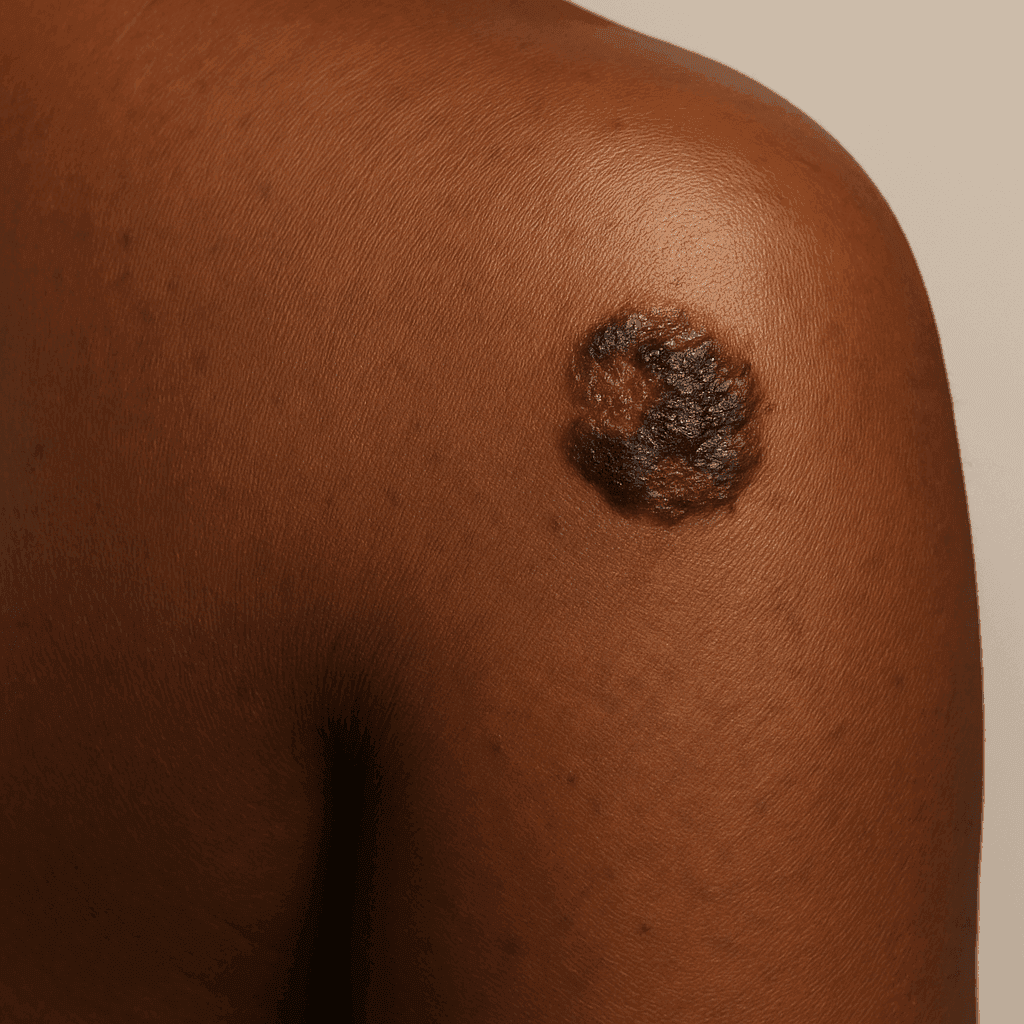
Skin Cancer in Darker Skin Tones: Risks and Signs
Skin cancer risks and signs in darker skin tones.
Introduction
Skin cancer is often perceived as a condition that primarily affects individuals with lighter skin tones. However, this misconception can lead to delayed diagnosis and treatment in people with darker skin. It is crucial to address skin cancer awareness across all demographics to ensure that individuals with darker skin are equally vigilant about their skin health. Understanding the risks, signs, and prevention strategies specifically tailored for darker skin tones can help bridge knowledge gaps and promote proactive skin care.
Many believe that melanin, the pigment that gives skin its color, offers complete protection against skin cancer. While melanin does provide some degree of UV protection, it does not make individuals with darker skin immune to skin cancer. Raising awareness about this reality is essential to encourage regular skin examinations and the adoption of protective measures.
Understanding Skin Cancer
Skin cancer is the uncontrolled growth of abnormal skin cells, often caused by excessive exposure to ultraviolet (UV) radiation from the sun or tanning beds. There are several types of skin cancer, but the most common are basal cell carcinoma, squamous cell carcinoma, and melanoma. Among these, melanoma is the most aggressive and can spread to other parts of the body if not detected early.
Types of Skin Cancer in Darker Skin Tones
In darker skin tones, squamous cell carcinoma is more prevalent than basal cell carcinoma. Melanoma, although less common, tends to occur in less sun-exposed areas such as the palms, soles, and under the nails, making early detection challenging. Understanding the characteristics and common sites of different skin cancers can aid in early identification and treatment.
Risk Factors for Skin Cancer in Darker Skin
Genetic and environmental factors contribute to the risk of skin cancer in individuals with darker skin. While melanin provides some protection, prolonged UV exposure can still cause damage over time. Factors such as family history of skin cancer, exposure to certain chemicals, and immune system suppression can increase susceptibility.
Role of Melanin and UV Exposure
Melanin absorbs and dissipates UV rays, reducing the likelihood of DNA damage that can lead to cancer. However, it is not a foolproof barrier. Individuals with darker skin should be aware of their personal risk factors and take preventive measures, such as using sunscreen and wearing protective clothing when exposed to the sun.
Signs and Symptoms
Detecting skin cancer in its early stages is critical for effective treatment. In darker skin tones, skin cancer may not present as the typical moles or lesions that are often highlighted in lighter skin. Instead, it can appear as darker patches of skin, changes in existing moles, or non-healing sores.
Areas to Monitor
Certain areas of the body are more prone to develop skin cancer in darker skin tones, such as the palms, soles, and under the nails. Regular self-examination and awareness of changes in these areas can aid in early detection. If any suspicious changes are observed, consulting a dermatologist promptly is essential.
Diagnosis and Screening
Regular skin checks by a dermatologist are vital for early detection of skin cancer. Screening practices should be adjusted to consider the presentation differences in darker skin tones. Dermoscopy and biopsy are common methods used to diagnose suspicious lesions accurately.
Challenges in Diagnosis
Dermatologists face challenges due to the lack of awareness and training regarding skin cancer in darker skin. Education and training for healthcare providers can improve diagnostic accuracy and outcomes. Encouraging individuals with darker skin to seek regular dermatological evaluations can aid in early diagnosis and treatment.
Prevention and Protection
Effective sun protection is key in reducing the risk of skin cancer. Despite the protective role of melanin, individuals with darker skin should still use sunscreen with at least SPF 30. Other protective strategies include wearing wide-brimmed hats, sunglasses, and clothing that covers the skin.
Importance of Dermatological Check-Ups
Regular visits to a dermatologist for skin evaluations are crucial. These check-ups can help detect skin cancer at an earlier stage when it is most treatable. Dermatologists can also provide guidance on personalized skin care and protection strategies.
Treatment Options
Various treatment options are available for skin cancer, ranging from surgical procedures to radiation therapy and topical medications. The choice of treatment depends on the type, location, and stage of the cancer, as well as the patient's overall health.
Addressing Healthcare Disparities
Access to quality healthcare can be a barrier for many individuals with darker skin. Efforts to improve healthcare access and education about skin cancer are needed to ensure equitable treatment outcomes. Collaboration between healthcare providers and community organizations can help address these disparities.
Myths and Misconceptions
There is a common myth that individuals with darker skin are immune to skin cancer. This misconception can lead to complacency and delayed diagnosis. While darker skin does provide some protection, it is not complete.
The Reality of Skin Cancer Risks
Awareness and education are vital in dispelling myths surrounding skin cancer in darker skin. Understanding that everyone is at risk, regardless of skin tone, can promote proactive health measures and regular screenings.
Conclusion
Skin cancer is a significant health concern for people of all skin tones. Raising awareness about the risks, signs, and prevention strategies for individuals with darker skin is crucial in promoting early detection and effective treatment. Regular dermatological check-ups, sun protection, and education are key components in managing skin health.
Proactive skin health management can lead to better outcomes and reduce the impact of skin cancer in communities of color.
FAQs
What are the early signs of skin cancer in darker skin tones?
Early signs include darker patches of skin, changes in existing moles, or non-healing sores, particularly on the palms, soles, and under the nails.
How can individuals with darker skin protect themselves from skin cancer?
Use sunscreen with at least SPF 30, wear protective clothing, and avoid prolonged sun exposure.
Is skin cancer less common in people of color?
While it may be less common, it is often diagnosed at a later stage, making awareness and regular screenings important.
What areas should people with dark skin monitor for potential skin cancer?
Monitor areas such as the palms, soles, and under the nails for any changes or new growths.
How often should individuals with dark skin visit a dermatologist for skin checks?
Annual dermatological evaluations are recommended, or more frequently if there are risk factors or noticeable changes.
Are there specific sunscreens recommended for darker skin tones?
Look for broad-spectrum sunscreens with at least SPF 30 that are formulated for all skin types, ensuring they do not leave a white residue.