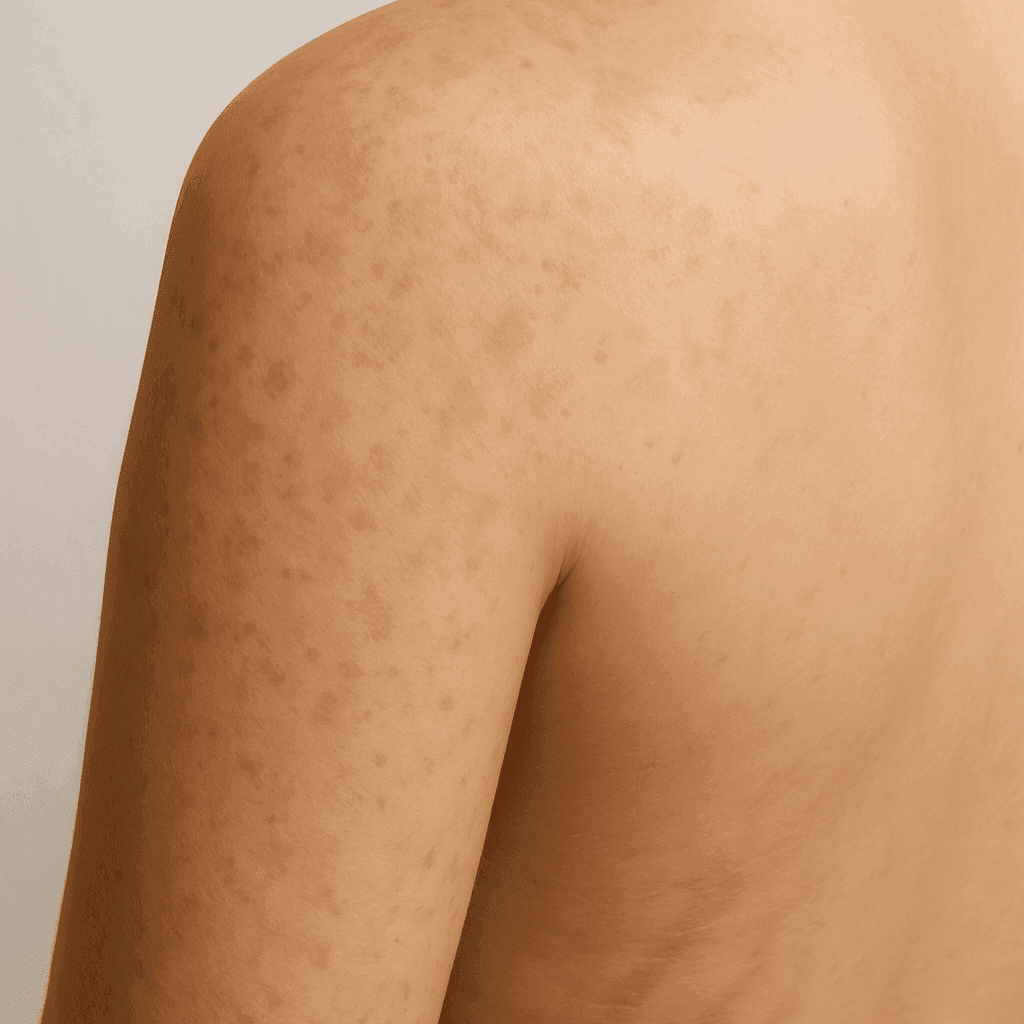
Skin Changes During Pregnancy: What to Expect
Understand and manage skin changes in pregnancy.
Introduction
Pregnancy is a transformative period that brings about a range of changes in a woman's body, including the skin. These changes can be attributed to hormonal shifts, increased blood flow, and rapid stretching of the skin, among other factors. Understanding these changes is crucial for managing them effectively and maintaining healthy skin throughout pregnancy. This article explores common skin changes during pregnancy and provides practical tips for managing them safely.
Common Skin Changes During Pregnancy
Hormonal Influences
Hormonal changes during pregnancy can have a significant impact on the skin. The increase in hormones like estrogen and progesterone can lead to increased oil production, which might result in acne. Additionally, these hormones can cause hyperpigmentation, leading to conditions like melasma.
Melasma
Melasma, also known as "the mask of pregnancy," is characterized by dark, patchy spots on the face. It is a common condition caused by hormonal changes and increased sun sensitivity. To manage melasma, it is recommended to use sunscreen daily, wear protective clothing, and consider gentle skin-lightening treatments approved by a healthcare provider.
Acne During Pregnancy
Many women experience an increase in acne during pregnancy due to heightened hormone levels that stimulate oil glands. Safe treatment options include topical treatments with ingredients like azelaic acid or glycolic acid, which are generally considered safe during pregnancy. It is important to consult with a healthcare provider before starting any acne treatment.
Stretch Marks
Stretch marks are a common concern as the skin stretches rapidly during pregnancy. They typically appear on the abdomen, breasts, and thighs. Prevention strategies include maintaining a healthy weight, staying hydrated, and applying moisturizers or oils to keep the skin supple. While they may fade over time, certain treatments can help reduce their appearance post-pregnancy.
Itchy Skin and Skin Sensitivity
Itchy skin and increased sensitivity are common during pregnancy due to hormonal changes and stretching skin. Remedies include using fragrance-free moisturizers, taking oatmeal baths, and wearing loose, breathable clothing. If itching is severe or accompanied by other symptoms, it is important to seek medical advice.
Linea Nigra
The linea nigra is a dark line that often appears on the abdomen during pregnancy. It is caused by hormonal changes and typically becomes more noticeable in the second trimester. The line usually fades after childbirth without the need for treatment.
Managing Skin Changes
Safe Skincare Products
Using pregnancy-safe skincare products is crucial to avoid harmful substances that could affect the baby. Ingredients like retinoids and salicylic acid should be avoided. Instead, opt for products containing hyaluronic acid, vitamin C, and niacinamide, which are generally considered safe. Always check with a healthcare provider if uncertain.
Natural Remedies
Natural remedies can be a soothing way to manage skin changes. Options include using aloe vera for soothing irritated skin, coconut oil for moisturizing, and green tea extracts for their anti-inflammatory properties. While these can be effective, it is important to ensure they do not cause any allergic reactions.
Professional Treatments
In some cases, professional treatments may be necessary to address persistent skin issues. Consulting a dermatologist can provide access to safe treatments such as chemical peels or laser therapy, specifically designed for pregnant women. Online consultations can also offer convenient access to expert advice and treatment recommendations.
Postpartum Skin Changes
After pregnancy, the skin may continue to change as hormone levels stabilize. Some women experience postpartum acne, hair loss, or changes in skin tone. A balanced skincare routine and a healthy diet can help manage these changes. If skin concerns persist, consulting a dermatologist can provide tailored solutions to restore skin health.
FAQs
Can pregnancy cause permanent skin changes?
Some skin changes, like stretch marks, may be permanent, but their appearance can be minimized over time with proper care and treatment.
Is it safe to use acne medication during pregnancy?
Certain topical treatments are considered safe, but it is important to consult a healthcare provider before using any medication.
How can I prevent stretch marks naturally?
Maintaining a healthy weight, staying hydrated, and using moisturizers can help prevent stretch marks.
What causes the pregnancy glow?
The pregnancy glow is often attributed to increased blood circulation and hormonal changes that enhance the skin's appearance.
Are there any skincare ingredients to avoid during pregnancy?
Retinoids, salicylic acid, and certain essential oils should be avoided due to potential risks to the baby.
How long do postpartum skin changes last?
Postpartum skin changes can last several months as hormone levels stabilize, but most will gradually resolve with time and care.