Skin Lesions on the Face – When Should You See a Dermatologist?
Recognize facial skin lesions that need medical attention.
Introduction
Skin lesions on the face can vary widely in appearance and significance. While many are harmless, some may warrant medical attention. Early detection and intervention are crucial in managing skin health, especially when considering the risk of skin cancer. Understanding the different types of skin lesions and knowing when to consult a dermatologist can protect your skin and overall health.
Types of Skin Lesions on the Face
Facial skin lesions can manifest in various forms, and distinguishing between them is essential for proper care.
Common Non-Cancerous Lesions
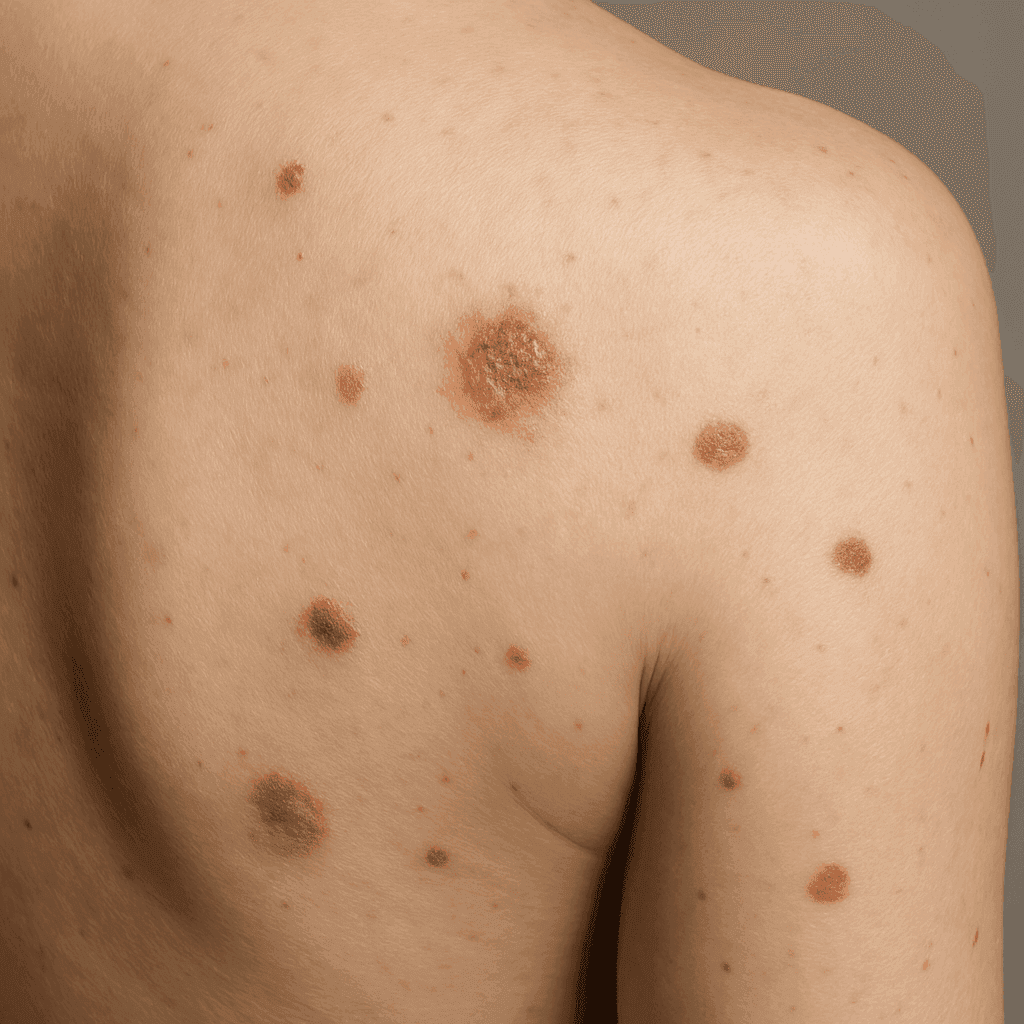
Non-cancerous lesions, such as moles, freckles, and benign growths, are prevalent and typically harmless. Moles (nevi) are small, dark spots that may appear flat or raised. Freckles are small, brownish spots caused by sun exposure. Other non-cancerous growths include seborrheic keratoses and skin tags.
Suspicious Lesions
Potentially cancerous lesions often exhibit distinct characteristics. These may include asymmetry, irregular borders, varied coloration, or a diameter larger than a pencil eraser. Any lesion that changes over time should be assessed by a dermatologist.
Signs You Should See a Dermatologist
It's important to monitor facial skin lesions for any changes or symptoms that could indicate a need for professional evaluation.
Changes in Appearance
Be vigilant for alterations in color, size, or shape of skin lesions. Rapid changes or the emergence of new lesions should prompt a visit to a dermatologist.
Symptoms Accompanying Lesions
Pay attention to lesions that become painful, itchy, or start bleeding. These symptoms can signify an underlying issue that requires medical assessment.
Personal and Family History
Individuals with a history of skin cancer or those with a family history of the disease are at higher risk. Regular check-ups are advisable in such cases.
Diagnosis and Treatment Options
A dermatologist can provide a comprehensive evaluation to determine the nature of skin lesions and recommend appropriate action.
Dermatological Examination
During a skin check, a dermatologist will visually inspect the skin, sometimes using specialized tools like a dermatoscope. This examination helps identify any suspicious lesions.
Biopsy and Testing
If necessary, a biopsy may be performed to obtain a tissue sample for further analysis. This procedure can confirm whether a lesion is benign or malignant.
Treatment Approaches
Treatment for skin lesions varies based on the diagnosis. Options may include surgical removal, cryotherapy, or topical treatments. A dermatologist will recommend the most suitable approach based on individual circumstances.
Preventive Measures for Skin Health
Proactive steps can help maintain skin health and reduce the risk of developing harmful lesions.
Sun Protection and Skincare
Regular use of sunscreen can significantly lower the risk of sun-induced skin damage. Protective clothing and seeking shade are additional measures that enhance protection.
Regular Skin Checks
Conduct self-examinations regularly to monitor for new or changing lesions. Professional evaluations should be scheduled at intervals recommended by your dermatologist, especially if you have risk factors.
Conclusion
Understanding the types of skin lesions and knowing when to seek medical advice is crucial for maintaining facial skin health. Regular monitoring and professional check-ups can aid in early detection, improving outcomes in case of malignant lesions. Prioritize skin health by incorporating preventive measures and staying informed about changes in your skin.
FAQ
What are the most common types of facial skin lesions?
Common facial skin lesions include moles, freckles, skin tags, and seborrheic keratoses. These are generally benign but should be monitored for changes.
How can I tell if a skin lesion is dangerous?
Signs of potentially dangerous lesions include changes in size, shape, or color, as well as the development of symptoms like itching or bleeding.
What should I expect during a dermatology appointment?
Expect a thorough skin examination, where the dermatologist checks for any suspicious lesions. Additional tests, such as a biopsy, may be conducted if necessary.
How often should I have my skin checked by a dermatologist?
The frequency of skin checks depends on individual risk factors but is generally recommended annually for those with a personal or family history of skin cancer.
Are all skin lesions on the face cancerous?
No, most skin lesions on the face are non-cancerous. However, it's important to monitor them for any changes and consult a dermatologist if needed.
Can lifestyle changes help prevent skin lesions?
Yes, adopting sun protection habits and maintaining a healthy skincare routine can help prevent the development of some skin lesions.