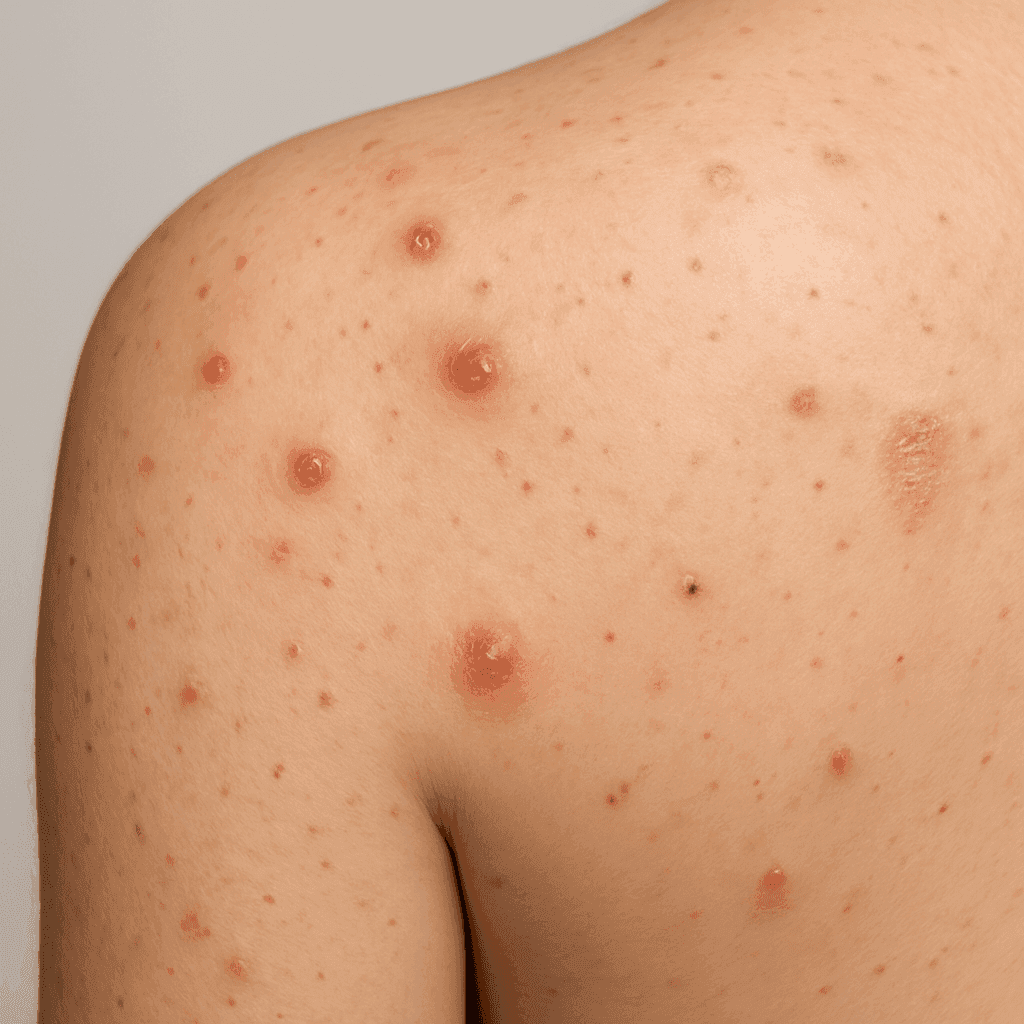
Skin Lesions on the Legs: Common Dermatological Conditions
Overview of skin lesions affecting legs.
Introduction
Skin lesions on the legs can be a common concern for many individuals, affecting both appearance and comfort. These lesions can result from a variety of dermatological conditions, each requiring specific attention and care. Understanding skin lesions specifically affecting the legs is crucial for effective treatment and management. Leg-specific dermatological conditions can vary widely in their causes, symptoms, and necessary interventions, making it important for individuals to recognize and address them appropriately.
Common Skin Lesions on the Legs
Eczema
Eczema, or atopic dermatitis, is a chronic inflammatory skin condition that often appears on the legs. It is characterized by itchy, red, and inflamed patches of skin. Common triggers include allergens, irritants, and stress, which can exacerbate symptoms. Managing eczema involves identifying triggers and using moisturizers and topical steroids to control inflammation.
Psoriasis
Psoriasis is a chronic autoimmune condition that frequently affects the legs. It presents as red, scaly patches that can be itchy or painful. Treatment options include topical treatments, phototherapy, and systemic medications. Managing psoriasis involves regular dermatological consultations to tailor treatment plans.
Fungal Infections
Fungal infections, such as athlete’s foot or ringworm, often affect the legs. These infections are characterized by itchy, scaly rashes. Diagnosis typically involves a clinical examination and sometimes a fungal culture. Management includes antifungal medications and maintaining dry, clean skin.
Contact Dermatitis
Contact dermatitis occurs when skin comes into contact with irritants or allergens, causing red, itchy rashes. Common causes include soaps, detergents, and plants. Preventing contact dermatitis involves avoiding known triggers and using protective clothing.
Leg Ulcers
Leg ulcers are open sores that can result from poor circulation, trauma, or underlying conditions such as diabetes. They require careful management, including wound care and addressing the underlying cause. Treatment often involves compression therapy and regular medical evaluation.
Diagnosing Skin Conditions on the Legs
Clinical Examination
A clinical examination by a dermatologist is essential for diagnosing skin conditions on the legs. This involves a thorough inspection of the affected areas, considering the patient's history and symptoms to identify potential causes.
Skin Biopsy
In some cases, a skin biopsy may be necessary to obtain a definitive diagnosis. This procedure involves taking a small sample of skin tissue for laboratory analysis, which can help in identifying specific skin conditions.
Patch Testing
Patch testing is used to diagnose contact dermatitis. Small amounts of potential allergens are applied to the skin under patches, and reactions are observed to identify specific triggers. This helps in formulating an effective management plan.
Treatment and Management
Topical Treatments
Topical treatments include creams and ointments designed to reduce symptoms such as itching and inflammation. Common topical treatments include corticosteroids and calcineurin inhibitors.
Systemic Medications
For more severe conditions, systemic medications may be prescribed. These can include oral or injectable medications that target the immune system to reduce inflammation and control symptoms.
Lifestyle Modifications
Lifestyle modifications can play a significant role in managing skin conditions on the legs. This includes maintaining good skincare routines, avoiding known triggers, and managing stress effectively.
Prevention of Skin Lesions on the Legs
Skincare Routines
Maintaining a consistent skincare routine can prevent skin lesions. Regular moisturizing, gentle cleansing, and using products suitable for sensitive skin can help maintain skin health.
Protective Clothing and Footwear
Wearing protective clothing and appropriate footwear can reduce the risk of skin lesions. This is particularly important for preventing contact dermatitis and fungal infections.
Managing Underlying Health Conditions
Managing underlying health conditions, such as diabetes or venous insufficiency, is crucial in preventing leg ulcers and other complications. Regular medical check-ups and adhering to prescribed treatments can aid in prevention.
When to See a Dermatologist
Signs That Require Professional Evaluation
It is important to seek professional evaluation if you notice persistent or worsening skin lesions on your legs, especially if they are accompanied by pain, swelling, or changes in color.
Preparing for a Dermatology Appointment
Preparing for a dermatology appointment involves documenting symptoms, potential triggers, and previous treatments. This information can help the dermatologist make an accurate diagnosis and treatment plan.
FAQ
What are the most common causes of skin lesions on the legs?
Common causes include eczema, psoriasis, fungal infections, and contact dermatitis. Identifying the specific cause is essential for effective treatment.
How can I prevent recurring leg skin conditions?
Preventing recurring conditions involves maintaining good skincare, avoiding known triggers, and managing underlying health conditions.
When should I be concerned about a skin lesion on my leg?
Seek medical advice if a lesion changes in size, shape, or color, or if it is accompanied by other symptoms such as pain or swelling.
Can leg skin lesions be a sign of a more serious condition?
Yes, they can sometimes indicate underlying health issues, such as venous insufficiency or diabetes, requiring medical evaluation.
What home remedies can help alleviate leg skin lesions?
Home remedies like moisturizing, using aloe vera, and applying cool compresses can relieve symptoms, but professional guidance is recommended.
How are leg skin lesions different in children compared to adults?
Children may experience different triggers and symptoms, requiring age-appropriate treatments and management strategies.