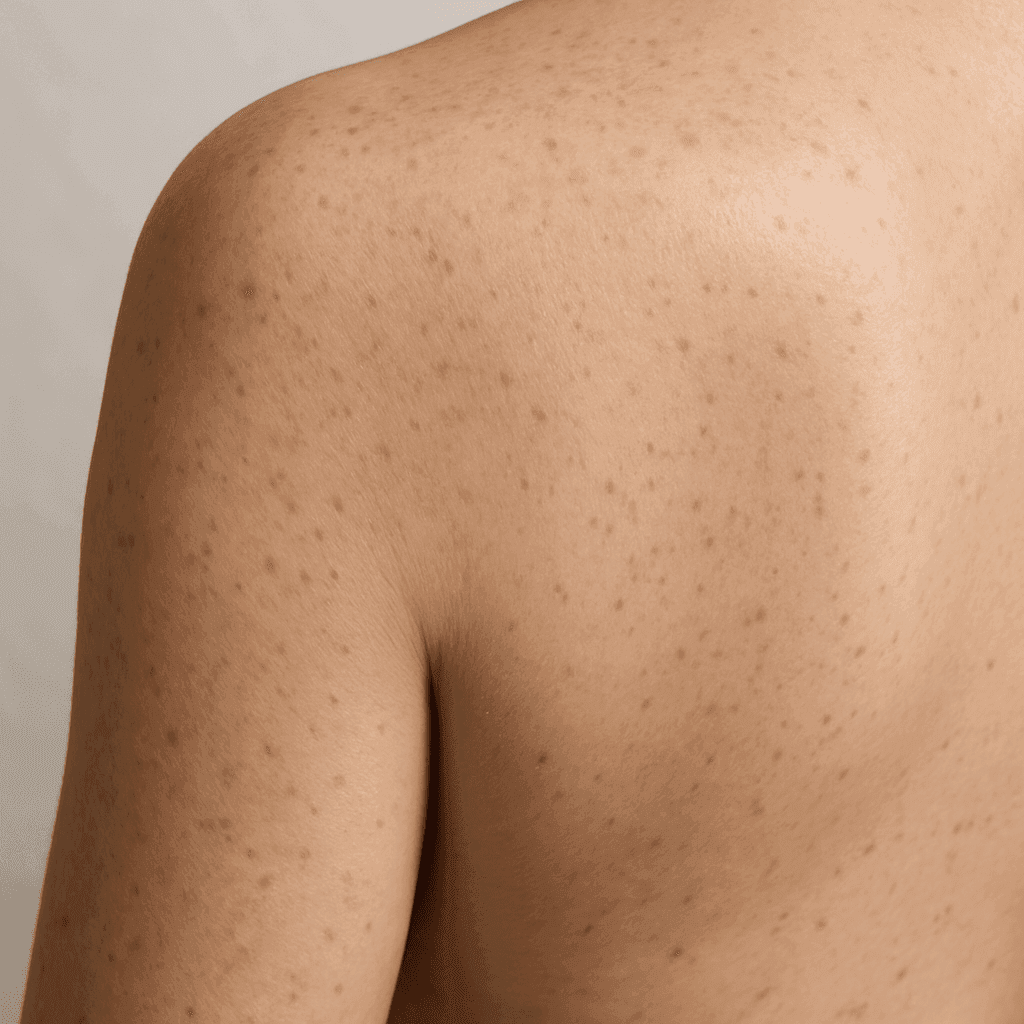
Skin Microbiome – Importance in Dermatology
Exploring the skin microbiome's role in dermatology.
Introduction
The skin microbiome is an intricate ecosystem of microorganisms, including bacteria, fungi, and viruses, residing on the skin's surface. These tiny organisms play a significant role in skin health and are a growing focus within dermatology. Understanding the skin microbiome is crucial, as it influences various skin conditions and overall dermatological health.
Understanding the Skin Microbiome
The skin microbiome is composed of diverse microbial communities that vary depending on the skin's location, moisture levels, and exposure to external factors. This ecosystem develops from birth and evolves with age, influenced by genetic and environmental factors. The balance of these microorganisms is vital for maintaining skin health and preventing diseases.
Importance of Skin Microbiome in Dermatology
The skin microbiome acts as a protective shield, defending against pathogens and supporting the skin barrier function. It contributes to the skin's immune responses and helps in maintaining moisture and pH balance. A well-balanced microbiome is crucial for preventing infections and inflammatory skin conditions.
Skin Microbiome and Common Skin Conditions
Role in Acne Development and Management
Acne is influenced by the skin microbiome, particularly the overgrowth of certain bacteria like Cutibacterium acnes. Managing acne involves maintaining a balanced microbiome through appropriate skincare and sometimes medical intervention.
Influence on Eczema and Dermatitis
Eczema and dermatitis are often linked with an imbalanced microbiome. Research suggests that restoring microbiome diversity can alleviate symptoms and improve skin conditions.
Impact on Psoriasis and Rosacea
Psoriasis and rosacea are chronic skin conditions where the microbiome plays a role. Studies indicate that targeting the microbiome may offer new avenues for managing these conditions.
Factors Affecting Skin Microbiome Balance
Lifestyle choices and environmental factors significantly impact the skin microbiome. Diet, stress, pollution, and skincare routines can alter its balance. Additionally, antibiotics and certain medications may disrupt the microbiome, highlighting the importance of cautious use and medical guidance.
Strategies for Maintaining a Healthy Skin Microbiome
Diet and Probiotics
A diet rich in fruits, vegetables, and probiotics can support a healthy skin microbiome. Probiotics help replenish beneficial bacteria, promoting skin health.
Microbiome-Friendly Skincare Practices
Using gentle, microbiome-friendly skincare products that avoid harsh chemicals can help maintain the microbial balance. Look for products labeled as microbiome-safe or those that include prebiotics and postbiotics.
Advances in Skin Microbiome Research
Microbiome Analysis Techniques
Recent advancements allow for detailed analysis of the skin microbiome, providing insights into personal skin health and potential conditions. These methods are becoming valuable tools for dermatologists.
Future Directions in Dermatological Research
Ongoing research is exploring how microbiome-based therapies can be integrated into dermatology, offering new treatments for skin conditions. Continued research and innovation will likely lead to more personalized and effective dermatological care.
Conclusion
The skin microbiome is integral to maintaining skin health and preventing disease. Its influence on dermatological conditions underscores the importance of balanced microbial communities. Continued research and understanding will pave the way for innovative treatments and improved skin health management.
Frequently Asked Questions
What is the skin microbiome?
The skin microbiome refers to the community of microorganisms, including bacteria, fungi, and viruses, that reside on the skin's surface.
How does the skin microbiome affect skin health?
The skin microbiome plays a crucial role in protecting against pathogens, maintaining skin barrier function, and modulating the immune response.
Can skincare products affect the skin microbiome?
Yes, certain skincare products can disrupt the balance of the skin microbiome, while others are designed to support its health.
How can I support a healthy skin microbiome?
Maintaining a balanced diet, using gentle skincare products, and avoiding unnecessary antibiotics can help support a healthy skin microbiome.
Are there any tests to analyze my skin microbiome?
Yes, there are emerging tests that can analyze the composition of your skin microbiome, providing insights into potential skin conditions.