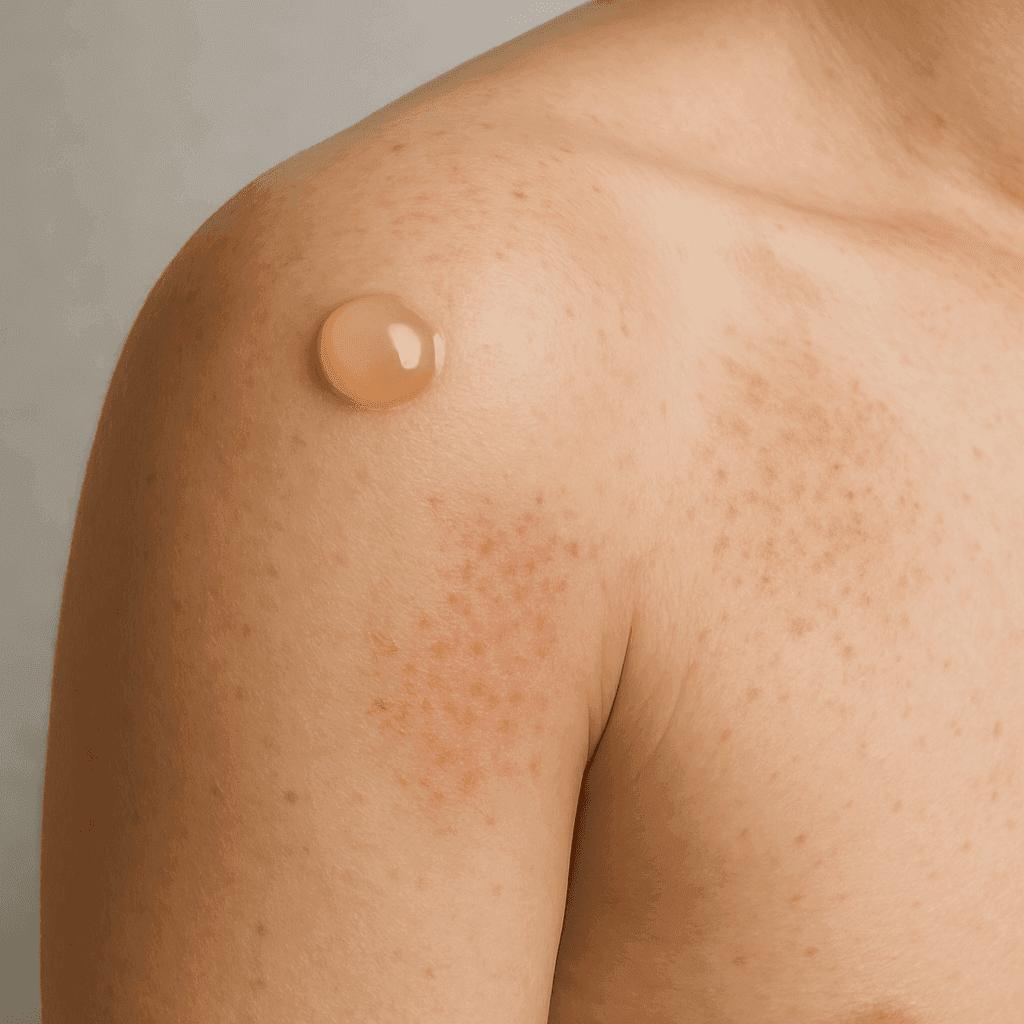
Skin Problems in Athletes: Blisters, Heat Rash and Prevention
Addressing skin issues for athlete health and performance.
Introduction
Athletes often push their bodies to the limits, which can result in various skin problems. These issues, while not life-threatening, can significantly impact performance and overall well-being. Understanding the common skin problems athletes face and how to prevent them is crucial in maintaining skin health and ensuring optimal performance.
The skin is the body's largest organ and serves as the first line of defense against environmental stressors. For athletes, maintaining healthy skin is essential not only for comfort but also for preventing infections and other complications that could hinder their athletic endeavors.
Common Skin Problems in Athletes
Blisters
Blisters are one of the most frequent skin complaints among athletes, particularly in sports that involve running or friction. These fluid-filled pockets form due to repeated rubbing and pressure on the skin, often exacerbated by poorly fitting shoes or equipment.
Prevention is key to managing blisters. Athletes can reduce the risk by selecting properly fitted footwear and using moisture-wicking socks. Applying protective padding or blister prevention tape on high-friction areas can also help. If blisters do occur, it's important to keep them clean and covered to prevent infection, and seek professional guidance if they do not heal properly.
Heat Rash
Heat rash is another common issue, especially in warm, humid environments. It occurs when sweat ducts become blocked, trapping sweat under the skin. This can lead to discomfort and itching, distracting athletes from their performance.
To manage heat rash, athletes should wear loose, breathable clothing and ensure they hydrate adequately. Cooling the skin with showers or air conditioning can also provide relief. In persistent cases, consulting a healthcare provider is advisable.
Other Skin Conditions
Athletes are also prone to other skin conditions like chafing, which occurs from skin rubbing against clothing or other skin surfaces. This can be prevented by wearing moisture-wicking, seamless attire and using lubricants on high-friction areas.
Fungal infections, such as athlete's foot, are another concern. These thrive in damp conditions, commonly affecting those who frequently use communal showers. Ensuring proper foot hygiene, keeping feet dry, and using antifungal powders can help prevent these infections.
Contact dermatitis can result from exposure to certain materials in sports gear. Identifying and avoiding the irritant, or using barrier creams, can minimize the risk of developing this condition.
Prevention Tips for Athletes
Athletes can take several proactive steps to prevent skin problems. Choosing the right clothing and gear is crucial; breathable, moisture-wicking fabrics help reduce sweat-induced irritation. Proper fit is also vital to avoid friction and chafing.
Maintaining a consistent hygiene routine is essential. This includes showering immediately after workouts, thoroughly drying off, and using non-irritating skin products. Hydration plays a pivotal role in skin health; athletes should ensure adequate fluid intake to maintain skin elasticity and resilience.
Best Practices for Skin Care
- Use hypoallergenic and fragrance-free products.
- Regularly inspect skin for changes or signs of irritation.
- Consult a dermatologist for personalized skin care advice.
Conclusion
Addressing skin issues promptly and effectively can make a significant difference in an athlete's comfort and performance. By understanding common skin problems and taking preventive measures, athletes can maintain optimal skin health. Proactive skin care not only enhances performance but also contributes to overall well-being.
Athletes are encouraged to seek professional advice when needed and consider online options for skin care analysis and consultation.
FAQ
What are the most common skin problems athletes face?
Athletes commonly encounter blisters, heat rash, chafing, fungal infections, and contact dermatitis. These issues arise from friction, sweat, and exposure to various materials.
How can athletes prevent blisters during training?
Preventing blisters involves choosing well-fitted shoes, wearing moisture-wicking socks, and using protective padding or tape on vulnerable areas.
What should be done if an athlete develops heat rash?
Managing heat rash includes wearing loose clothing, staying hydrated, and cooling the skin. Persistent cases may require consultation with a healthcare provider.
Are there specific products recommended for athlete skin care?
Athletes should use hypoallergenic, fragrance-free products and consider antifungal powders for foot care.
How does sweat contribute to skin problems in sports?
Sweat can lead to heat rash, chafing, and fungal infections if not managed properly. Moisture-wicking fabrics and proper hygiene can mitigate these issues.
Can diet impact an athlete's skin health?
Yes, a balanced diet rich in vitamins and minerals supports skin health. Adequate hydration is also crucial for maintaining skin elasticity and resilience.