Skin and hormones - impact of menstrual cycle, menopause, pregnancy
How hormones affect the skin at different stages of a woman's life.
Introduction
Hormones play a key role in the functioning of our body, affecting many aspects of health, including skin condition. They are chemical compounds produced by the endocrine glands that regulate the activity of various tissues and organs. In the context of dermatology, hormones such as estrogens, progesterone, and androgens can affect sebum production, skin elasticity, and the appearance of skin changes. Understanding these processes is crucial for skin care.
The impact of the menstrual cycle on the skin
Hormonal changes during the cycle
During the menstrual cycle, hormone levels, such as estrogens and progesterone, undergo significant changes. In the follicular phase, or at the beginning of the cycle, the skin may appear more radiant and less oily. This is when estrogen dominates, which supports collagen production and skin hydration. Then, during ovulation, the complexion may improve, but some women may experience breakouts as a result of a sudden increase in androgens.
How to care for your skin during your cycle?
During the luteal phase, which follows ovulation, progesterone levels rise. The skin may become more oily, leading to premenstrual acne. It is recommended to use light, non-comedogenic moisturizers and avoid heavy makeup. A diet rich in antioxidants and omega-3 fatty acids can also support skin health.
Skin and menopause
Hormonal changes during menopause
Menopause is a time when estrogen production drops significantly, which affects skin quality. Estrogens play a key role in maintaining skin elasticity and hydration. Their decline leads to increased dryness, loss of elasticity, and the appearance of wrinkles. These symptoms are a common challenge for women during menopause.
Skin care during menopause
To minimize the effects of estrogen decline, it is worth using cosmetics containing substances such as hyaluronic acid, retinoids, and peptides. These ingredients support collagen production and skin hydration. Natural methods, such as the use of vegetable oils and regular facial massages, can further support skin care.
Pregnancy and skin condition
Hormonal changes during pregnancy
During pregnancy, hormone levels, including progesterone and estrogen, increase significantly, which can affect the skin of expectant mothers. These changes can lead to various skin problems, such as melasma, discoloration, and an increased risk of stretch marks.
How to care for your skin during pregnancy?
During pregnancy, it is important to use safe cosmetics that will not harm the developing baby. Ingredients such as retinoids and salicylic acid, which can be harmful, should be avoided. A diet rich in vitamins and minerals and adequate hydration help to keep the skin in good condition.
Hormonal skin problems
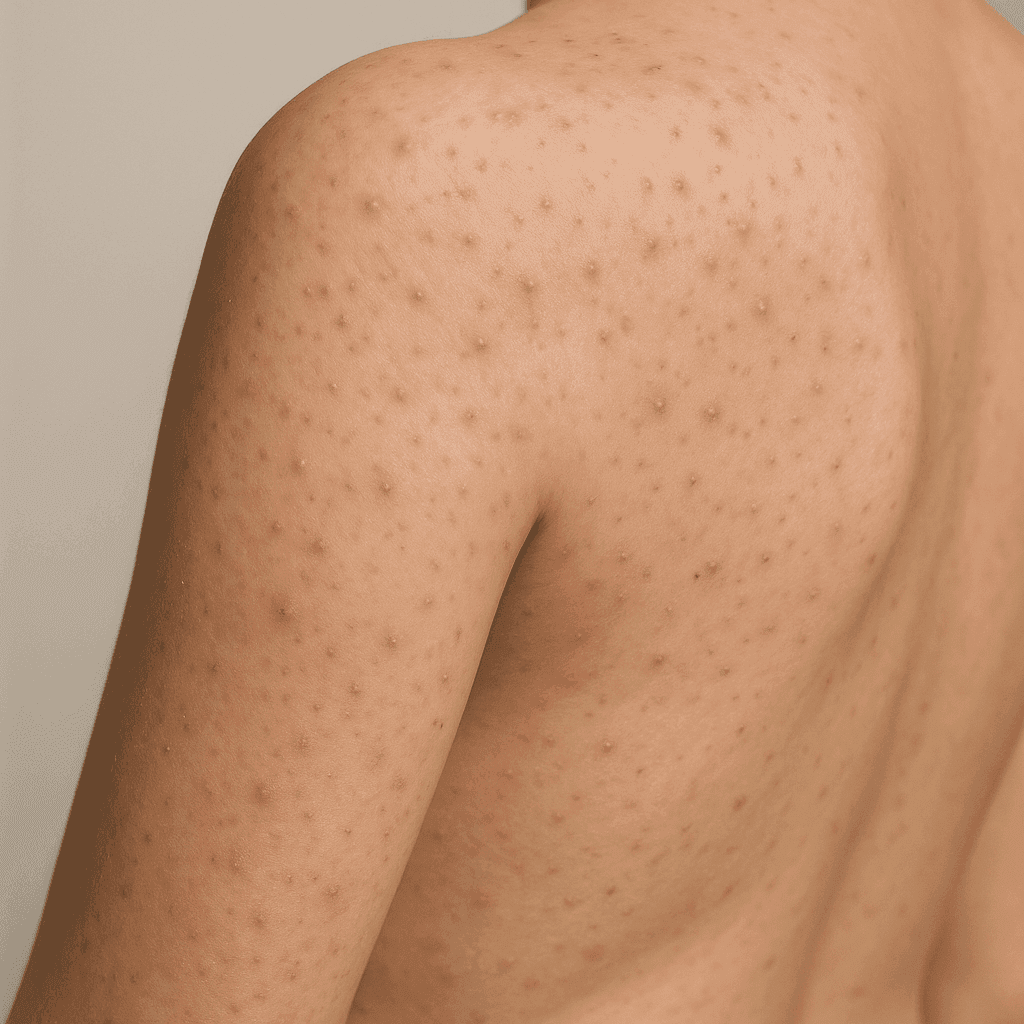
Hormonal acne
Hormonal acne often occurs as a result of changes in androgen levels, which stimulate sebum production. It manifests as painful, red pimples, most often on the jawline and chin. Treatment for hormonal acne includes the use of topical retinoids and, in some cases, hormone therapy.
Other hormone-related skin changes
Hormonal changes can also lead to melasma, which manifests as dark discoloration on the skin. Dry skin and loss of elasticity are other problems that can result from changing hormone levels. Regular use of moisturizers and sunscreen can help alleviate these symptoms.
Summary
Hormones play an important role in skin health, affecting its appearance and condition at different stages of a woman's life. Understanding these changes and providing appropriate care can help maintain healthy skin. A holistic approach, combining proper diet, skin care, and medical support, is key to managing hormonal skin changes.