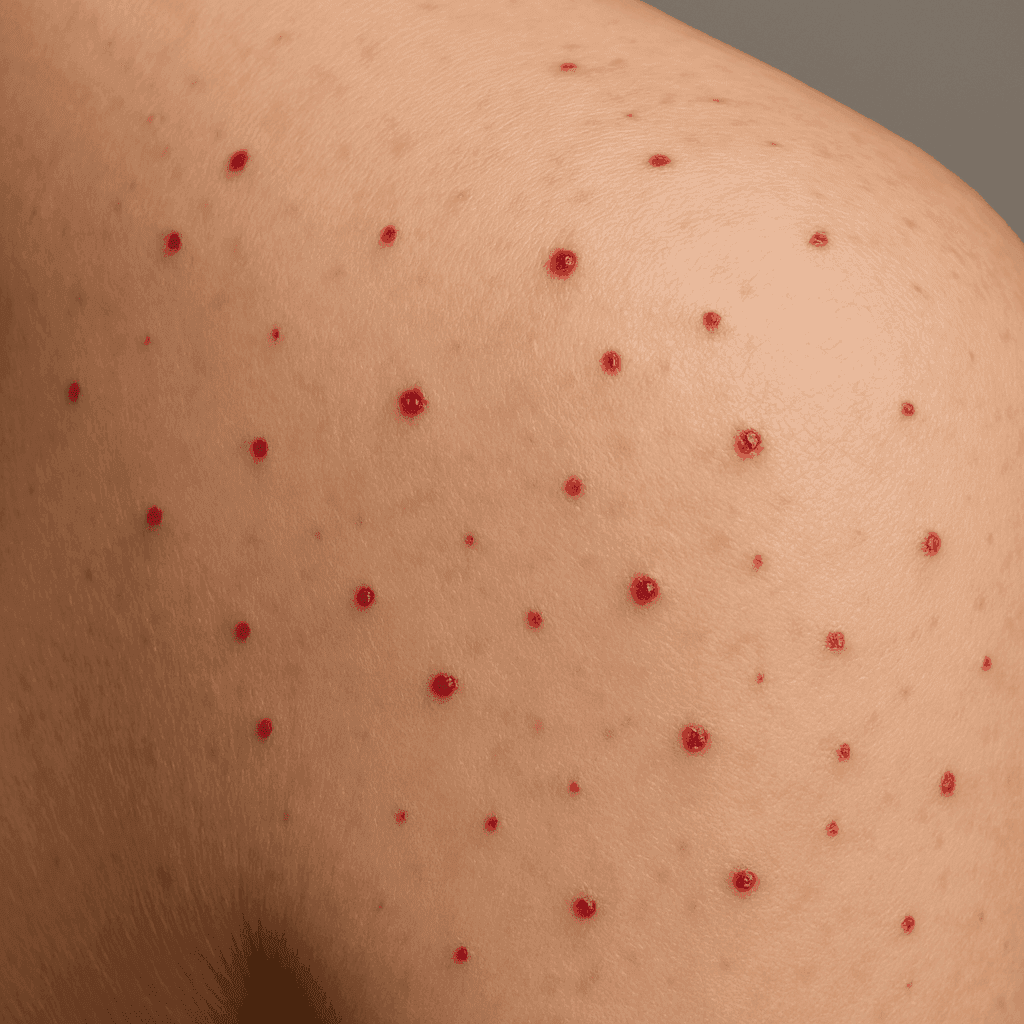
Small Red Dots on the Skin – Are They Cherry Angiomas?
Understanding cherry angiomas and their causes.
Introduction
The appearance of small red dots on the skin can be alarming, often prompting questions about their origin and significance. One common type of these red spots is cherry angiomas, which are usually benign but can cause concern due to their appearance. In this article, we will explore what cherry angiomas are, how they can be identified, and the steps you can take if you notice these spots on your skin.
What are Cherry Angiomas?
Cherry angiomas are small, benign growths made up of blood vessels. They typically appear as bright red, raised spots on the skin and can occur anywhere on the body. While they can develop at any age, they are more common in individuals over 30. Cherry angiomas are usually round or oval and can vary in size from a pinhead to about a quarter of an inch.
Causes of Small Red Dots on the Skin
Cherry angiomas are often linked to genetics and aging but their exact cause is not fully understood. Other factors that might contribute include hormonal changes, exposure to certain chemicals, and liver conditions. It's important to distinguish cherry angiomas from other potential causes of red skin spots, such as petechiae, which can indicate bleeding disorders.
Cherry Angiomas vs. Other Skin Conditions
While cherry angiomas are generally harmless, it's crucial to differentiate them from petechiae, which are flat, pinpoint red spots that can signal a more serious condition. Other skin conditions that may resemble cherry angiomas include spider angiomas and hemangiomas, which also involve blood vessels but differ in their implications and treatments.
How to Identify Cherry Angiomas
Cherry angiomas can be identified by their distinct red color and smooth, dome-shaped appearance. They are typically painless and do not cause any symptoms other than their presence on the skin. However, a definitive diagnosis should be made by a healthcare professional, who may use dermatoscopy to confirm their nature.
Treatment Options for Cherry Angiomas
Most cherry angiomas do not require treatment unless they bleed frequently or are located in a spot that causes discomfort. Treatment options include laser therapy and electrocauterization, which are effective in removing these lesions. For those seeking natural remedies, some suggest apple cider vinegar or tea tree oil, though their efficacy is not scientifically proven.
Are Cherry Angiomas Dangerous?
Cherry angiomas are generally considered harmless and are not linked to skin cancer or any other serious health conditions. However, any changes in their appearance or an increase in number should be evaluated by a healthcare professional to rule out other underlying conditions. If a cherry angioma bleeds frequently, it might need medical attention.
Prevention and Management
While cherry angiomas cannot always be prevented due to their genetic and age-related nature, maintaining a healthy lifestyle may help manage their occurrence. This includes protecting the skin from excessive sun exposure and avoiding harsh chemicals. Regular skin checks can also help in early identification and management.
Cherry Angiomas and Overall Health
Cherry angiomas are often associated with aging, as they are more common in older adults. There may be a genetic predisposition to developing them, suggesting that family history could play a role. Although there is no direct link to liver health, any sudden increase in skin spots should be discussed with a healthcare provider.
FAQ
What should I do if a cherry angioma starts to bleed?
If a cherry angioma begins to bleed, apply pressure with a clean cloth to stop the bleeding and seek medical advice if it persists.
Can cherry angiomas appear suddenly?
Cherry angiomas can appear suddenly and increase in number as a person ages. They are usually not a cause for concern unless accompanied by other symptoms.
Are cherry angiomas a sign of cancer?
No, cherry angiomas are benign growths and not associated with cancer. However, any changes should be evaluated by a healthcare professional.
How common are cherry angiomas in children?
Cherry angiomas are less common in children and tend to appear more frequently in adults over 30.
Do cherry angiomas go away on their own?
Cherry angiomas typically do not go away on their own but are harmless and often left untreated unless they cause discomfort.
Can lifestyle changes prevent cherry angiomas?
While lifestyle changes may not prevent cherry angiomas entirely, maintaining skin health and avoiding risk factors can help manage their appearance.