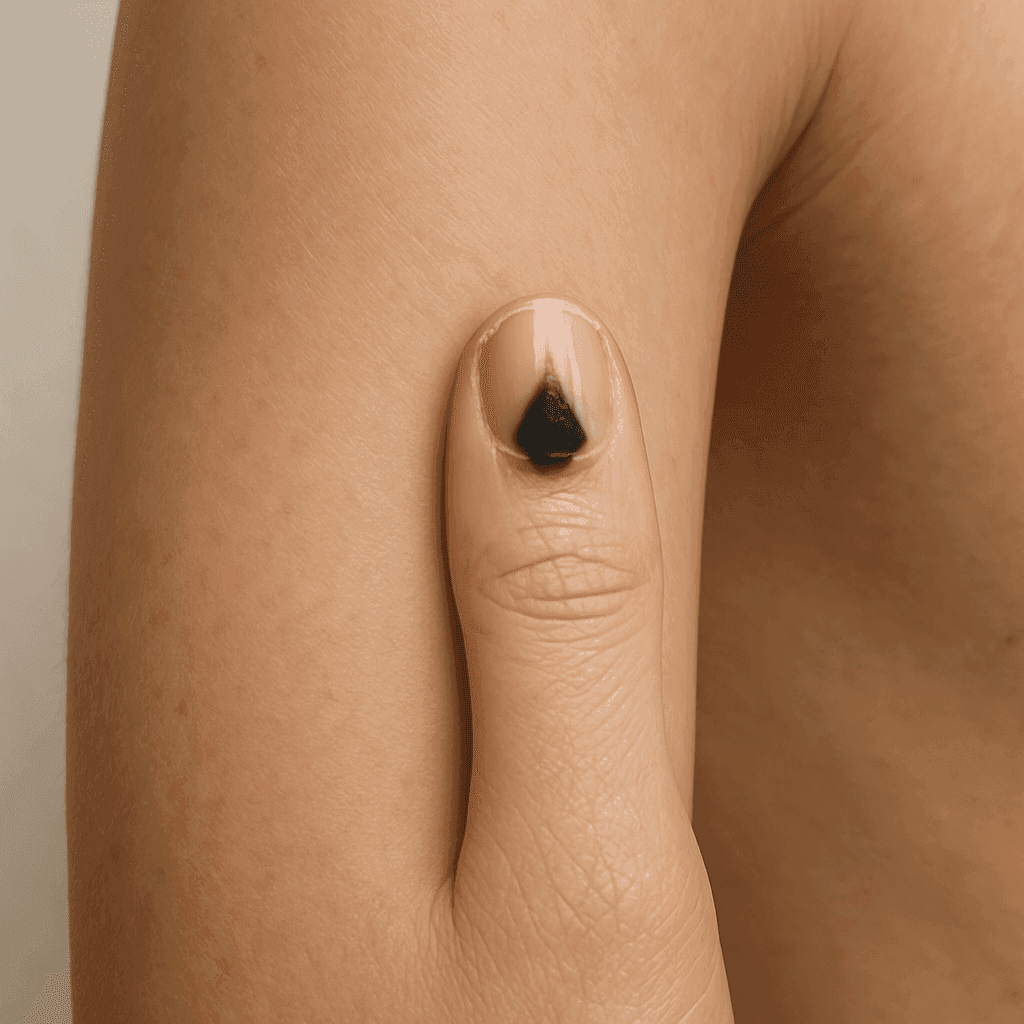
Subungual Melanoma – Melanoma Under the Nail
Understanding and detecting subungual melanoma early.
Introduction
Subungual melanoma is a rare type of melanoma occurring under the nail. It is crucial to detect it early for better treatment outcomes. This article aims to provide comprehensive information about subungual melanoma, its causes, symptoms, diagnosis, treatment options, and preventive measures. Understanding this condition can help in distinguishing it from other nail conditions and ensuring timely medical intervention.
What is Subungual Melanoma?
Subungual melanoma is a form of skin cancer that develops under the nail plate. Unlike other types of melanoma, it often presents as a dark streak or discoloration on the nail. This can sometimes be mistaken for a bruise or fungal infection, which makes diagnosing it challenging. Understanding the characteristics that set it apart from benign conditions is essential for early detection and treatment.
Causes and Risk Factors
Subungual melanoma may be influenced by several factors, including genetic predispositions and environmental influences. Family history plays a significant role, as does prolonged exposure to UV light. Lifestyle factors, such as smoking, can also increase risk. Understanding these factors can aid in identifying individuals at higher risk and emphasizing preventive strategies.
Symptoms and Early Signs
Early signs of subungual melanoma include a new dark streak on the nail, changes in the color or texture of the nail, and a slow-healing nail injury. Differentiating these symptoms from nail trauma or infections is crucial. While a fungal infection may cause discoloration, it usually affects multiple nails and is accompanied by texture changes, whereas melanoma typically affects one nail.
Diagnosing Subungual Melanoma
Diagnosis involves a thorough examination by a dermatologist, often leading to a biopsy. A biopsy is the definitive method to diagnose subungual melanoma, allowing for microscopic examination of tissue. Other diagnostic tools include dermoscopy and imaging, which help in assessing the extent of the lesion and planning treatment.
Treatment Options
Treatment typically involves surgical removal of the affected nail and surrounding tissue. In some cases, more extensive surgery may be needed to remove affected areas. Non-surgical treatments, such as targeted therapy or immunotherapy, are being explored as adjuncts to surgery. Early-stage melanoma may have more straightforward treatment options compared to advanced cases.
Prognosis and Survival Rates
Subungual melanoma prognosis depends on the stage at diagnosis. Early detection significantly improves survival rates, with localized melanoma having a better outcome. Advanced stages may have a lower survival rate, but new therapies are improving prognoses. Regular monitoring and follow-ups are essential for managing the condition effectively.
Prevention and Early Detection
Preventive measures include protecting nails from UV exposure and avoiding nail trauma. Regular self-examinations can help in early detection, as can professional check-ups. Awareness of changes in nail appearance is crucial, and consulting a healthcare provider promptly if changes occur can lead to earlier diagnosis and treatment.
Subungual Melanoma vs. Other Nail Conditions
Subungual melanoma can be confused with other nail conditions such as fungal infections or trauma. Key differences include the pattern of discoloration and the number of nails affected. Fungal infections often involve multiple nails and are accompanied by nail thickening, while melanoma typically affects a single nail with a distinct color change.
Living with Subungual Melanoma
Managing life with subungual melanoma involves regular follow-ups and adopting coping strategies. Support groups and counseling can provide emotional support. Adhering to treatment plans and staying informed about new therapies can help manage the condition effectively. Professional guidance is crucial in navigating the challenges of living with melanoma.
Frequently Asked Questions
What are the first signs of subungual melanoma?
The first signs include a dark streak or discoloration on the nail, often affecting a single nail.
How is subungual melanoma diagnosed?
Diagnosis typically involves a biopsy and dermoscopic examination by a dermatologist.
Can subungual melanoma be cured?
Early-stage melanoma may be curable with surgical intervention, while advanced cases require more comprehensive treatment.
What are the treatment options for subungual melanoma?
Treatments include surgical removal, and in some cases, targeted therapy or immunotherapy.
How can I prevent melanoma under the nail?
Prevention includes protecting nails from UV exposure and avoiding trauma.
Is nail discoloration always a sign of melanoma?
Not always; it can be due to infections or trauma, but persistent changes should be evaluated by a healthcare provider.