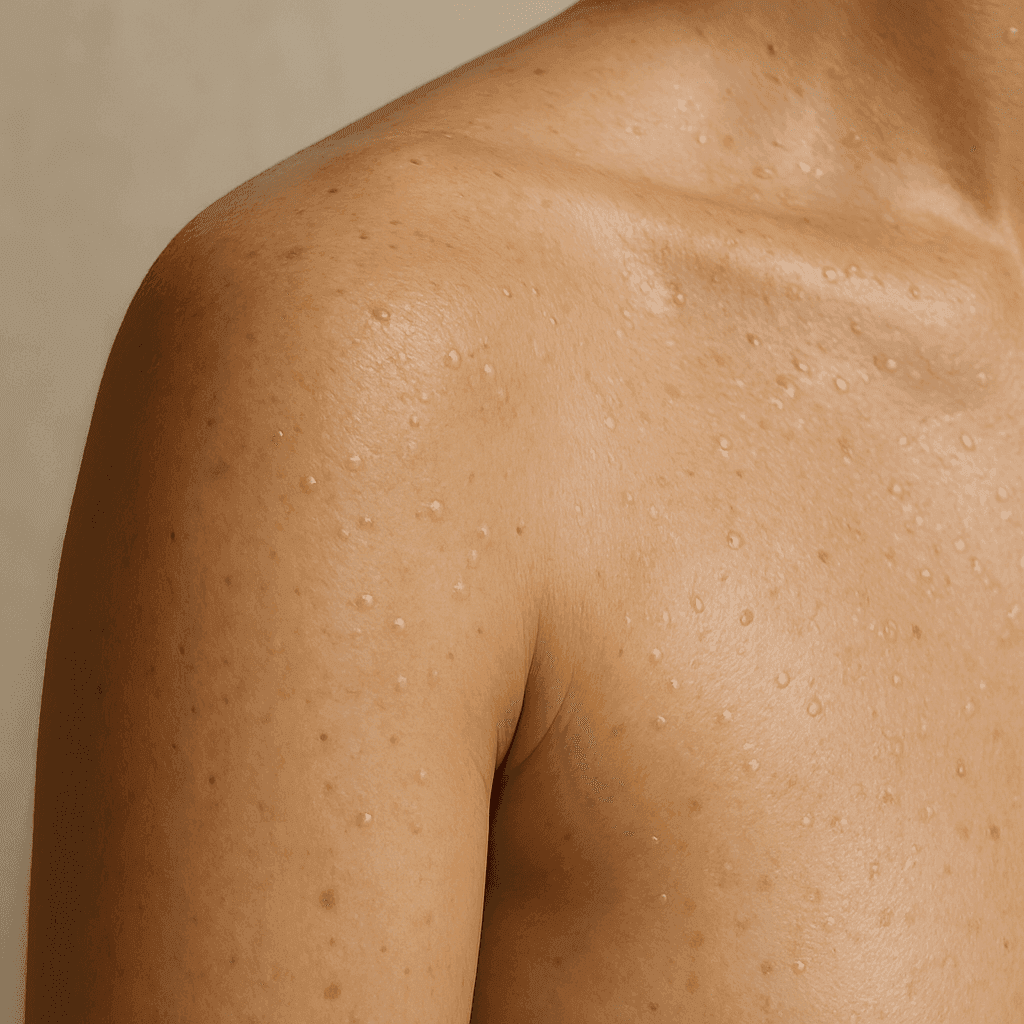
Taking Care of Your Skin in Tropical Climates: Humidity, Sun and Sweat
Skincare tips for tropical climates and humidity.
Introduction
Living in tropical climates presents unique challenges for skin care. The combination of high humidity, constant sun exposure, and increased sweating can lead to a variety of skin issues. To maintain healthy skin, it is crucial to adapt your skincare routine to these conditions. This article will guide you through essential tips and strategies to protect and care for your skin in tropical environments.
Understanding Tropical Climate Effects on Skin
Tropical climates are characterized by high humidity and intense sun exposure, which can have significant effects on skin health. Humidity can lead to increased oil production, making skin appear greasy and prone to breakouts. It can also cause pores to become clogged and result in conditions like acne.
The Impact of Constant Sun Exposure
The sun's rays are more intense in tropical regions, leading to a higher risk of skin damage. Prolonged exposure can cause sunburn, premature aging, and increase the risk of skin cancer. Sweat is another factor that affects the skin in tropical climates. While sweating helps cool the body, it can also lead to skin irritation and acne if not managed properly.
Essential Skincare Tips for Tropical Climates
Daily Cleansing Routines: In tropical climates, it is important to cleanse the skin twice daily to remove excess oil, sweat, and dirt. A gentle cleanser that does not strip the skin of its natural oils is ideal.
Importance of Exfoliation in Humid Weather
Regular exfoliation helps remove dead skin cells and prevents clogged pores. Opt for a mild exfoliant 1-2 times a week to maintain clear skin.
Choosing the Right Moisturizer: Look for lightweight, non-comedogenic moisturizers that hydrate without clogging pores. Ingredients like hyaluronic acid can be beneficial in maintaining skin hydration without adding excess oil.
Sun Protection Strategies
Choosing the right sunscreen is crucial in tropical climates. Opt for a broad-spectrum sunscreen with an SPF of at least 30, and apply it 15 minutes before sun exposure. Reapply every two hours or more frequently if swimming or sweating.
Protective Clothing and Accessories
Wear wide-brimmed hats, sunglasses, and long-sleeved shirts to provide an additional layer of protection against the sun. Timing outdoor activities to avoid peak sun hours, typically between 10 a.m. and 4 p.m., can also help minimize sun exposure.
Managing Common Skin Issues in Tropical Climates
Treating and Preventing Sunburn: If sunburn occurs, cool the skin with a damp cloth or take a cool bath. Apply aloe vera gel or a moisturizer to soothe the skin.
Dealing with Heat Rash and Prickly Heat
To prevent heat rash, wear loose, breathable clothing and stay in air-conditioned environments when possible. If a rash develops, keep the area dry and apply calamine lotion for relief.
Managing Acne and Oily Skin: Use oil-free skincare products and blotting papers to manage excess oil. Incorporate salicylic acid or benzoyl peroxide into your routine to help control breakouts.
Advanced Skincare Techniques
Incorporating antioxidants like vitamin C into your skincare routine can help protect skin from environmental damage. These ingredients neutralize free radicals generated by UV exposure, reducing signs of aging.
Repairing and Maintaining the Skin Barrier
Use products that contain ceramides and niacinamide to strengthen the skin barrier, keeping it resilient against environmental stressors. Anti-aging strategies should focus on prevention and maintaining hydration without heavy creams that can clog pores.
Natural Remedies and DIY Solutions
Aloe vera is a popular natural remedy for sunburn relief due to its soothing properties. Applying cool, pure aloe vera gel can help reduce redness and inflammation.
Homemade Face Masks for Hydration and Soothing
Create a soothing face mask with ingredients like oatmeal and honey to calm the skin and retain moisture. These natural solutions can complement your regular skincare routine, providing additional care and relief.
Conclusion
Caring for your skin in tropical climates requires a thoughtful approach that addresses the unique challenges posed by humidity, sun, and sweat. By adapting your skincare routine to these conditions, you can maintain healthy, radiant skin. Remember, consistency is key, and it's important to adjust your skincare products and techniques as needed to suit your environment.
FAQs
What is the best way to prevent sunburn in tropical climates?
The best way to prevent sunburn is to use a broad-spectrum sunscreen with an SPF of 30 or higher, wear protective clothing, and avoid the sun during peak hours.
How often should I reapply sunscreen in a humid environment?
Reapply sunscreen every two hours, or more frequently if swimming or sweating.
Can natural remedies effectively treat sunburn?
Yes, natural remedies like aloe vera can soothe sunburn, but they should be used in conjunction with professional advice if the burn is severe.
What are the signs of heat rash, and how can it be treated?
Heat rash appears as small red bumps and can be treated by keeping the area dry and cool, and applying calamine lotion.
How can I manage oily skin in hot and humid weather?
Use oil-free products and blotting papers, and incorporate salicylic acid or benzoyl peroxide to control oil and breakouts.
Is it necessary to change my skincare routine if I move to a tropical region?
Yes, adapting your skincare routine to the climate is essential for maintaining skin health in tropical environments.