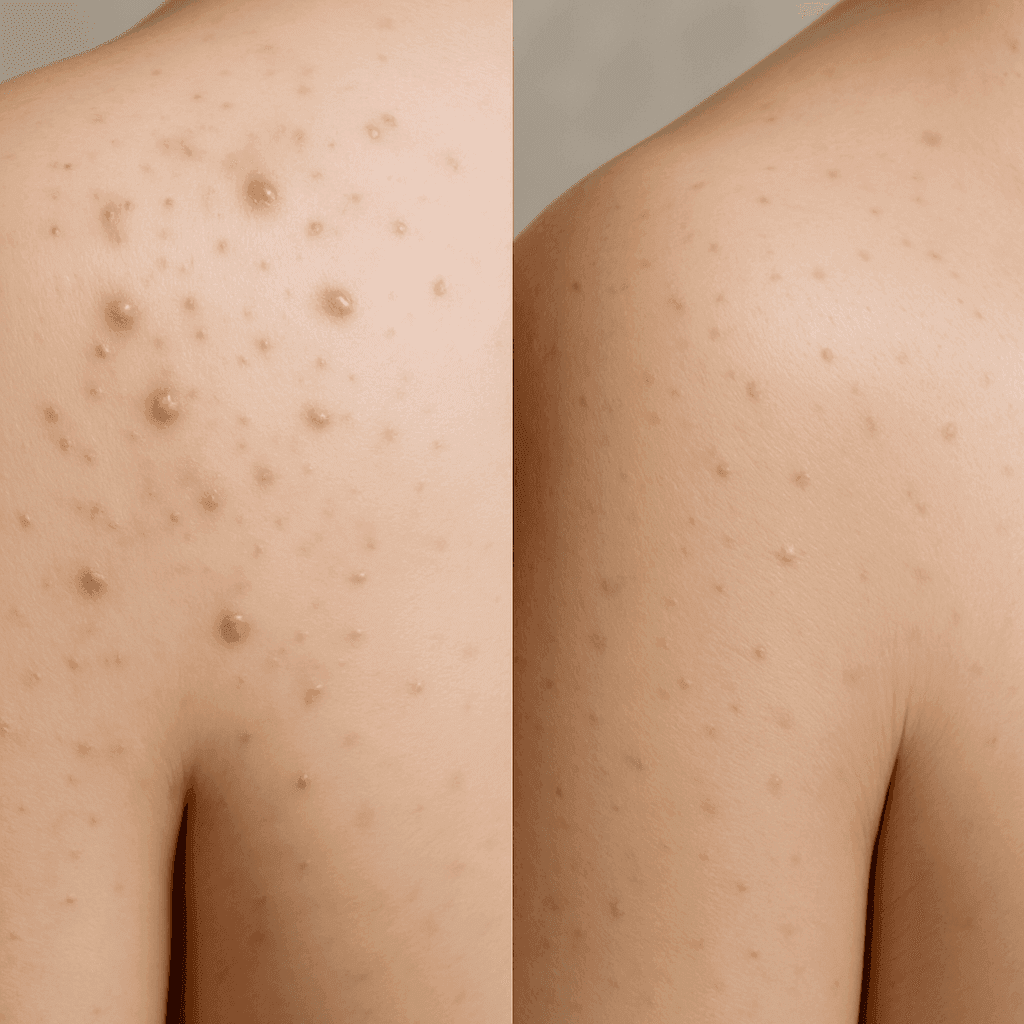
Teen Acne vs. Adult Acne: Different Skin Care Approaches
Explore distinct acne care for teens and adults.
Introduction
Acne is a prevalent skin condition that affects individuals of all ages, from teenagers to adults. Understanding the differences between teen acne and adult acne is crucial for effective management and treatment. This article explores the causes, skincare routines, and treatment options tailored to each group.
Understanding Acne
What is Acne?
Acne is a skin condition characterized by the presence of pimples, blackheads, and cysts. It is primarily caused by clogged pores, increased oil production, and bacteria. Hormonal fluctuations and genetic predispositions further contribute to acne development.
Common Myths About Acne
There are many myths surrounding acne, such as the belief that it is caused by poor hygiene or that chocolate consumption leads to breakouts. In reality, acne is a complex condition influenced by various factors, not just diet or cleanliness.
Teen Acne
Causes of Teen Acne
Teen acne is often linked to hormonal changes during puberty, which lead to increased oil production. Genetics also play a significant role, as a family history of acne can increase the likelihood of developing the condition.
Skincare Routine for Teenage Acne
A consistent skincare routine is vital for managing teen acne:
- Cleanse: Use a gentle cleanser twice daily.
- Exfoliate: Use products with salicylic acid 2-3 times a week.
- Moisturize: Apply a light, non-comedogenic moisturizer.
- Protect: Use sunscreen daily to prevent sun damage.
Treatment Options for Teen Acne
Over-the-counter treatments like benzoyl peroxide and salicylic acid are often effective for mild acne. If over-the-counter options do not yield results, consulting a dermatologist is recommended for prescription treatments.
Adult Acne
Causes of Adult Acne
Adult acne can be triggered by hormonal imbalances, stress, and lifestyle factors. Unlike teen acne, adult acne is often characterized by deeper, more inflamed lesions.
Skincare Routine for Adult Acne
Adults should tailor their skincare routine to address specific concerns:
- Cleanse: Use a gentle, hydrating cleanser.
- Treat: Incorporate retinoids or alpha hydroxy acids.
- Moisturize: Use products with hyaluronic acid.
- Protect: Broad-spectrum sunscreen is essential.
Treatment Options for Adult Acne
Prescription medications, such as topical retinoids, oral antibiotics, or hormonal treatments, may be necessary. Dermatological procedures like chemical peels or laser therapy can also be beneficial.
Comparing Teen and Adult Acne
Key Differences in Causes
Teen acne is primarily driven by puberty-induced hormonal changes, whereas adult acne may stem from ongoing hormonal fluctuations and stress. Genetic factors can influence both types.
Variations in Treatment Approaches
Teen acne often responds well to over-the-counter treatments, while adult acne may require more intensive interventions such as prescription medications. Skincare routines should be adjusted based on age-specific skin concerns.
Long-term Management Strategies
Both teenagers and adults benefit from a consistent skincare routine and stress management. Understanding personal acne triggers can aid in long-term management.
Lifestyle and Acne
The Role of Diet in Acne
Emerging research suggests that diet can influence acne. High-glycemic foods and dairy have been linked to increased breakouts in some individuals. Maintaining a balanced diet with plenty of fruits, vegetables, and whole grains may help manage acne.
Stress Management and Acne Prevention
Stress can exacerbate acne by increasing oil production and inflammation. Incorporating stress-reducing activities like yoga, meditation, or regular exercise can positively impact skin health.
Conclusion
Understanding the differences between teen and adult acne is essential for selecting the appropriate skincare and treatment options. While over-the-counter treatments may suffice for mild teen acne, adult acne often requires a more comprehensive approach. It is always advisable to consult with a dermatologist for personalized advice.
FAQs
What are the main differences between teen and adult acne?
Teen acne is often linked to puberty and typically presents as blackheads and whiteheads, while adult acne can be more inflammatory and is influenced by stress and hormonal changes.
Can diet really affect acne outbreaks?
Yes, diet can play a role in acne development. High-glycemic foods and dairy products have been associated with increased breakouts in some individuals.
How can stress influence acne development?
Stress can trigger hormonal changes that increase oil production and inflammation, leading to acne flare-ups.
Are there specific products that work better for adult acne compared to teen acne?
Adult acne may benefit from products containing retinoids, while teens might find salicylic acid and benzoyl peroxide more effective.
When should someone with acne see a dermatologist?
Consult a dermatologist if over-the-counter treatments are ineffective, if acne is severe, or if scarring occurs.
Is it possible to completely cure acne?
While acne can be managed effectively, it may not be completely cured. Consistent treatment and lifestyle adjustments can significantly reduce its impact.