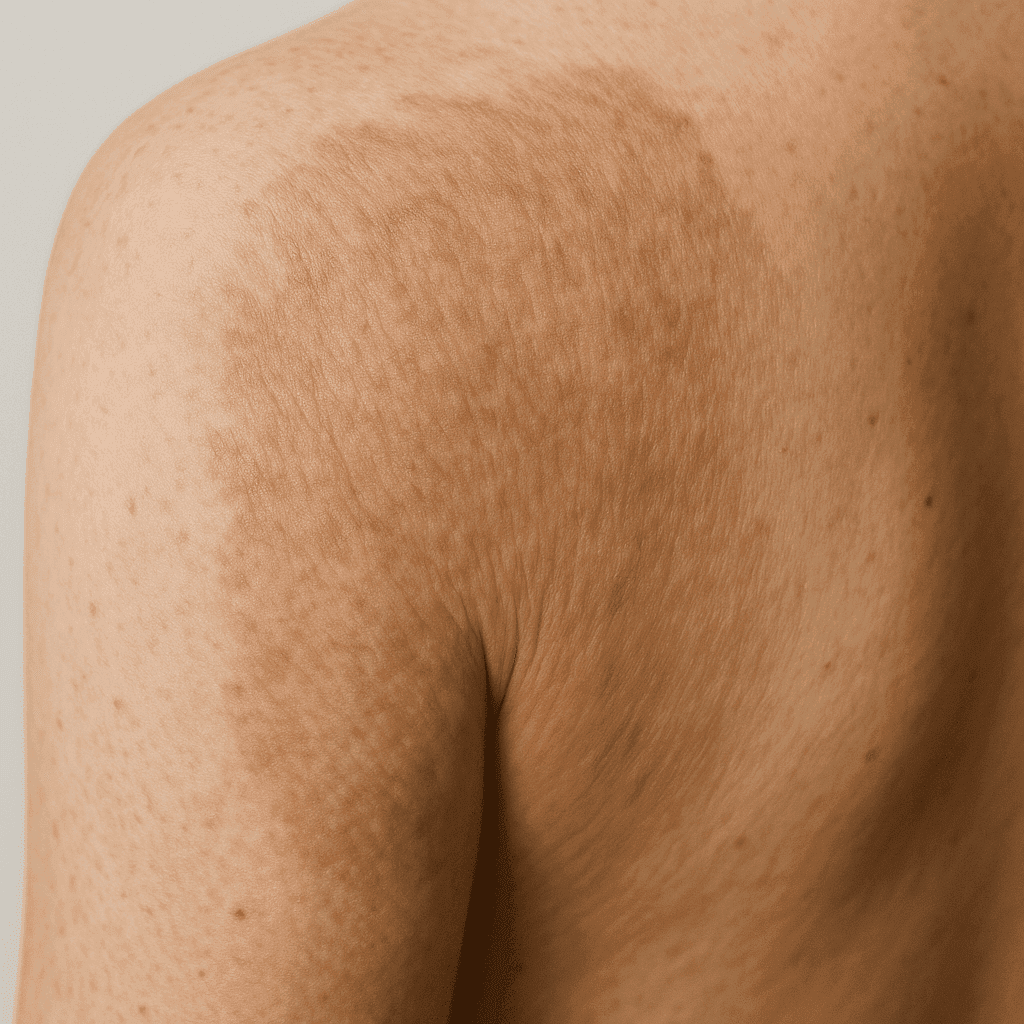
Scleroderma - a rare skin disease
Understanding the symptoms, causes and treatment of scleroderma.
Introduction
Scleroderma, also known as scleroderma, is a rare autoimmune disease characterized by excessive collagen deposition in the skin and other organs. This disease can affect many aspects of patients' lives, and its course can vary depending on its form and severity. Scleroderma is more commonly diagnosed in women, and its exact causes are not fully understood. Diagnosing scleroderma is an important step in ensuring that patients receive appropriate treatment and support.
Symptoms of scleroderma
Early symptoms of scleroderma may include skin changes such as hardening, discoloration, and thickening. Differentiating between systemic and limited scleroderma is crucial for determining the appropriate treatment. Systemic scleroderma may involve symptoms from internal organs, while limited scleroderma is usually confined to skin changes. Early recognition of skin changes can speed up diagnosis and improve prognosis.
Causes and risk factors
Genetic factors
Genetic studies indicate a certain hereditary predisposition to the development of scleroderma. Although no single gene responsible for this disease has been identified, there are many indications of a complex genetic process.
Autoimmune aspects of scleroderma
Scleroderma is an autoimmune disease, which means that the patient's immune system attacks its own cells and tissues. The immunological mechanisms leading to collagen overproduction are still being studied.
Environmental risk factors
Certain environmental factors, such as exposure to chemicals, may increase the risk of developing scleroderma. Research also suggests that viral infections may play a role in triggering the disease in predisposed individuals.
Diagnosis of scleroderma
What tests are used to diagnose scleroderma?
The diagnosis of scleroderma requires a comprehensive approach, including clinical evaluation, laboratory tests, and imaging. Blood tests can detect specific antibodies that are often present in patients with scleroderma.
The role of imaging and laboratory tests
Imaging tests, such as ultrasound and computed tomography, can help assess the extent of changes in internal organs. These techniques also allow for monitoring the progression of the disease and the effectiveness of treatment.
Treatment of scleroderma
Pharmacological treatment methods
Pharmacological treatment of scleroderma often involves the use of immunosuppressive drugs, which help control the body's excessive immune response. Corticosteroids and cytotoxic drugs are often used to relieve symptoms and prevent disease progression.
Modern therapies and clinical trials
In recent years, new biological therapies have been developed that may offer more targeted intervention in disease processes. Clinical trials are constantly searching for more effective and safer methods of treating scleroderma.
Natural methods to support treatment
Some scleroderma patients choose to supplement their drug treatment with natural methods. Herbs, dietary supplements, and relaxation techniques can help manage symptoms, but any such therapy should be discussed with a doctor.
Living with scleroderma
How does diet affect the course of the disease?
Diet can play an important role in managing the symptoms of scleroderma. A healthy, balanced diet rich in antioxidants can support skin and immune system health.
Tips for daily life with scleroderma
Patients with scleroderma should strive to maintain an active lifestyle, including regular physical exercise tailored to their abilities. It is also important to avoid stress, which can exacerbate the symptoms of the disease.
Psychological support and support groups
Living with a chronic disease such as scleroderma can be challenging. Psychological support and participation in support groups can help patients cope with the emotional aspects of the disease and improve their quality of life.
Scleroderma in children
Specificity of symptoms in children
Scleroderma in children may manifest differently than in adults, with a greater emphasis on skin changes and a limited form of the disease. Children with scleroderma may experience limited growth and difficulties in daily functioning.
Approach to treatment and pediatric care
The treatment of scleroderma in children requires a multidisciplinary approach involving pediatricians, dermatologists, and rheumatologists. It is important to start therapy early to minimize the impact of the disease on the child's development.
Prognosis and future treatment
The prognosis for patients with scleroderma varies and depends on the form of the disease and the treatment implemented. Early diagnosis and effective therapy can significantly improve the prognosis. Future research on scleroderma will focus on discovering new biomarkers and developing more precise therapies that can prevent disease progression.
Summary
Scleroderma is a complex disease, and early diagnosis is crucial for effective treatment. Understanding the symptoms and treatment options helps patients better manage the disease and improve their quality of life. Psychological support and access to modern treatments are also important.
Sources and further reading
To learn more about scleroderma, it is worth consulting scientific publications and specialist articles available in the medical literature. Websites of organizations supporting scleroderma patients, which offer up-to-date information and advice, are also recommended.