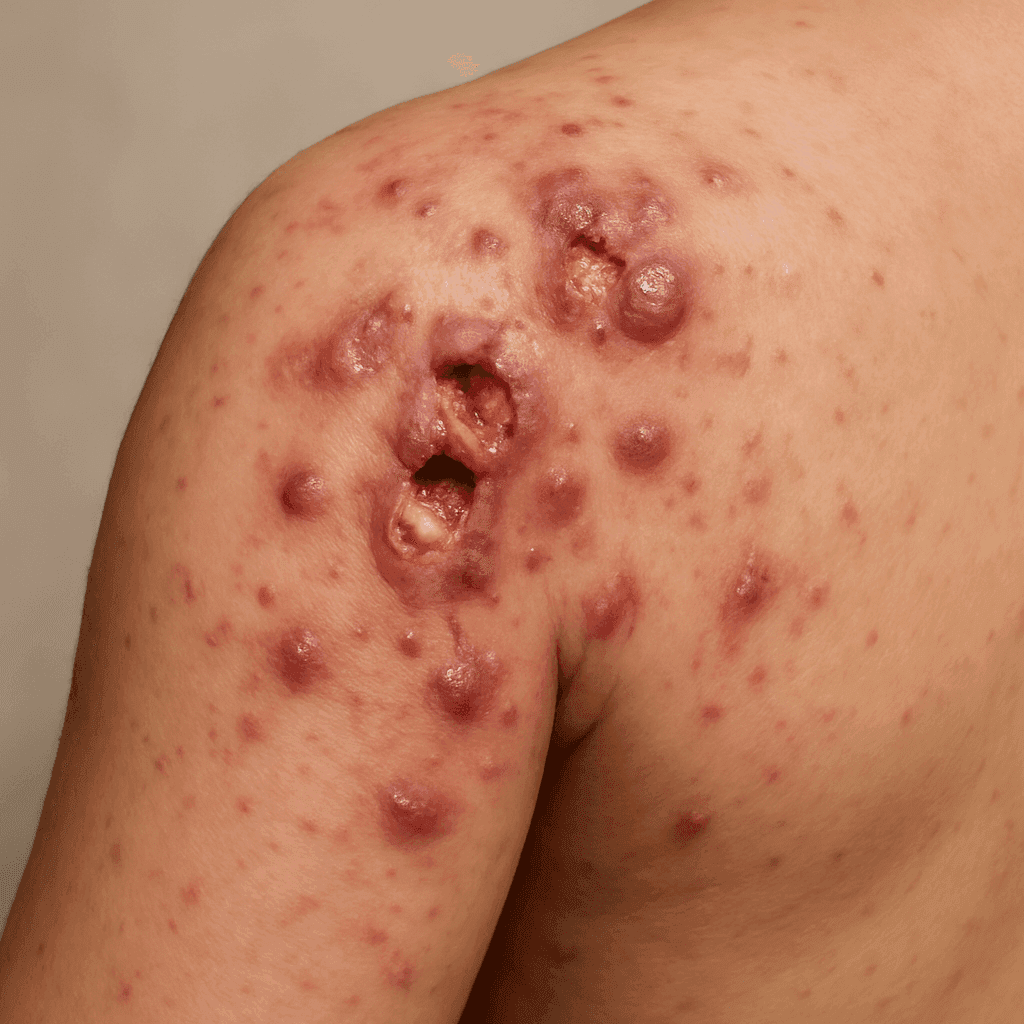
Understanding and Managing Hidradenitis Suppurativa
Comprehensive guide on hidradenitis suppurativa.
Introduction
Hidradenitis suppurativa (HS), also known as acne inversa, is a chronic inflammatory skin condition characterized by painful lumps under the skin, often in areas where skin rubs together. This condition can significantly impact an individual's quality of life, making understanding and management crucial. Increasing awareness of HS helps in early detection and more effective management.
Importance of Understanding the Condition
Awareness of HS is vital for those affected and their caregivers. Understanding its symptoms, potential causes, and treatment options can help in reducing the stigma associated with the condition and encourage patients to seek medical advice sooner.
What is Hidradenitis Suppurativa?
Hidradenitis suppurativa is a painful, long-term skin condition causing abscesses and scarring on the skin. It often occurs in areas like the armpits, groin, buttocks, and under the breasts. Historically, it was often misdiagnosed due to its resemblance to other skin conditions, which delayed effective treatment.
Historical Perspective
HS was first described in the 19th century, but understanding of its causes and treatments has evolved significantly. Initially thought to be an infectious disease, it is now recognized as a chronic inflammatory condition with a complex interplay of genetic, hormonal, and environmental factors.
Causes and Risk Factors
The exact cause of HS is unknown, but several factors are believed to contribute to its development.
Genetic Factors
There is evidence suggesting a genetic component, as HS can run in families. Specific genes may predispose individuals to develop the condition, although the precise genetic links are still being studied.
Hormonal Influences
Hormones are thought to play a role, as HS often starts after puberty and can worsen during certain times of the menstrual cycle. Hormonal imbalances may trigger or exacerbate symptoms.
Lifestyle and Environmental Factors
Smoking and obesity are significant risk factors. These lifestyle factors can exacerbate symptoms and increase the likelihood of flare-ups. Managing weight and quitting smoking can help reduce symptoms and improve overall health.
Symptoms and Stages
HS symptoms vary but often include painful lumps, abscesses, and scarring. Recognizing these symptoms early can lead to better management and outcomes.
Common Symptoms
Symptoms include:
- Painful lumps or nodules
- Abscesses that may leak fluid
- Scarring and tunneling under the skin
Hurley Stages of Hidradenitis Suppurativa
HS is classified into three stages, known as Hurley stages:
- Stage I: Single or multiple abscesses without scarring or sinus tracts.
- Stage II: Recurrent abscesses with sinus tracts and scarring.
- Stage III: Diffuse or near-diffuse involvement with interconnected sinus tracts and extensive scarring.
Diagnosis
Diagnosing HS involves a thorough clinical evaluation by a healthcare provider.
Diagnostic Criteria
Typically, diagnosis is based on clinical examination and history of symptoms. Doctors look for characteristic features such as lesions in typical areas and chronicity.
Tests and Examinations
While no specific test confirms HS, doctors may use imaging to assess the extent of the disease and rule out other conditions. Biopsies are rarely needed but may be used if the diagnosis is uncertain.
Treatment Options
Treatment for HS aims to manage symptoms and prevent complications.
Medical Treatments
- Antibiotics and Anti-inflammatory Drugs: Often used to reduce inflammation and prevent infection.
- Biologic Therapies: These target specific parts of the immune system and can be effective for severe cases.
Surgical Interventions
Surgery may be necessary for severe cases or when abscesses do not respond to medical treatment. Options include:
- Incision and drainage
- Unroofing of sinus tracts
- Excision of affected tissue
Lifestyle and Home Remedies
Simple lifestyle changes can help manage HS. Maintaining a healthy weight, quitting smoking, and wearing loose-fitting clothing can alleviate symptoms.
Diet and Lifestyle Changes
Diet and lifestyle play a crucial role in managing HS.
Recommended Dietary Adjustments
Some studies suggest that a diet low in dairy and sugar may help reduce flare-ups. Anti-inflammatory foods, such as those rich in omega-3 fatty acids, can also be beneficial.
Importance of Weight Management
Obesity is a known risk factor for HS. Maintaining a healthy weight can reduce the severity and frequency of symptoms.
Stress Reduction Techniques
Stress is linked to flare-ups. Techniques like yoga, meditation, and regular exercise can help manage stress levels and improve overall well-being.
Living with Hidradenitis Suppurativa
Managing daily life with HS involves addressing both physical and emotional aspects.
Daily Management Tips
- Keep the affected areas clean and dry.
- Use antiseptic washes to reduce bacterial load.
- Wear loose-fitting, breathable clothing to minimize irritation.
Coping with Pain and Discomfort
Over-the-counter pain relievers and warm compresses can help alleviate pain. It's important to follow a healthcare provider's advice for managing pain effectively.
Emotional and Mental Health Considerations
Living with a chronic condition like HS can take a toll on mental health. Seeking support from mental health professionals or joining support groups can provide emotional relief and coping strategies.
Preventing Flare-Ups
Preventing flare-ups involves identifying triggers and adopting a suitable skincare routine.
Identifying and Avoiding Triggers
Common triggers include stress, heat, and friction. Keeping a diary of flare-ups can help identify patterns and potential triggers.
Skincare Routine for Sensitive Skin
Use gentle, unscented skincare products. Regular moisturizing can help maintain skin barrier function and reduce irritation.
Hidradenitis Suppurativa vs. Other Skin Conditions
HS can be confused with other skin conditions, but there are distinct differences.
Differentiating from Acne and Boils
Unlike acne, HS occurs in areas where skin rubs together and involves deeper skin structures. Boils are usually isolated events, whereas HS is chronic and recurrent.
Similarities and Differences
Both acne and HS involve inflammation, but HS has a more significant impact due to its chronic nature and potential for scarring.
FAQs
What are the early signs of hidradenitis suppurativa?
Early signs include small, painful lumps under the skin, often in areas where skin rubs together.
How is hidradenitis suppurativa diagnosed?
Diagnosis is typically made through clinical examination and patient history by a healthcare provider.
Can hidradenitis suppurativa be cured?
While there is no cure, treatments are available to manage symptoms and improve quality of life.
What lifestyle changes can help manage hidradenitis suppurativa?
Weight management, stress reduction, and avoiding smoking can help manage HS.
Is hidradenitis suppurativa contagious?
No, HS is not contagious. It is a chronic inflammatory condition.
Are there any support groups for people with hidradenitis suppurativa?
Yes, there are support groups available both online and in person to help individuals share experiences and coping strategies.