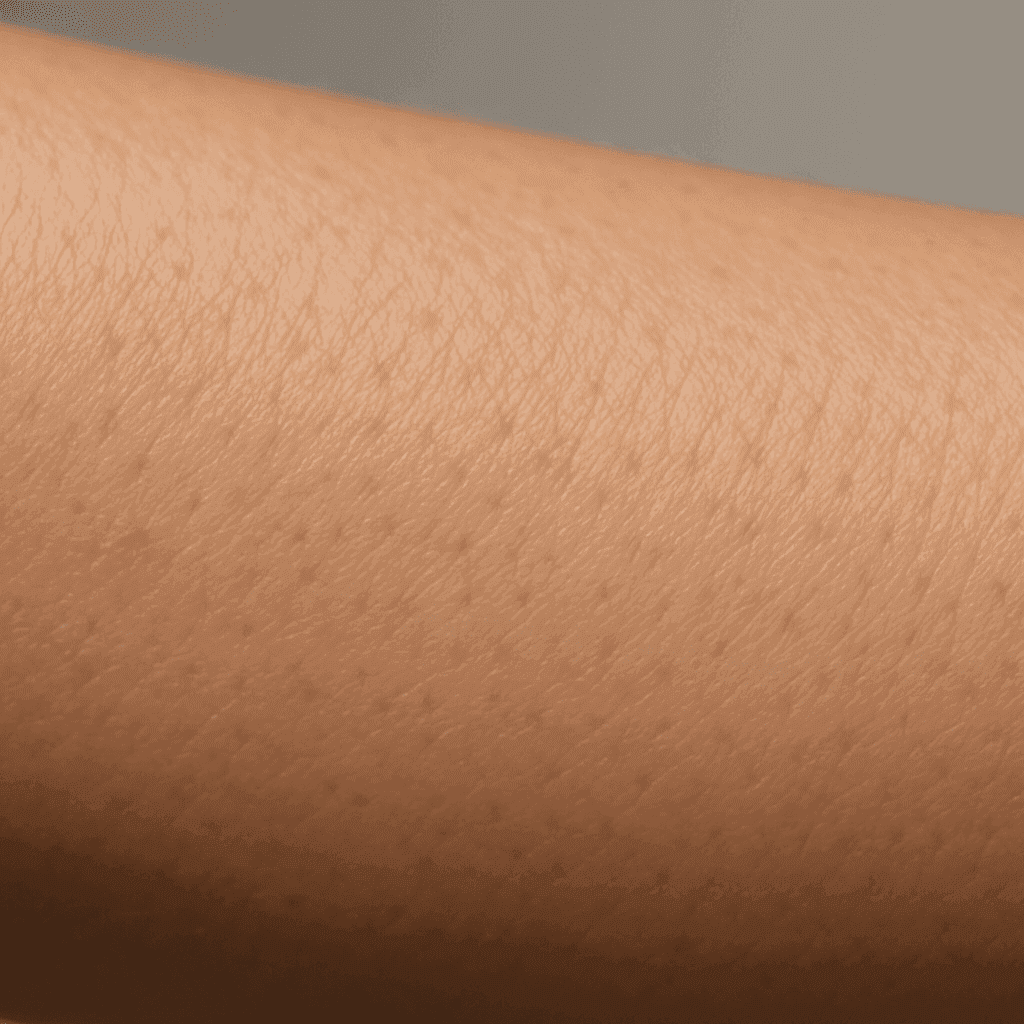
Understanding Dermatofibroma: Causes, Symptoms, and Treatments
Comprehensive guide to dermatofibroma.
Introduction
Dermatofibroma is a common type of benign fibrous skin tumor that affects many individuals worldwide. Although typically harmless, understanding its characteristics, causes, and available treatments is crucial for proper management. These skin lesions are often mistaken for more serious conditions, so accurate information is vital.
The importance of understanding dermatofibroma lies in distinguishing it from other potentially harmful skin conditions, such as melanoma. By learning about its symptoms, causes, and treatment options, individuals can make informed decisions about their skin health.
What is a Dermatofibroma?
A dermatofibroma is a benign skin lesion that appears as a small, firm bump on the skin. It is often brownish or tan and can vary in size, usually ranging from 0.5 to 1 cm in diameter. These lesions are typically painless but can become itchy or tender if irritated.
Common Locations on the Body
Dermatofibromas most commonly occur on the lower legs, but they can develop anywhere on the body, including the arms and torso. They are frequently found in women more than men and may appear as single or multiple lesions.
Causes and Risk Factors
The exact cause of dermatofibromas is not fully understood. However, they are believed to form as a reaction to minor skin injuries, such as insect bites or trauma. This response leads to the overgrowth of fibrous tissue under the skin.
Who is at Risk?
Certain factors may increase the likelihood of developing a dermatofibroma. These include being female, having a history of frequent skin trauma, or possessing a genetic predisposition. While they can occur at any age, dermatofibromas are more common in adults than in children.
Symptoms and Diagnosis
Recognizing the symptoms of dermatofibroma is crucial for distinguishing it from other skin conditions. These lesions are characterized by their firm texture, brownish color, and dimpled appearance when pinched.
Diagnostic Procedures
Physical Examination
A dermatologist can often diagnose a dermatofibroma through a physical examination. The characteristic dimple sign—a central dimple when the surrounding skin is squeezed—can be a helpful diagnostic feature.
Biopsy
In uncertain cases, a biopsy may be performed to confirm the diagnosis. This involves removing a small sample of tissue from the lesion and examining it under a microscope. The biopsy helps differentiate dermatofibromas from malignant skin conditions.
Treatment Options
Treatment for dermatofibroma is typically not necessary unless the lesion causes discomfort or cosmetic concerns.
Medical Treatments
Surgical Removal
Surgical excision is the most definitive treatment. It involves removing the lesion entirely, which can prevent recurrence but may result in scarring.
Cryotherapy
Cryotherapy is an alternative where the lesion is frozen with liquid nitrogen, causing it to shrink over time.
Home Remedies and Natural Approaches
For those seeking non-invasive options, maintaining healthy skin through proper hydration and protecting the skin from trauma can help manage symptoms. However, these methods do not remove the lesion.
Dermatofibroma vs. Other Skin Conditions
Differentiating dermatofibroma from other skin conditions is essential, especially when considering potential malignancies.
Differentiating from Melanoma
Unlike dermatofibromas, melanomas are cancerous and may have irregular borders, multiple colors, and change in size over time. It is crucial to seek medical evaluation for any suspicious skin changes.
Other Similar Conditions
Other conditions that may resemble dermatofibromas include keloids, lipomas, and warts. A dermatologist can help distinguish these conditions through clinical examination and, if necessary, further testing.
Living with Dermatofibroma
While dermatofibromas are benign, managing symptoms and preventing recurrence can improve quality of life.
Managing Symptoms
To alleviate itching or irritation, over-the-counter creams and antihistamines may provide relief. Avoiding trauma to the lesion can also minimize discomfort.
Preventing Recurrence
Although recurrence is uncommon, practicing good skin care and avoiding unnecessary trauma to the skin can help reduce the risk of new lesions forming.
Frequently Asked Questions (FAQ)
-
Can dermatofibromas turn into cancer?
Dermatofibromas are benign and do not turn into cancer. -
Is it necessary to remove a dermatofibroma?
Removal is not necessary unless it causes discomfort or cosmetic concerns. -
How can I tell if a dermatofibroma is infected?
Signs of infection include increased redness, swelling, pain, or pus. -
Are there any effective home remedies for dermatofibroma?
While home remedies can relieve symptoms, they do not remove the lesion. -
What is the recovery time after dermatofibroma removal?
Recovery time varies but typically involves several weeks for complete healing. -
Can dermatofibromas reappear after removal?
Recurrence is rare if the lesion is fully excised.