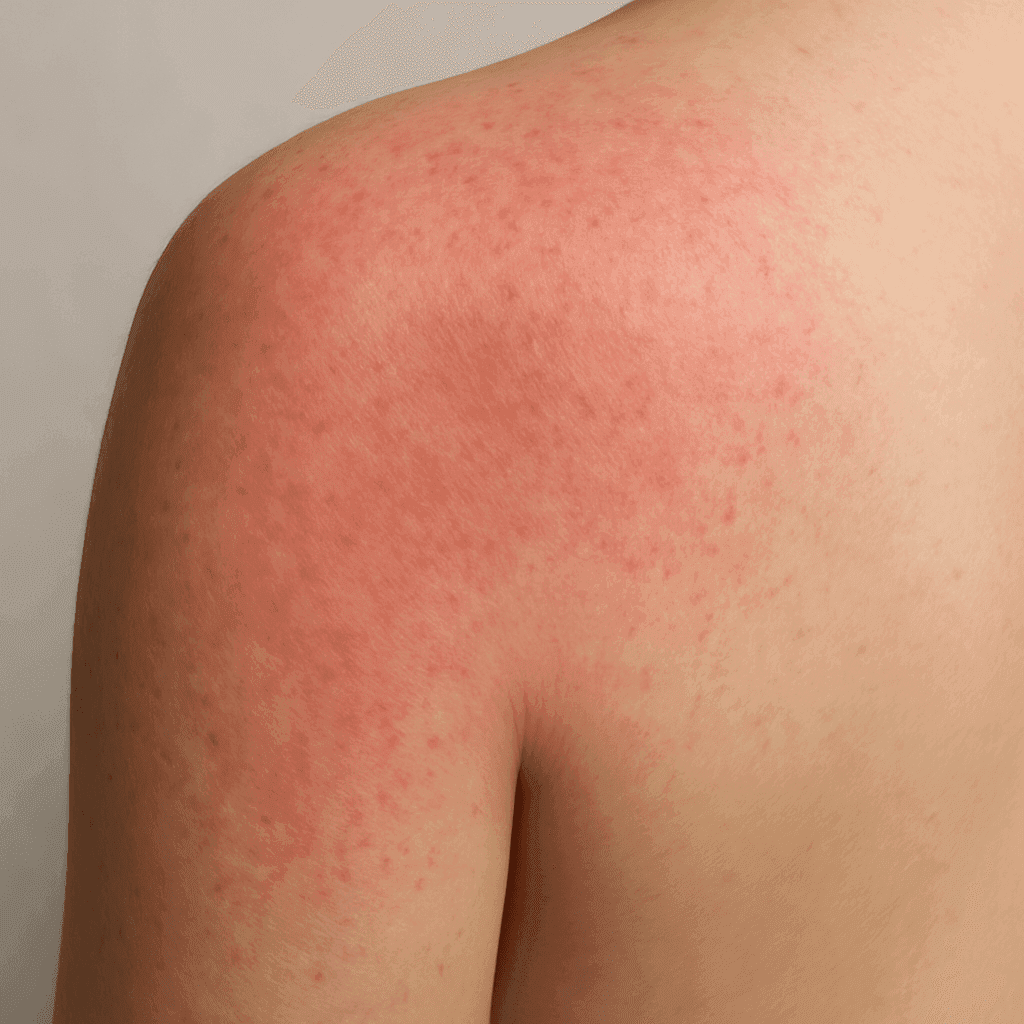
Understanding Red Cheeks: Dermatological and Other Causes
Explore the causes and treatments for red cheeks.
Introduction
Red cheeks are a common dermatological concern that many people experience at various points in their lives. While they can often be attributed to simple blushing or temporary flushing, persistent redness may indicate an underlying condition. Understanding the potential causes is crucial for effective management and treatment. This article delves into the dermatological, medical, and lifestyle factors that can contribute to red cheeks, aiming to inform and guide readers towards appropriate care options.
Common Dermatological Causes of Red Cheeks
Rosacea
Rosacea is a chronic skin condition that primarily affects the face, causing redness and visible blood vessels. It can also produce small, pus-filled bumps. Though the exact cause is unknown, factors such as hot drinks, spicy foods, and stress can exacerbate symptoms. Managing rosacea often involves lifestyle adjustments and topical treatments prescribed by a dermatologist.
Eczema
Eczema, or atopic dermatitis, can affect facial skin, leading to redness, itching, and inflammation. It often flares up due to environmental factors like harsh weather or allergens. Treatment typically includes moisturizing creams and, in more severe cases, corticosteroids.
Psoriasis
Psoriasis on the face is less common but can manifest as red, scaly patches. It is an autoimmune condition that accelerates skin cell growth, leading to thickened patches. Treatment may involve topical corticosteroids, vitamin D analogs, or other medications as recommended by a healthcare provider.
Other Medical Causes of Red Cheeks
Allergic Reactions
Allergic reactions can cause facial redness due to contact with irritants or allergens. Common culprits include certain skincare products, pollen, or pet dander. Management involves identifying and avoiding triggers, as well as using antihistamines for relief.
Sunburn
Sunburn from excessive UV exposure can lead to temporary redness and discomfort. Protecting the skin with sunscreen and wearing protective clothing can prevent sunburn. Immediate treatment includes cool compresses and aloe vera gel for soothing relief.
Acne
Acne can contribute to facial redness through inflammation and irritation. This skin condition is common in teenagers but can affect adults as well. Effective treatments include benzoyl peroxide, salicylic acid, and retinoids, with more severe cases requiring professional consultation.
Lifestyle and Environmental Factors
Alcohol Consumption
Alcohol is known to cause facial flushing due to its vasodilatory effects, which expand blood vessels and increase blood flow to the skin. Reducing intake or opting for non-alcoholic beverages can help manage this effect.
Temperature Changes
Exposure to extreme temperatures can cause temporary cheek redness. Cold weather can dry out the skin, while heat can increase blood flow to the surface. Protective measures include wearing suitable clothing and using moisturizers to maintain skin hydration.
Stress and Emotional Triggers
Stress and emotions can lead to facial redness through the release of stress hormones, which increase blood flow. Techniques such as deep breathing, meditation, and regular exercise can help manage stress levels, reducing the incidence of stress-induced redness.
Hormonal and Systemic Causes
Hormonal Changes
Hormonal fluctuations during puberty, menstruation, or menopause can cause increased blood flow to the cheeks, resulting in redness. Managing these changes involves monitoring symptoms and, if necessary, consulting with a healthcare provider for hormone regulation options.
Blood Pressure and Circulation
High blood pressure or hypertension can cause persistent facial redness due to increased blood circulation. Regular monitoring and lifestyle adjustments, such as diet and exercise, are essential for managing blood pressure effectively.
Treatment and Prevention Strategies
Topical Treatments
Various creams and ointments can help manage facial redness. Options range from over-the-counter moisturizers to prescription medications like metronidazole or azelaic acid. Consulting a dermatologist is advisable to determine the most suitable treatment.
Lifestyle Modifications
A balanced diet rich in antioxidants and staying well-hydrated can improve skin health. Gentle skincare routines that include hypoallergenic products can prevent irritation and maintain skin barrier function.
Medical Interventions
In cases where redness persists despite over-the-counter treatments, seeking professional help is crucial. Potential interventions include laser therapy, which targets blood vessels and reduces redness.
FAQs
What are the most common causes of red cheeks?
Common causes include rosacea, eczema, and psoriasis, as well as lifestyle factors such as alcohol consumption and stress.
Can red cheeks be a sign of a serious medical condition?
While often benign, persistent redness could indicate conditions like rosacea or hypertension. It's important to consult a healthcare provider for an accurate diagnosis.
How can I reduce redness in my cheeks naturally?
Natural methods include staying hydrated, managing stress, and avoiding known triggers such as certain foods or environmental factors.
Are there specific foods that can cause red cheeks?
Spicy foods and alcohol are known to trigger facial redness in some individuals.
Is it possible to prevent red cheeks completely?
While complete prevention may not be possible, identifying and avoiding personal triggers can significantly reduce occurrences.
When should I see a dermatologist for red cheeks?
If redness is persistent, painful, or accompanied by other symptoms, seeking professional advice is recommended.