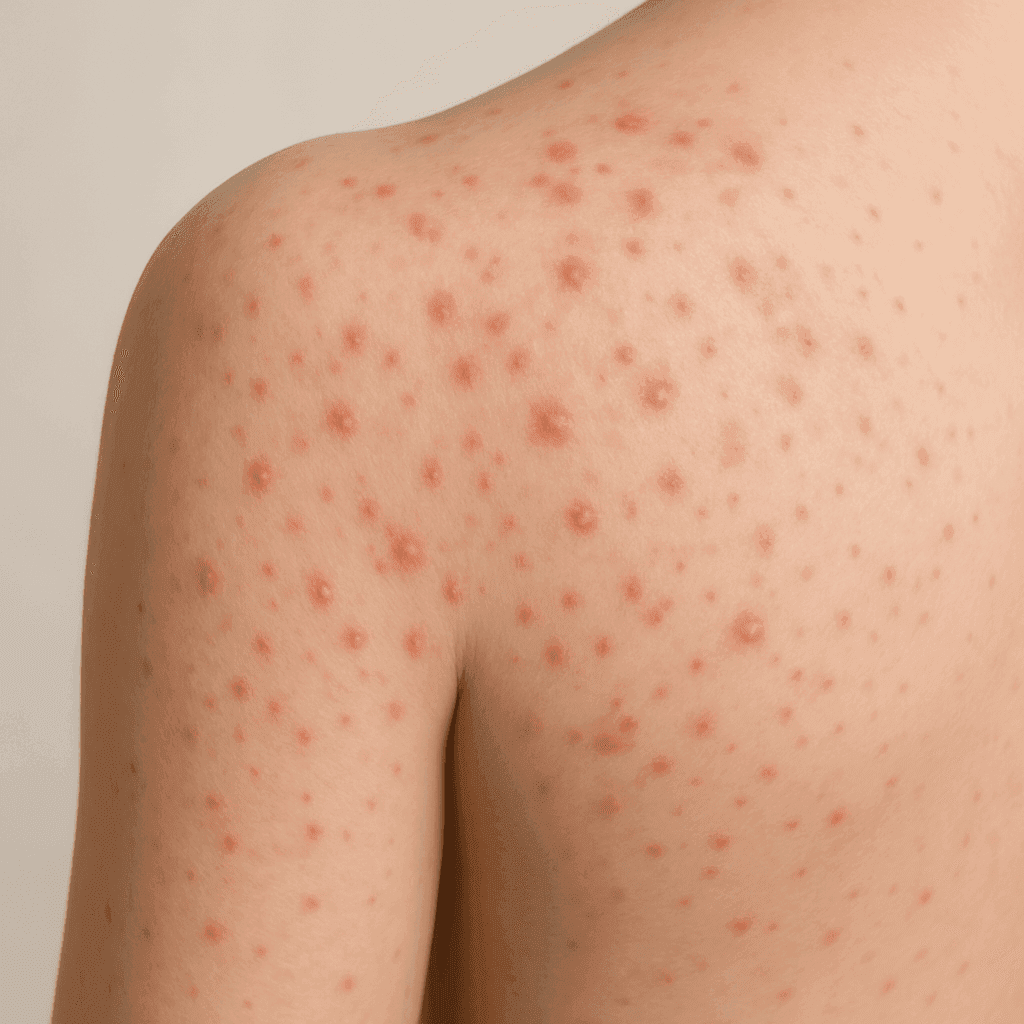
Viral Rash: How to Differentiate from Skin Allergies
Distinguish viral rashes from skin allergies.
Introduction
Skin rashes are a common concern, affecting people of all ages. Understanding the cause of a rash is crucial for effective treatment and prevention. Viral rashes and skin allergies are two prevalent types, each with distinct characteristics. This article aims to help you distinguish between these rashes, focusing on symptoms, causes, and treatment options.
Understanding Viral Rashes
What is a Viral Rash?
A viral rash is a skin reaction caused by a viral infection. These rashes often appear as red spots or bumps on the skin and can vary in severity. Common viruses that cause rashes include measles, chickenpox, and roseola. Viral rashes typically occur alongside other symptoms such as fever or malaise.
Common Types of Viral Rashes
Some viral rashes present distinct patterns. For instance, measles produces a blotchy, red rash that spreads from the face downward. Chickenpox is characterized by itchy blisters, while roseola causes a sudden high fever followed by a pink rash.
Symptoms of Viral Rashes
Viral rashes often begin with flu-like symptoms, including fever, fatigue, and sore throat. The rash may be itchy, and its appearance can range from flat spots to raised bumps. Identifying the rash's accompanying symptoms can help determine its viral nature.
Understanding Skin Allergies
What is a Skin Allergy?
A skin allergy occurs when the immune system reacts to a substance, known as an allergen, that is typically harmless. This reaction can cause inflammation and various skin changes. Common triggers include certain foods, pollen, pet dander, and specific chemicals.
Common Types of Skin Allergies
Skin allergies manifest in several forms, including contact dermatitis, eczema, and hives. Contact dermatitis results from direct contact with an allergen and appears as red, itchy patches. Eczema is a chronic condition leading to dry, scaly skin, while hives are raised, itchy welts that can appear suddenly.
Symptoms of Skin Allergies
Allergic skin reactions commonly cause itching, redness, and swelling. Unlike viral rashes, skin allergies are often localized to the area of contact. Symptoms might also include a burning sensation or blister formation, depending on the severity of the reaction.
Key Differences Between Viral Rashes and Skin Allergies
Visual Differences
Viral rashes and skin allergies can often be distinguished by their appearance. Viral rashes are usually more widespread and may be accompanied by systemic symptoms like fever. In contrast, skin allergies often present as localized, itchy patches.
Symptom Duration and Onset
Viral rashes tend to appear after an initial phase of other symptoms like fever or cough and can last several days to weeks. Skin allergies, however, can emerge rapidly after exposure to an allergen and persist as long as the exposure continues.
Associated Symptoms
Viral rashes often come with systemic symptoms such as fever, headache, or fatigue, indicating a viral infection. Skin allergies are primarily associated with itching and local irritation, with systemic symptoms being less common.
Diagnosis and Treatment
Diagnosing a Rash
If you notice a persistent or severe rash, it's important to consult a healthcare provider. Diagnosis may involve a physical examination, history of symptoms, and sometimes lab tests to confirm the cause. Online consultations can offer initial guidance, but a visit to a dermatologist is often necessary for proper diagnosis.
Treatment Options for Viral Rashes
Viral rashes typically resolve on their own as the body fights off the infection. Symptomatic treatment includes antipyretics for fever and antihistamines for itching. In some cases, antiviral medications may be prescribed to shorten the duration of the illness.
Treatment Options for Skin Allergies
Managing skin allergies involves identifying and avoiding the triggering allergen. Topical treatments like corticosteroids can reduce inflammation, while oral antihistamines can alleviate itching. For chronic conditions like eczema, long-term management strategies may be necessary.
Prevention and Management
Preventing Viral Infections
Good hygiene practices, such as regular handwashing and avoiding contact with infected individuals, can reduce the risk of viral infections. Vaccinations for diseases like measles and chickenpox are effective preventive measures.
Managing Skin Allergies
To manage skin allergies, it's essential to identify specific allergens and minimize exposure. Keeping a symptom diary can help track potential triggers. Using hypoallergenic products and maintaining a skincare routine can also help prevent allergic reactions.
Conclusion
Understanding the differences between viral rashes and skin allergies is crucial for effective management and treatment. While both conditions may present similarly, their causes, symptoms, and treatments vary significantly. Consulting a healthcare professional for an accurate diagnosis and tailored treatment plan is always recommended.
Frequently Asked Questions (FAQ)
How can I tell if my rash is viral or allergic?
Viral rashes often accompany systemic symptoms like fever, while allergic rashes are predominantly itchy and localized.
What should I do if a rash is accompanied by a fever?
Seek medical advice to determine if the rash is part of a viral infection. Fever indicates a systemic issue that requires attention.
Are viral rashes contagious?
Yes, many viral rashes are contagious, especially those caused by viruses like measles or chickenpox.
Can stress cause a skin rash?
Yes, stress can exacerbate skin conditions like eczema or hives, though it is not a direct cause of rashes.
When is it necessary to consult a dermatologist for a rash?
If a rash is persistent, severe, or accompanied by systemic symptoms, a dermatologist consultation is advised.
Can a viral rash lead to complications?
Most viral rashes are self-limiting, but complications can occur, particularly in individuals with weakened immune systems.