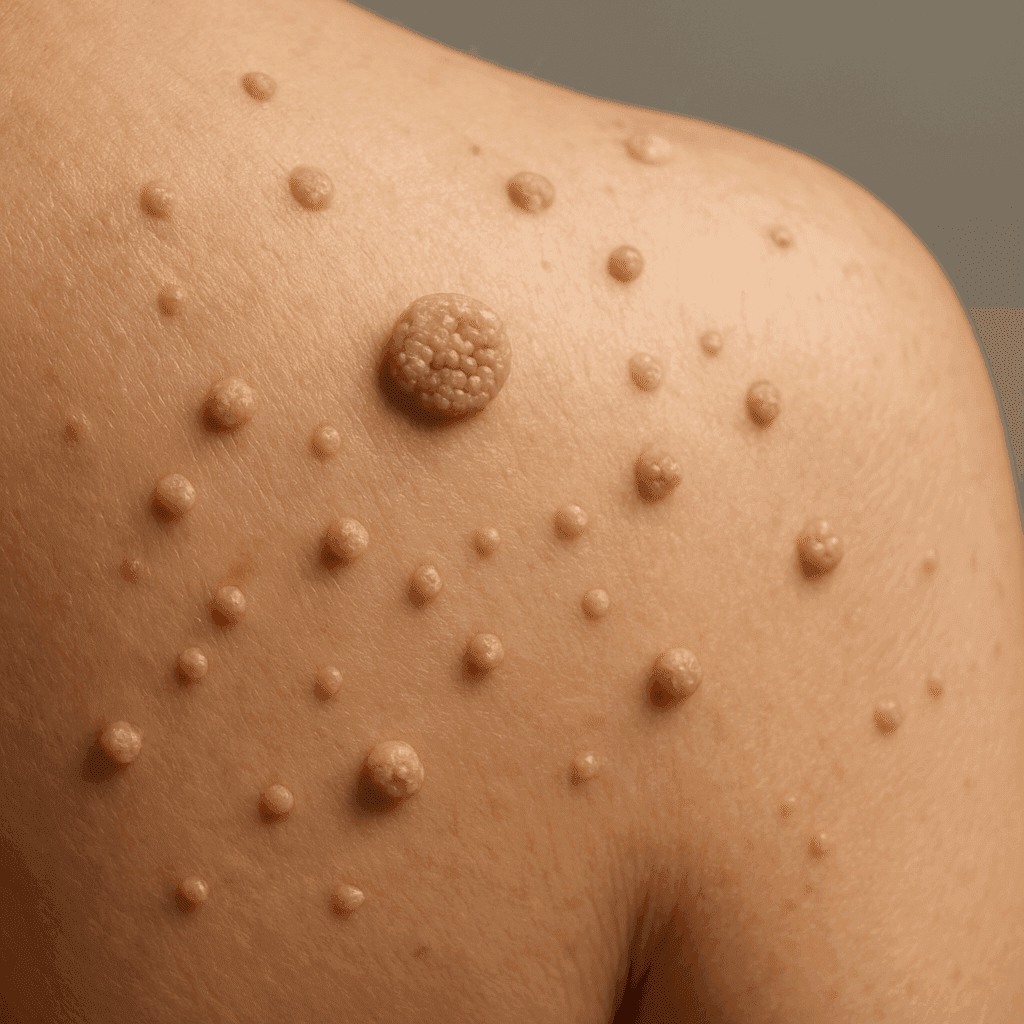
Viral Warts – Types and Treatment
Understanding viral warts and their treatment options.
Introduction
Viral warts are a common dermatological condition caused by the human papillomavirus (HPV). They can manifest in various forms and affect different parts of the body. Understanding the types, symptoms, and treatment options for viral warts is crucial in managing and preventing their spread. This article provides an in-depth look at viral warts and discusses the significance of consulting healthcare professionals for proper diagnosis and treatment.
What Are Viral Warts?
Viral warts are benign skin growths resulting from an infection with the human papillomavirus (HPV). This virus has numerous strains, each capable of causing different types of warts. HPV primarily spreads through direct contact with an infected person or surface. While warts can appear on any part of the body, common sites include the hands, feet, face, and genital area. Understanding the role of HPV in wart formation helps in both prevention and treatment.
Types of Viral Warts
Common Warts
These warts often appear on fingers and hands, characterized by a rough, raised surface. They are usually harmless but can be aesthetically displeasing.
Plantar Warts
Located on the soles of the feet, plantar warts can be painful due to their pressure points. They may appear as thickened skin resembling calluses.
Flat Warts
Smooth, flat-topped, and smaller than other types, flat warts often occur on the face, thighs, or arms. They are more common in children and teenagers.
Genital Warts
These are sexually transmitted and appear in the genital and anal areas. Genital warts require medical attention due to their association with certain HPV strains that can lead to cancer.
Filiform and Periungual Warts
Filiform warts have a thread-like appearance and often grow around the mouth or nose, while periungual warts appear around fingernails and toenails, potentially causing nail damage.
Symptoms and Diagnosis
Identifying the type of wart is essential for effective treatment. While most warts are harmless, some may resemble other skin conditions that require different interventions. Dermatologists can provide accurate diagnosis through physical examination or biopsy if needed. It is advisable to seek professional evaluation for warts that change in appearance, bleed, or cause pain.
Treatment Options
Medical Treatments
Over-the-Counter Solutions
Salicylic acid preparations are commonly used to treat warts by peeling away the infected skin. These are available without a prescription and are effective for many types of warts.
Prescription Medications
For persistent warts, dermatologists may prescribe stronger treatments like retinoids or immunotherapy agents.
Cryotherapy
This involves freezing the wart with liquid nitrogen, leading to its eventual removal. Cryotherapy is a popular choice for both common and plantar warts.
Laser Treatment and Surgical Removal
Laser treatment uses focused light to destroy wart tissue, while surgical removal involves cutting away the wart. Both methods are typically reserved for stubborn warts that do not respond to other treatments.
Home Remedies
Natural remedies such as duct tape occlusion, apple cider vinegar, and tea tree oil are popular among those seeking alternative treatments. However, these should be used with caution and ideally under professional guidance, as they may cause skin irritation or other adverse effects.
Prevention of Viral Warts
Preventing the spread of warts involves maintaining good hygiene practices, such as not sharing personal items like towels and shoes, and keeping skin clean and dry. Vaccination against HPV is also recommended for eligible individuals to reduce the risk of genital warts and related cancers.
Complications and When to See a Doctor
Untreated warts can occasionally lead to complications, such as spreading to other body areas or causing discomfort. Recurrence is common, and persistent warts may require repeated treatments. Consulting a dermatologist is crucial when warts are resistant to initial treatments or when they reappear frequently.
Frequently Asked Questions (FAQ)
Can warts go away on their own?
Yes, many warts resolve spontaneously without treatment, especially in children. However, this process can take months to years.
Are viral warts contagious?
Yes, warts are contagious and can spread through direct contact or indirectly via surfaces.
What is the most effective treatment for warts?
Effectiveness varies per individual and wart type. Medical treatments like cryotherapy and salicylic acid are generally effective.
How long do viral warts last?
Warts can last from several months to a few years, depending on the individual's immune response and treatment.
Is it safe to remove warts at home?
While some home treatments are safe, it is advisable to consult a healthcare professional to avoid complications.
Can children get viral warts?
Yes, children are more susceptible due to their developing immune systems.